Tokyo Grid Orders First Solar Curtailment, 1.84 GW Cut — SkimNews
Get the Energy newsletter
Daily energy & climate — solar, EVs, oil, the policy fights and tech bets shaping the transition. Free.
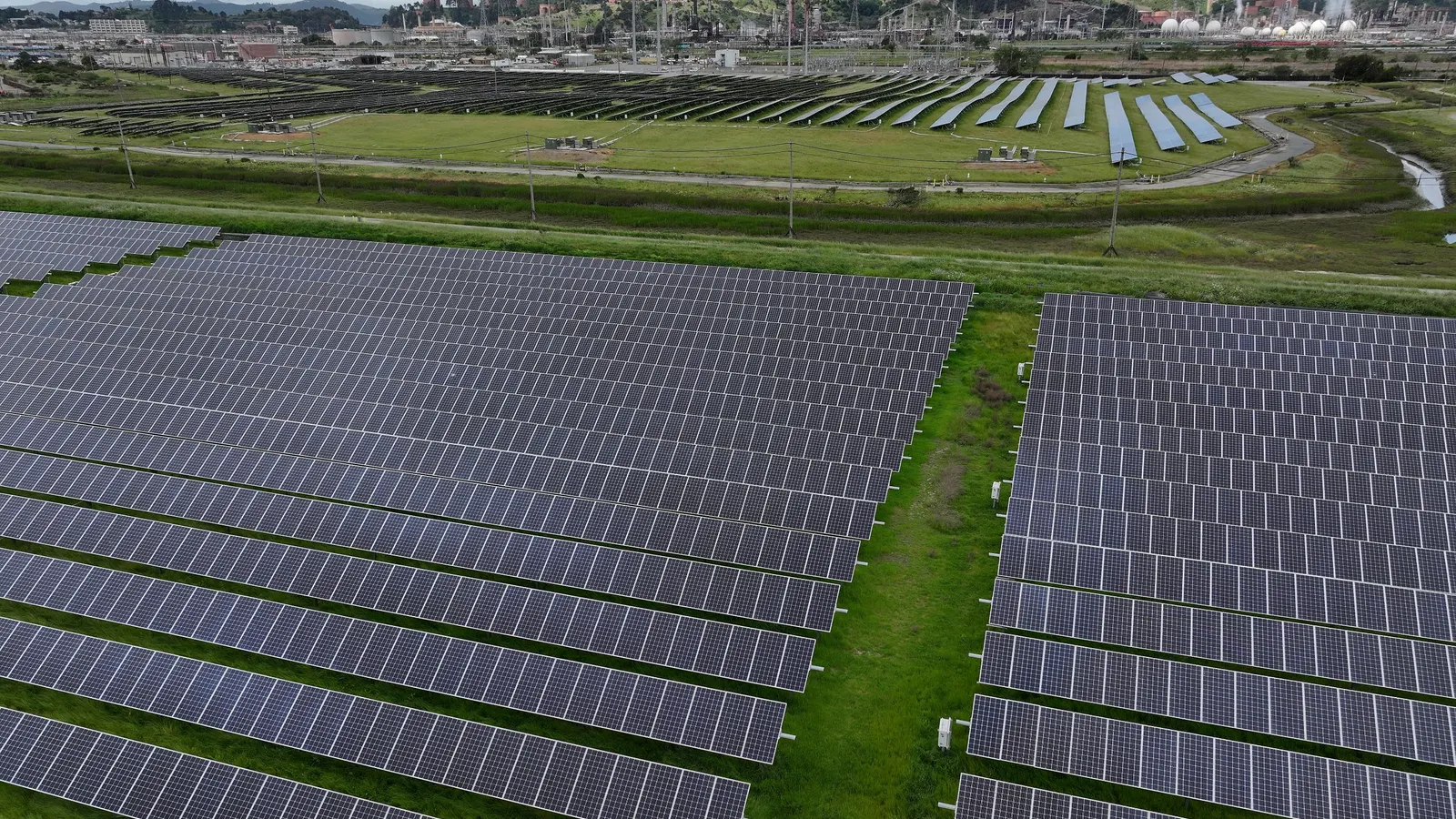
- Tepco Power Grid instructed renewable generators to reduce output on March 1 2026 from 11:00 to 16:00 JST, citing high solar generation, low weekend demand, and zero inter‑regional export capacity, marking its first economic curtailment.
- Michiyo Miyamoto of IEEFA said the curtailment shows renewable deployment has begun to outpace system flexibility in Japan’s largest power market, Tokyo.
- Solar output was cut by up to 1.84 million kW at peak, with actual curtailment occurring on March 8 and March 21, the latter happening with no nuclear generation online.
- Japan’s other TSO areas had already experienced economic curtailment before 2026, spreading from Kyushu to Hokkaido, Tohoku, Kansai, Shikoku, Okinawa, Chubu, and Hokuriku, per Renewable Energy Institute data.
- Battery energy storage systems (BESS) remain too limited to absorb surplus solar, while pumped hydro is heavily utilized and thermal plants cannot be reduced below 30‑50 % of capacity, making curtailment the default balancing mechanism.
- Policy and market design constraints—capped balancing market prices, limited long‑term auction volumes, and non‑firm connection rules—slow progress on expanding storage, transmission, and incentives, according to Miyamoto.
- Japan Energy Hub reported solar and wind curtailment totaled 1.74 TWh in the first half of 2025, a record six‑month period, with multiple areas exceeding METI’s fiscal 2025 forecasts.
Why it matters: Renewable developers lose revenue as curtailment forces them to shut down generation, while grid operators and consumers face higher balancing costs; the event underscores the urgent need for more storage, transmission capacity, and market reforms to accommodate Japan’s rapid solar growth.
Ask SkimNews