US, Israel and Iran agree to a 2-week ceasefire as Trump pulls back on his threats
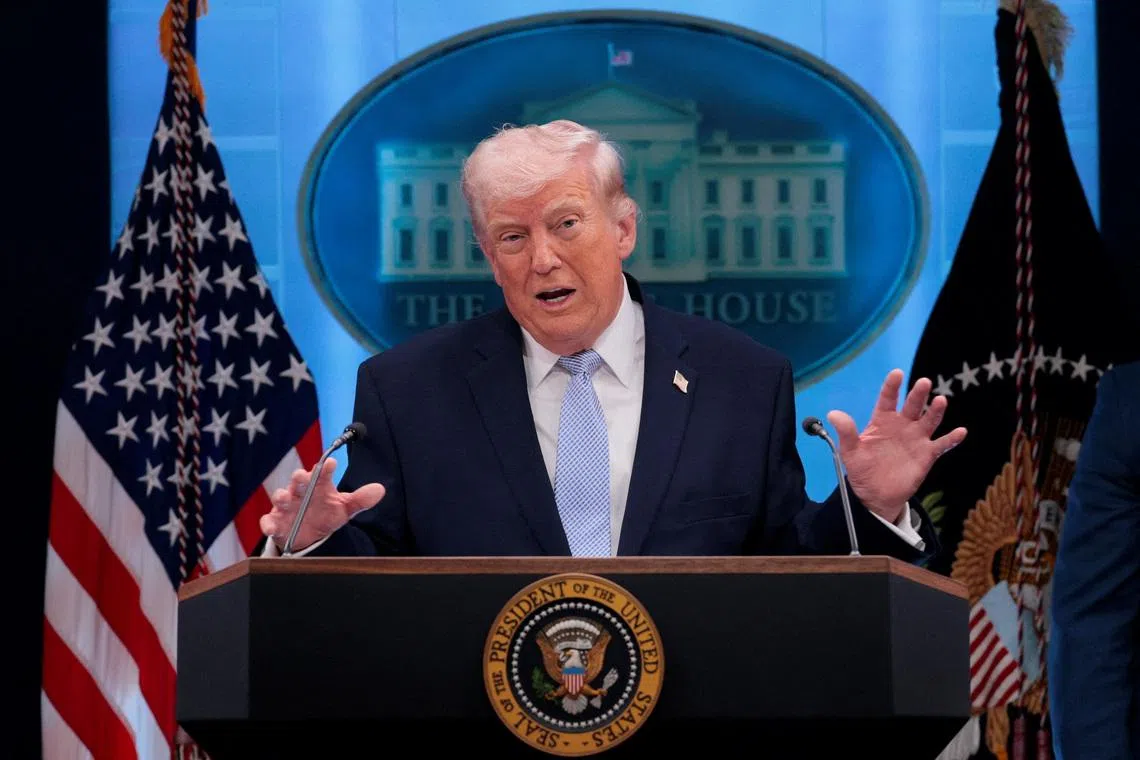
Why it matters: The immediate resumption of attacks and conflicting terms threaten to reignite a war that **President Trump** warned could destroy "a whole civilization."
- Iran, the US, and Israel agreed to a two-week ceasefire, allowing President Trump to retract threats of a bombing campaign against Iran.
- Attacks resumed in Iran and Gulf Arab countries, including an Iranian missile barrage reported by the UAE and drones by Kuwait, immediately jeopardizing the truce.
- Iran claimed the deal formalized its right to charge ships in the Strait of Hormuz, a point not clarified by other parties and raising concerns about the crucial oil transit lane.
- Pakistan and other mediators stated the deal included a pause in fighting in Lebanon, where Israel is engaged in a ground invasion against Hezbollah, but Israel explicitly denied this condition.
- The fate of Iran’s missile and nuclear programs, key US and Israeli war objectives, remained unresolved and unclear under the terms of the ceasefire.
- President Trump initially described a “workable” 10-point plan from Iran but later called a Farsi version, which allowed uranium enrichment, “fraudulent.”
- Pro-government demonstrators in Tehran chanted “Death to America, death to Israel, death to compromisers!” and burned flags, highlighting hard-liner anger despite the ceasefire announcement.
A fragile two-week ceasefire between the US, Israel, and Iran, brokered by Pakistan, has been thrown into immediate doubt as attacks resumed in Iran and Gulf Arab countries, with vastly differing interpretations of the deal's terms emerging from all sides. While the US pulled back from threats of a bombing campaign, the agreement's specifics regarding Iran's nuclear program, control of the Strait of Hormuz, and the conflict in Lebanon remain contentious and unclear.