Beronda Montgomery on Trees as Black History Witnesses — SkimNews
Get the Health newsletter
Daily health & science — research, biotech, public health, the studies worth knowing. Free.
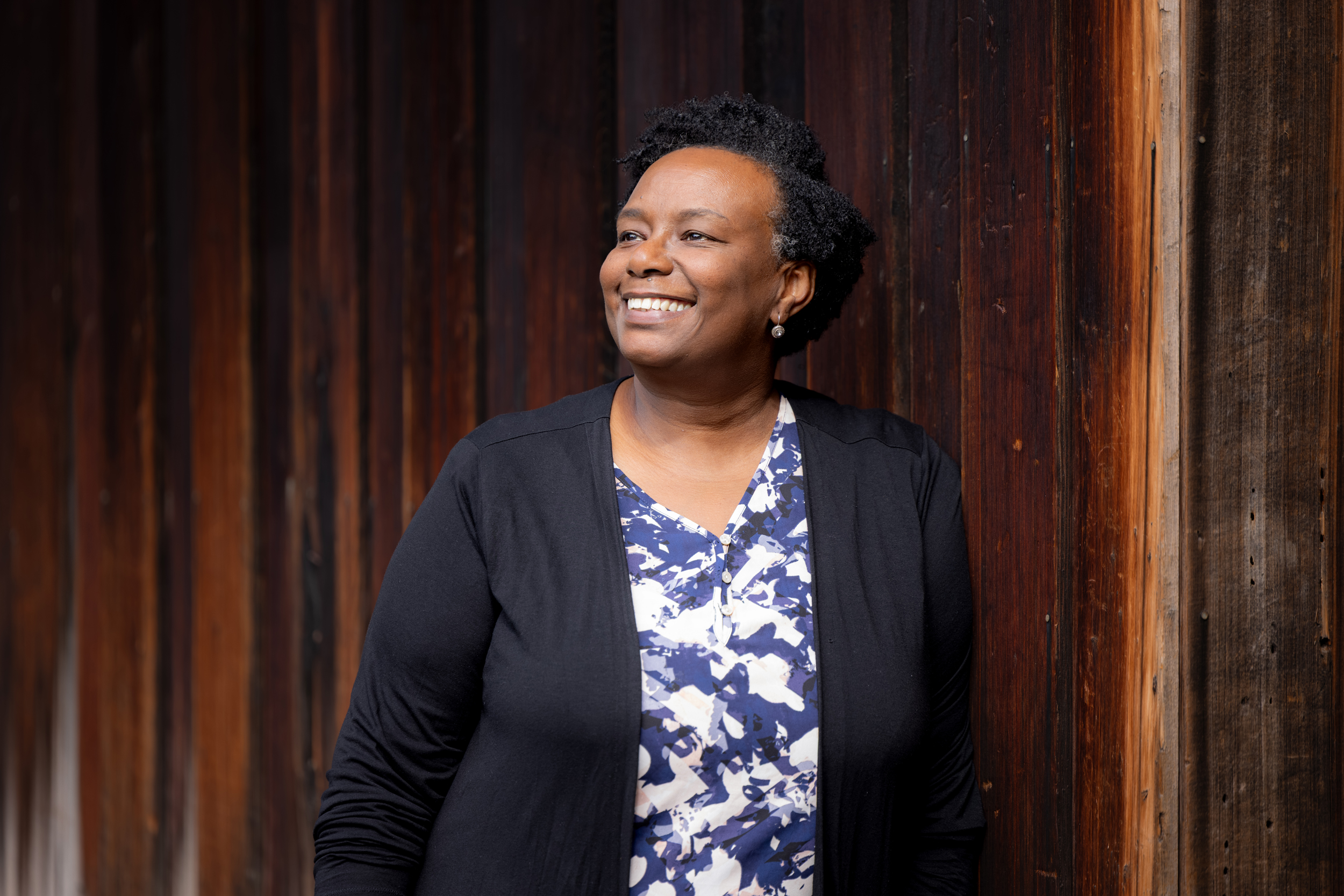
- Beronda Montgomery, a plant biologist, authored "When Trees Testify: Science, Wisdom, History, and America's Black Botanical Legacy," a memoir-botanical history tying African Americans' experience to trees from slavery through emancipation.
- Visiting a former plantation, Montgomery stood beneath a tree estimated at 600 years old — alive when enslaved people worked that land — and realized the carbon in its wood had passed through their breath.
- The book explores "epigenetic memory" in trees, including witness trees at the Equal Justice Initiative whose roots were soaked with blood, and "hanging trees" that may biologically remember the weight of bodies, a possibility Montgomery says science has overlooked.
- Montgomery invokes the concept of trees as material witnesses — a term from historian Tiya Miles — arguing they weren't merely observing history but carrying forward part of the essence of enslaved people's lives.
- Harriet Tubman used sycamores as a "forest compass" to navigate toward freedom, distinctive in bark and typically near water, and later planted hundreds of fruit trees on her New York homestead as a symbol of the freedom she had been denied while enslaved.
- The interview was conducted by Steve Curwood for public radio's "Living on Earth" and republished by Inside Climate News.
Why it matters: Montgomery is a PhD plant scientist making a literal claim, not just a poetic one: that the carbon in long-lived trees on former plantation sites physically contains molecules once breathed by enslaved people, an archive of Black history encoded in the very organisms that anchor ecosystems and fight climate change.
Ask SkimNews