New Orleans residents split over 'point of no return' climate study — SkimNews

Get the Energy newsletter
Daily energy & climate — solar, EVs, oil, the policy fights and tech bets shaping the transition. Free.
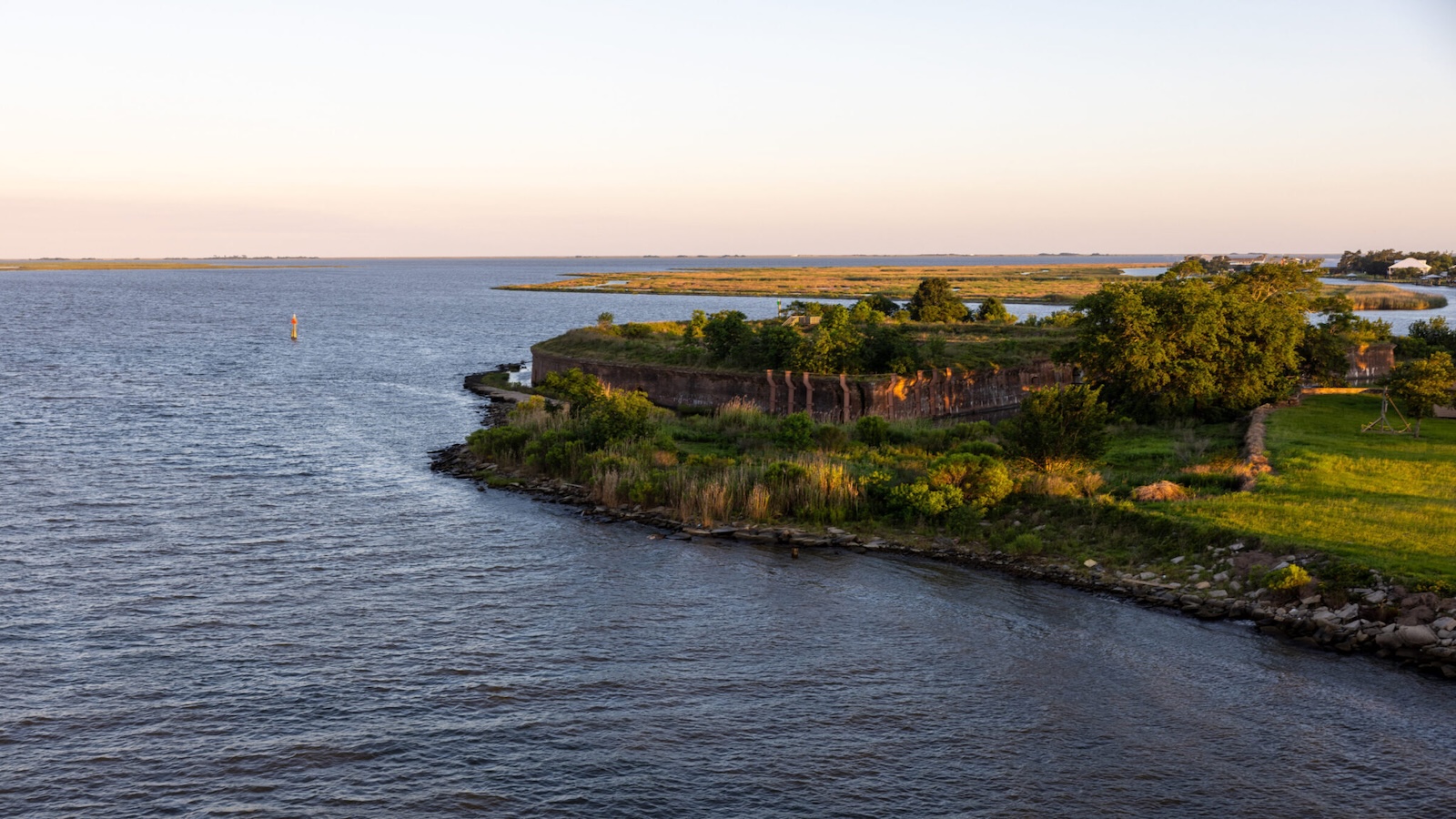
- Tulane University researcher Torbjörn Törnqvist led a May study concluding New Orleans crossed a tipping point of survivability, predicting the Louisiana coastline could move 62 miles (100km) inland over the coming century, gradually turning the city into 'a fortress in the Gulf of Mexico.'
- New Orleans Mayor Helena Moreno dismissed the research as 'more focused on generating publicity and clickbait headlines' than solutions, while Louisiana's coastal restoration chief Gordon Dove called it 'the most ridiculous study I have ever seen,' questioning whether Törnqvist 'knows what he's talking about.'
- Louisiana Governor Jeff Landry cancelled a $3bn sediment-diversion project meant to naturally rebuild the vanishing coastline — a decision Törnqvist describes as a further 'death penalty' for the city.
- A Community Voice, a New Orleans nonprofit with roughly 9,000 members, sent residents to scout Vicksburg and Natchez in neighboring Mississippi — about three hours away — to assess properties that could serve as climate refuge after storms like Hurricane Katrina.
- Property data firm Cotality ranks New Orleans at the maximum hazard-risk score of 100 — about 25 points higher than Natchez and Vicksburg — with chief scientist Howard Botts calling it 'the city with the highest hazard risk in the country.'
- New Orleans has lost population in four of the past five years, now sitting at just over 360,000 residents, with some homeowners seeing annual insurance premiums rise from $900 to about $9,000 over two decades.
Why it matters: New Orleans, which has already received $15bn in federal flood protections since Hurricane Katrina, faces a generational choice between defending a shrinking tax base and planning a managed inland shift — one without a national playbook, made harder by the Trump administration's cuts to climate-relocation programs and Landry's cancellation of a $3bn coastal restoration project.
Ask SkimNews