UK in ‘firewave’ as extreme heat provides ideal conditions for wildfires, experts warn — SkimNews

Get the Energy newsletter
Daily energy & climate — solar, EVs, oil, the policy fights and tech bets shaping the transition. Free.
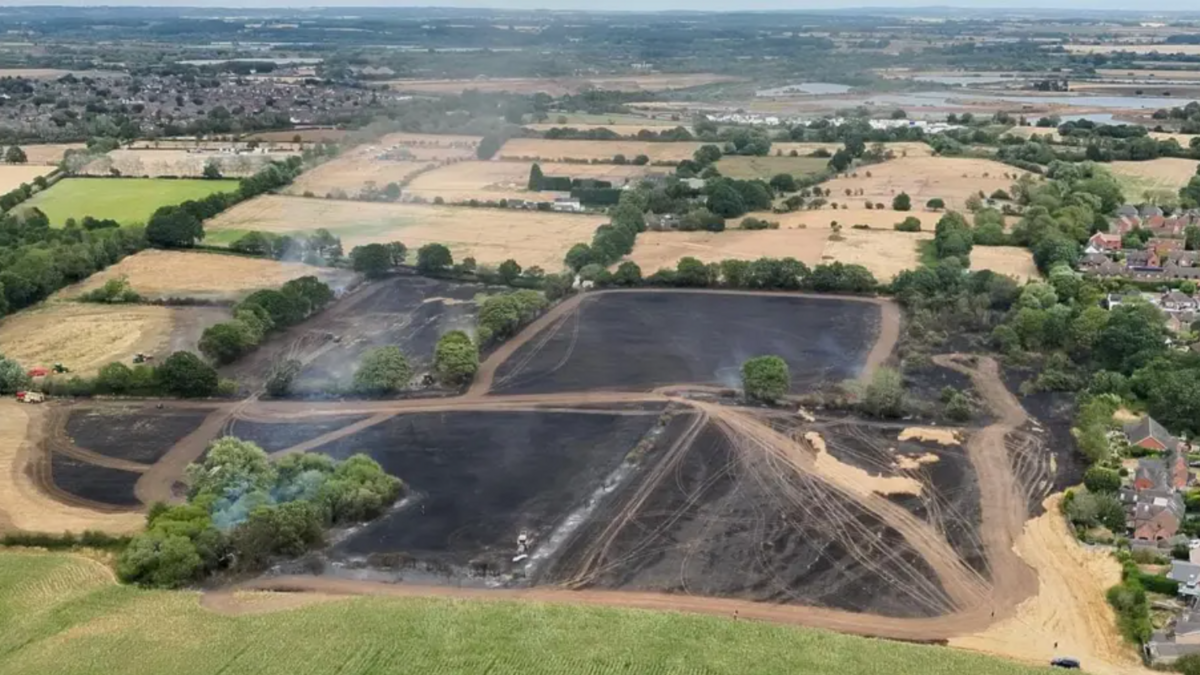
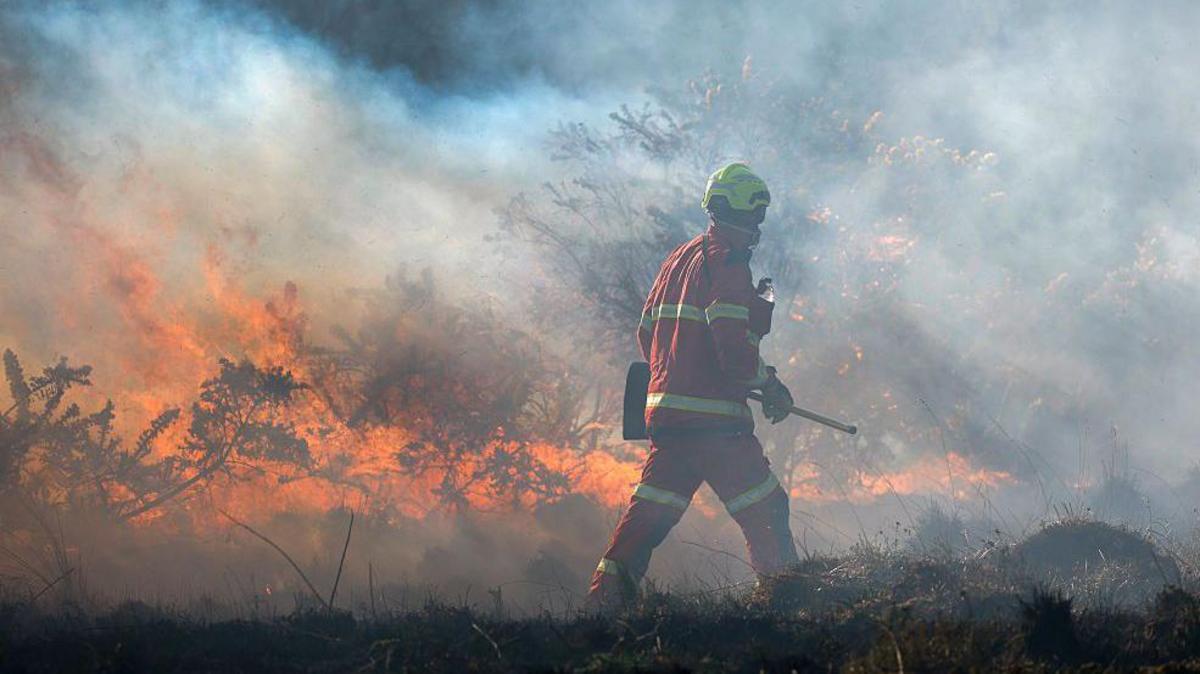
- Claire Belcher, director of the Wildfire Lab at the University of Exeter, called the ongoing "firewave" the most widespread the UK has seen, with fires burning "right across the country" rather than concentrated in one region.
- The National Fire Chiefs Council reported 19 active wildfires as of Monday afternoon, with two services declaring major incidents in north Wales and Derbyshire.
- North Wales Fire and Rescue stood down its major incident by 5pm Monday after evacuating residents from a mountainside blaze in the Carneddau landscape, though it warned residents to keep windows shut.
- Derbyshire Fire and Rescue tackled a "large-scale wildfire" at Tintwistle Moor blamed on "tinder dry" ground, dropping water from helicopters with support from mountain rescue teams and neighboring services.
- Wildfire scientist Maria Barbosa of the UK Centre for Ecology and Hydrology warned that consecutive days above 30°C with little rain strip moisture from plants and soils faster than they can recover, turning vegetation into readily available fuel.
- London Fire Brigade deployed 125 firefighters to a blaze in Walthamstow affecting homes, gardens, and a railway embankment, while about 50 LFB firefighters fought a separate grass fire in Orpington.
- Thomas Smith of the London School of Economics noted that fires at the rural-urban interface — like those near York and Walthamstow — can become "major emergencies" even when small, because flammable vegetation meets homes and infrastructure.
Why it matters: The simultaneous outbreak across at least eight regions, with two major incident declarations and evacuations, shows the UK's traditional seasonal fire protections are breaking down under repeated heatwaves. With wildfires now migrating into urban fringe areas — Walthamstow, Orpington, York — even smaller blazes now pose disproportionate threats to homes, residents, and critical infrastructure, a sharp shift from past moorland-focused fire seasons.
Ask SkimNews