BrahMos Eyes UAE Export as Russia Weighs Induction — SkimNews

Get the Geopolitics newsletter
Daily geopolitics — wars, elections, sanctions, the diplomatic moves that move markets. Free.
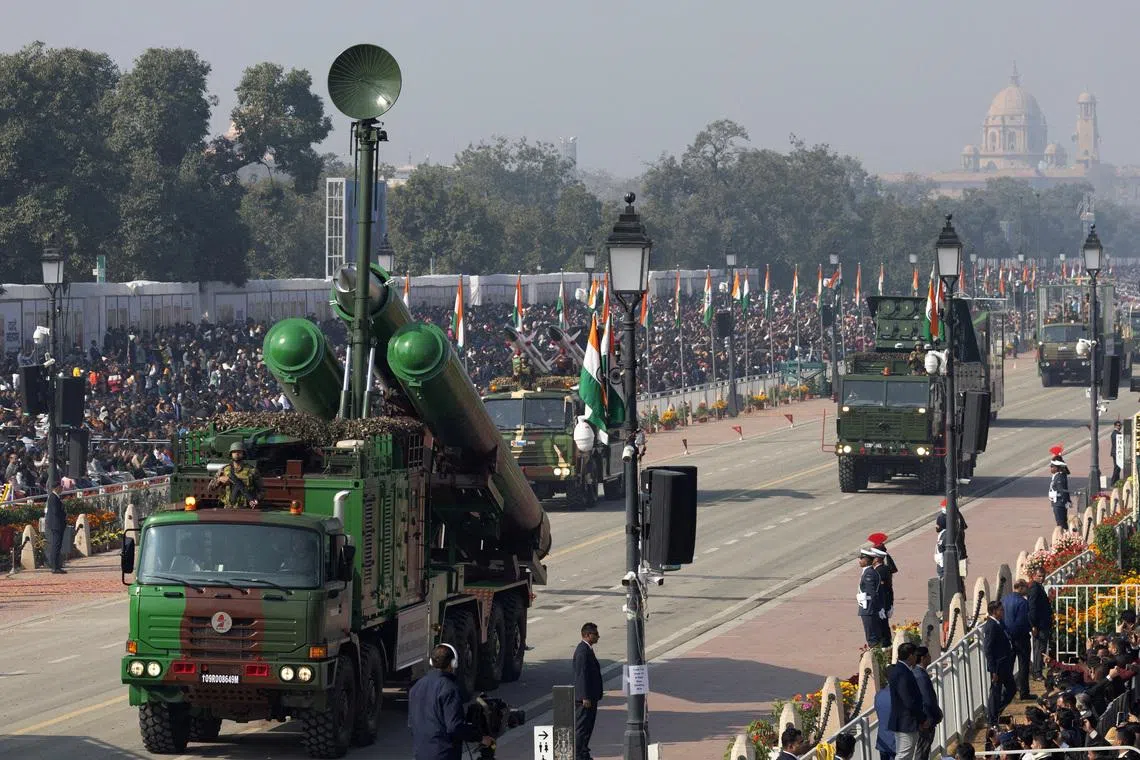
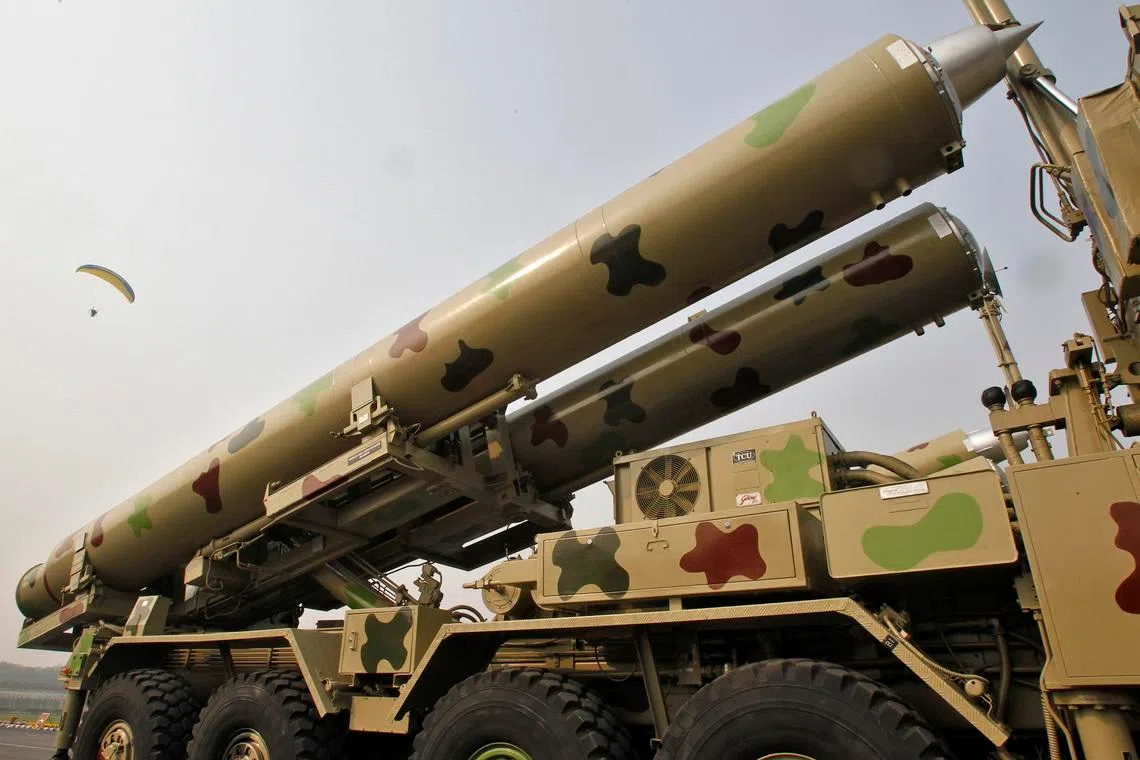
- India is in talks with the UAE to export the BrahMos supersonic missile and the Akashteer air defense command-and-control system, with Iranian strikes on Al Dhafra and Al Minhad air bases during the recent Iran conflict reinforcing Abu Dhabi's case for the acquisition.
- The UAE currently fields THAAD, Patriot, KM-SAM, the subsonic Black Shaheen (Mach 0.8) and ATACMS, but lacks a supersonic precision-strike missile capable of engaging both maritime and land targets, a gap the BrahMos would fill.
- Russia, the BrahMos co-developer holding a 49.5% stake in BrahMos Aerospace, is reportedly considering inducting the missile onto its naval platforms after the Ukraine war depleted stocks of its P-800 Oniks, Kalibr, and Kh-35 cruise missiles.
- BrahMos exports have so far been limited to the original 290-km variant to stay below the Missile Technology Control Regime's Category I 300-km threshold, but India's 2016 MTCR accession cleared the way for variants now exceeding 400 km, with an 800-km iteration suggested.
- India's defense export industry remains platform-centric and lacks the overseas maintenance hubs, training ecosystems, spare parts networks, and depot support infrastructure that established exporters like the US and France provide to buyers including the Philippines, Vietnam, Indonesia, and potentially the UAE.
Why it matters: A Russian induction would make BrahMos the rare joint India-Russia defense product adopted by one of the world's leading missile powers, validating the program after UAE and Southeast Asian sales, while Russia's potential access via its 49.5% stake and MTCR membership to extended-range variants (400+ km, possibly 800 km) creates a two-tier export structure that other buyers like the UAE and the Philippines would not receive.
Ask SkimNews