Coroner Rules Stiles' Death Caused by Heading — SkimNews
Get the Sports newsletter
Daily sports — scores, transfers, the storylines from the leagues you actually follow. Free.
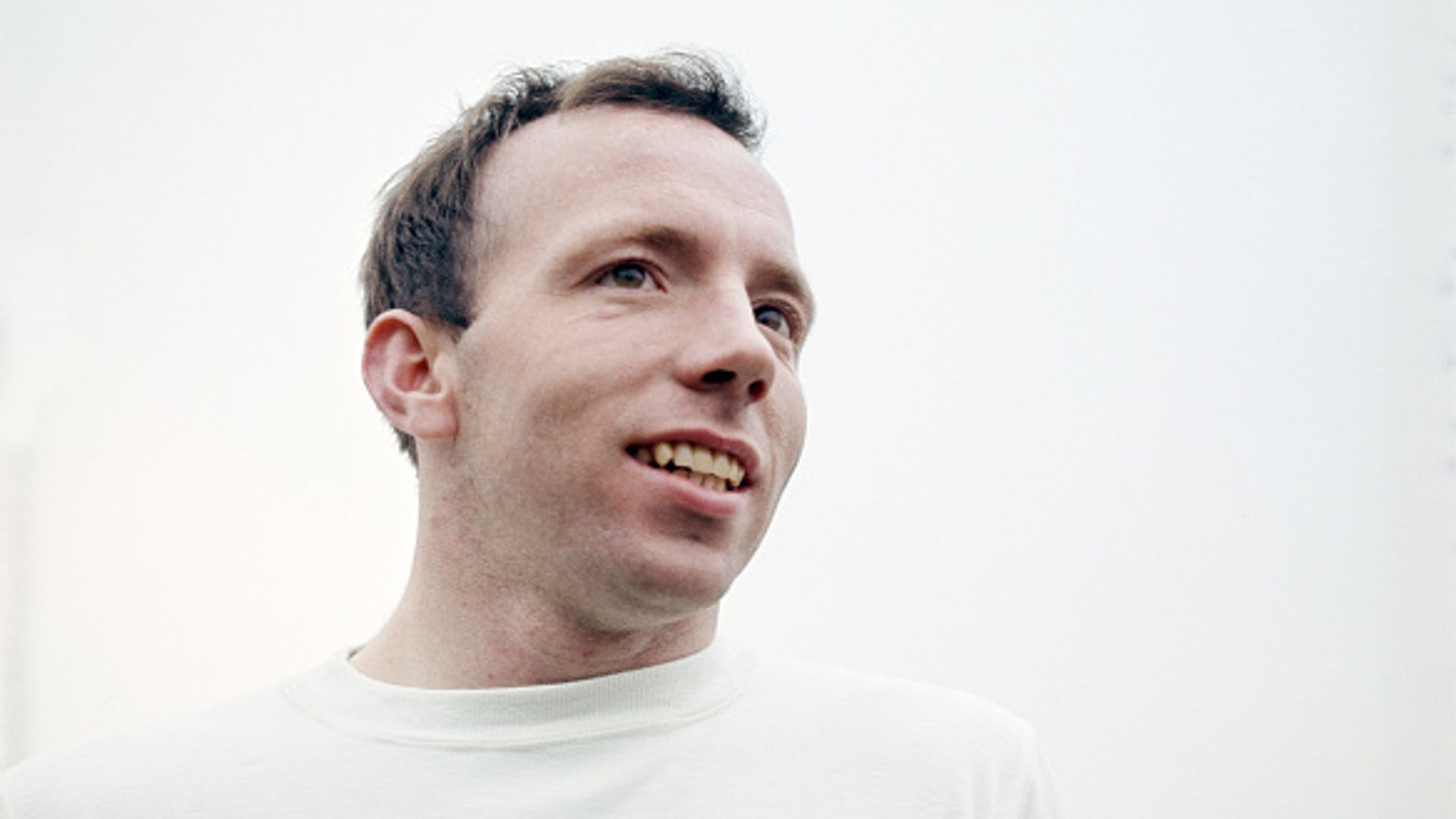
- Nobby Stiles died on October 30, 2020 aged 78 with severe dementia caused by Alzheimer's disease and chronic traumatic encephalopathy (CTE), with a Stockport coroner ruling the CTE resulted from roughly 140,000 career headers.
- Neuropathology expert Dr Daniel Du Plessis told the inquest he was "quite convinced" Stiles' repeated heading caused his CTE, confirming the family's medical claim first raised in January 2024.
- Son John Stiles estimated his father headed the ball around 40 times a day, five days a week, for 17 years — a "conservative" tally of 136,000 headers — and said football had "killed" his father.
- Football Families for Justice, the group John Stiles leads, is among dozens of former players and families suing the Football Association, the FA of Wales, and the English Football League for alleged negligence and breach of duty of care.
- The FA told the High Court in March that it has "not been established by science" that heading or "occasional" concussion can cause permanent brain damage — a position now sitting alongside the coroner's formal finding.
- Ex-Scotland defender Gordon McQueen, who also had CTE, had an inquest in January find that heading "likely" contributed to the brain injury behind his death at 70; his daughter Hayley McQueen said England's 1966 World Cup-winning squad had been "pretty much wiped out" by neurodegenerative disease.
- A 2019 study co-funded by the FA and the Professional Footballers' Association found footballers were three-and-a-half times more likely to die of neurodegenerative disease than age-matched members of the public; the FA is phasing out heading in youth football up to under-11s by 2026.
Why it matters: The coroner's formal CTE attribution gives the FA, FAW, and English Football League a concrete adverse finding to answer in the negligence lawsuit, while the body's March courtroom stance — that the science isn't settled — now sits directly opposite a coroner's verdict. For governing bodies, the contradiction between their public youth-heading phase-out and their litigation defense sharpens both legal exposure and reputational risk.
Ask SkimNews