Why a US-China War Over Taiwan Would Be Catastrophic — SkimNews
Get the Geopolitics newsletter
Daily geopolitics — wars, elections, sanctions, the diplomatic moves that move markets. Free.
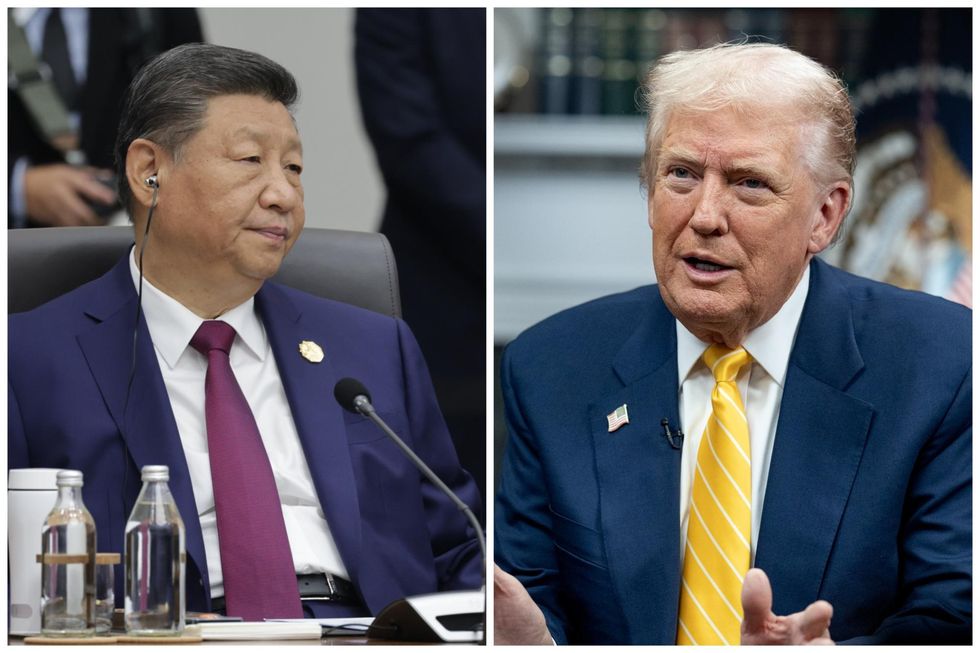
- The author argues the founders wisely reserved war-declaring power to Congress precisely to prevent presidential misjudgment, citing Trump's Iran attack as evidence that a future president could "succumb to reckless hubris" over Taiwan.
- Taiwan has become a dangerous tripwire: Taipei has bulked up its US lobbying to preserve Washington's implicit security commitment, while none of America's Asia-Pacific allies have committed to fight alongside it against the region's most powerful nation.
- Geography undercuts the US position: Taiwan sits roughly 100 miles from China's coast but more than 6,000 miles from the American mainland, making power projection far costlier than deterrence.
- The Pentagon was left "desperately short of munitions" after just six weeks of bombing Iran — stockpiles the article says would be vital for any China contingency, exposing the fiscal and industrial limits of simultaneous regional commitments.
- War games consistently show the US losing to China, and even victory scenarios typically cost two or more aircraft carriers, one to two dozen ships, hundreds of aircraft, and thousands of personnel, with many exercises failing to game nuclear escalation.
- The PRC could bypass a hot war with a blockade or quarantine, forcing the US to initiate hostilities without an obvious act of attack — the Wall Street Journal reports Chinese forces now constantly patrol close to the island's 23 million people.
- Steve Bannon, a Trump pardon recipient, criticized the author for "insufficient bellicosity" toward China while denouncing the Iran war, illustrating what the piece calls Washington's "informal war party" eager to fight the "enemy du jour."
Why it matters: The author frames this as a debate Americans have not had but must have before another president commits the nation to war: US war games already project catastrophic losses in a China fight, and six weeks of bombing Iran exhausted munitions stocks that would be essential for a Pacific contingency. Without allied commitments, geographic advantage, or industrial capacity to sustain it, defending Taiwan would strain the US military beyond what current budgets and stockpiles can support.
Ask SkimNews