Malaysia’s rare earths are prized by Washington – but at what cost to Putrajaya’s Palestine stance? — SkimNews

Get the Geopolitics newsletter
Daily geopolitics — wars, elections, sanctions, the diplomatic moves that move markets. Free.
- Malaysia's parliamentary committee on July 17 pressed Putrajaya to clarify its stance by end of July on a binding letter of intent Australian miner Lynas signed with the Pentagon in March for a US$96 million, four-year supply of light and heavy rare earth oxide products.
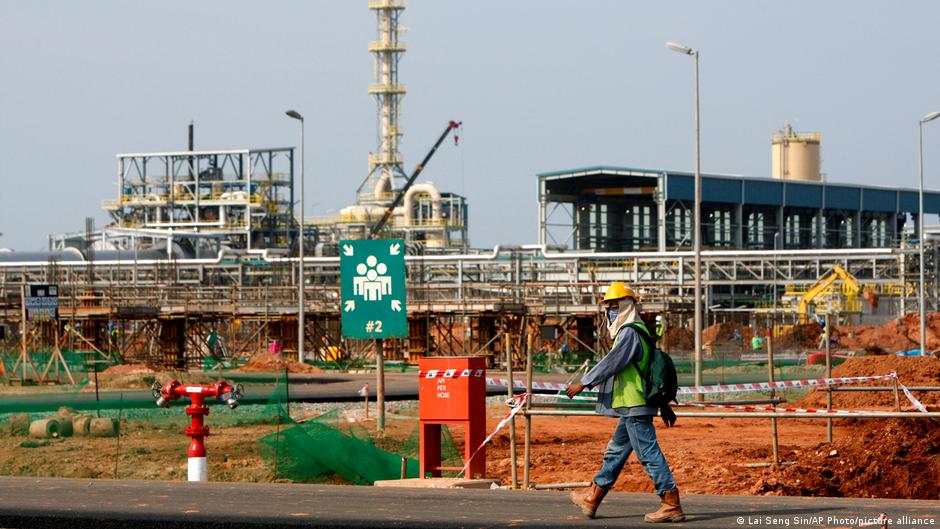
- Lynas, which operates the world's largest rare earth processing plant outside China at its 100ha Gebeng facility in Pahang, will supply materials the Pentagon deems essential to national security and supply-chain resilience.
- Greenpeace Malaysia, Sahabat Alam Malaysia, the Malaysian Consultative Council of Islamic Organisations and pro-Palestinian BDS movement representatives testified at the July 16 hearing that rare earth minerals processed in Malaysia should not contribute to any conflict or rights violation.
- Opposition party PAS raised concerns as early as March 19, with Selangor PAS Youth chief Mohamed Sukri Omar arguing that strategic resources should not be channelled to the military industry of any major power involved in international conflicts.
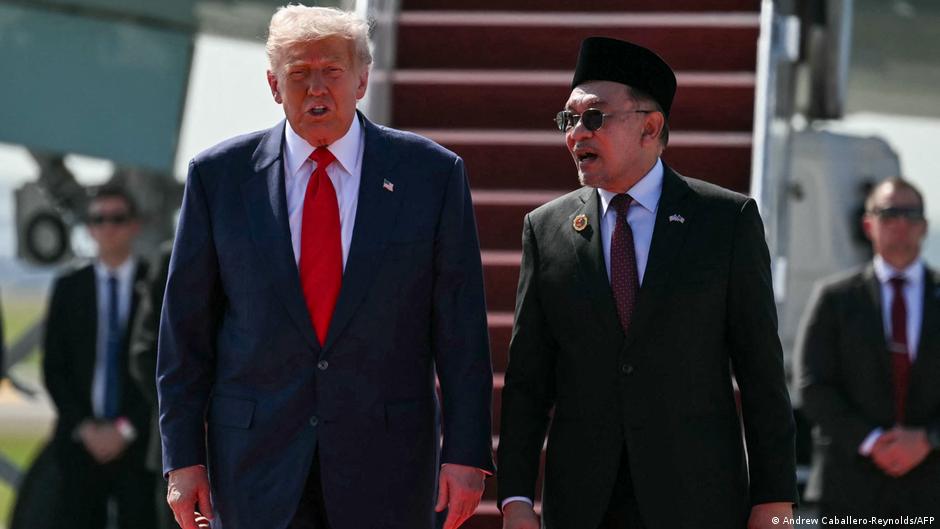
- Malaysia holds an estimated 16.1 million tonnes of non-radioactive rare earth resources and separately signed a broader agreement with Washington in October 2025 promoting US investment in rare earth exploration, extraction, refining, manufacturing and recycling.
- The Select Committee on International Relations and International Trade also recommended Putrajaya develop a clearer foreign investment policy for strategic minerals to safeguard Malaysia's sovereignty, interests and international reputation.
Why it matters: The committee's end-of-July deadline forces Putrajaya into a choice between a US$96 million critical minerals partnership with Washington and its longstanding diplomatic support for Palestine, with pro-Palestinian groups and opposition party PAS now formally on record against the deal.
Ask SkimNews