Iran war triggers Middle East sovereignty collapse
Get the Geopolitics newsletter
Daily geopolitics — wars, elections, sanctions, the diplomatic moves that move markets. Free.
- The United States and Saudi Arabia have launched airstrikes inside Iraq against Iranian-allied Iraqi militias, prompting Iraqi Prime Minister Ali al-Zaidi — who met Trump at the White House last month — to denounce the strikes as a "flagrant violation of sovereignty."
- The Houthis have resumed attacks on Red Sea shipping as a direct outgrowth of the U.S.-Iran war, and Saudi Arabia is preparing a possible new offensive in Yemen while attempting to draw in "dozens of other countries" on its side.
- Iran's horizontal-escalation strategy has drawn retaliatory counter-strikes from Saudi Arabia and the UAE inside Iranian territory, with Iranian strikes also hitting Kuwait, Bahrain, Qatar, and Jordan — the site of the most recent American casualties.
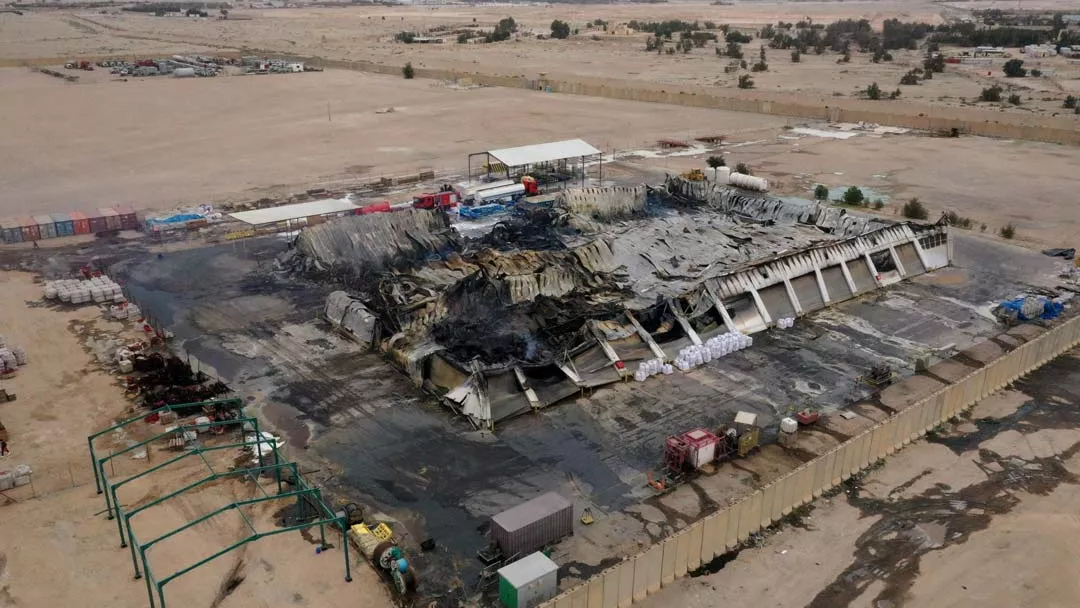
- A drone of unknown origin sparked fires on two vessels at Egypt's Mediterranean port of Damietta; Iran denies any link and suggests a possible Israeli false flag, while the source notes Iran and Egypt maintain good relations.
- A Ukrainian strike on a Russia-bound Iranian vessel in the Caspian Sea is beginning to merge the Iran and Ukraine wars — a development the source flags as one Israel would welcome.
- President Trump has at various points threatened to escalate strikes on Iranian civilian infrastructure and to attack Oman, which has been acting as a mediator trying to de-escalate the conflict.
- The source's Westphalia parallel argues that neither U.S. hegemony nor victory by one ideological or religious camp can resolve the disorder — that the Thirty Years War ended not through triumph but through exhaustion, and that only the mutual respect for sovereignty enshrined in the U.N. charter can produce a modicum of peace.
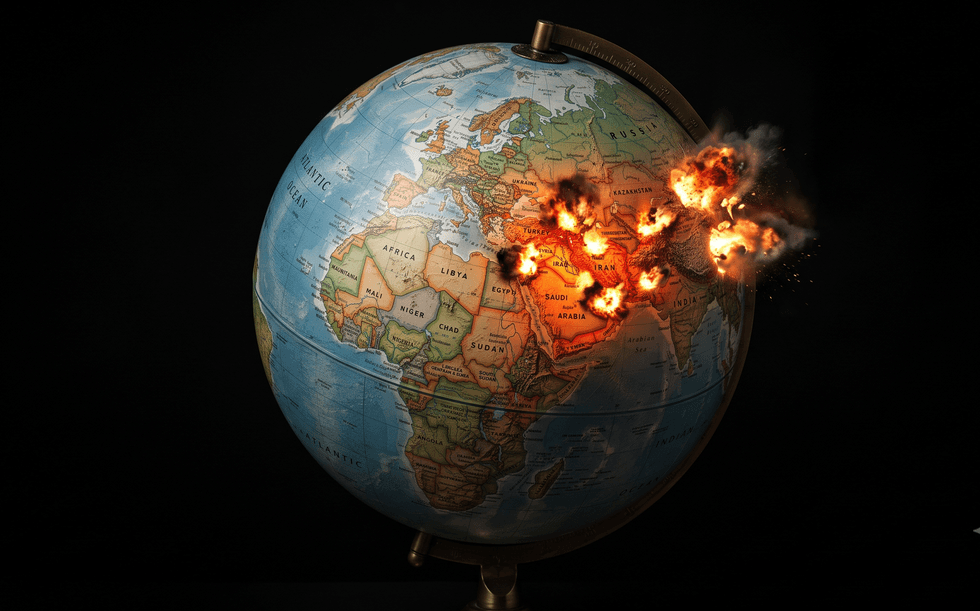
Why it matters: Trump's threat to attack mediator Oman and cross-border strikes now spanning at least 10 Middle Eastern states show the post-WWII sovereignty framework breaking down in real time. The source's Westphalia parallel argues that neither U.S. hegemony nor ideological victory ended the Thirty Years War — only exhaustion — implying no quick diplomatic exit exists.