Daily Juice Linked to Lower Depression Scores: Trial

Get the Health newsletter
Daily health & science — research, biotech, public health, the studies worth knowing. Free.
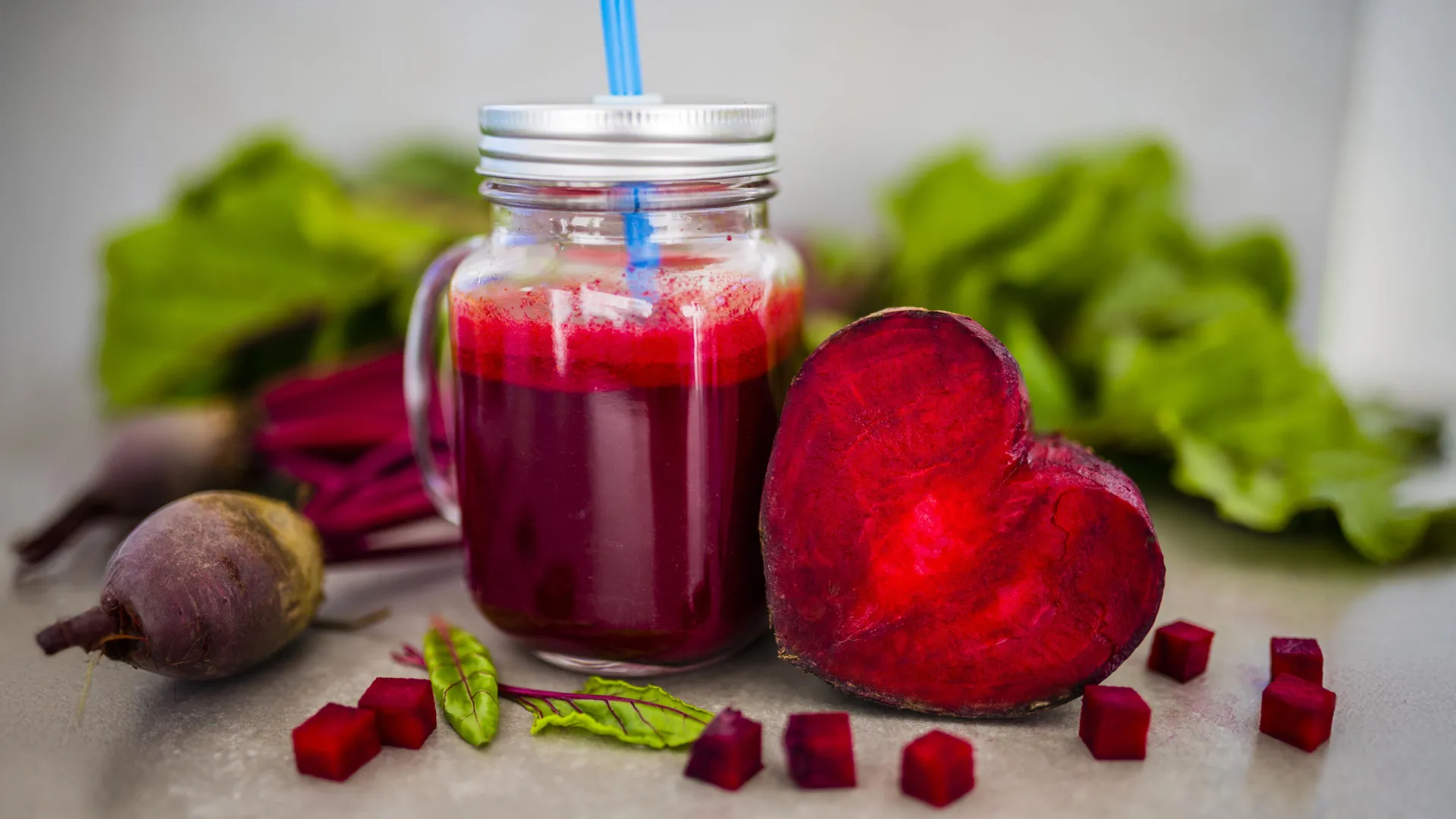
- Newcastle University researchers reported in the peer-reviewed British Journal of Nutrition that adults who added one daily glass of 100% fruit juice or smoothie to a 5-a-day diet showed significantly lower depression scores after four weeks than those who did not.
- The 42-participant trial randomized low-intake adults (eating two or fewer daily portions of fruit and veg) into three groups of 14 — a control group, a whole-foods-only group, and a whole-foods-plus-juice group — with the two intervention arms receiving £10/week and educational support.
- The juice group scored 2.52 points lower on the 27-point PHQ-9 depression scale (adjusted mean 2.93 vs. 5.45 in controls), a difference the researchers described as modest but statistically significant; no comparable change was reported on the GAD-7 anxiety measure.
- Both intervention groups raised their daily fiber intake by an estimated 8-10 grams, and researchers found no adverse effects on metabolic health markers despite concerns about the sugar content of juice.
- Lead researcher Dr. Courtney Neal, who completed the study at Newcastle University and is now at the University of Liverpool, said cost-effective steps like a daily glass of juice could help people hit 5-a-day targets 'with potential benefits for mental well-being.'
- Senior author Dr. Oliver Shannon, Lecturer in Nutrition and Ageing at Newcastle, called the depression finding 'promising and worthy of further exploration' and noted it aligns with prior studies linking citrus juice consumption to improved brain blood flow and cognitive function.
- The study was funded by the Fruit Juice Science Centre and published as fewer than 1 in 5 (17%) UK adults and only 1 in 10 teenagers currently meet the 5-a-day recommendation.
Why it matters: For the 83% of UK adults who fall short of 5-a-day, the trial positions a single daily glass of juice — a cheaper and easier habit than overhauling whole-food intake — as a possible lever for modest mood gains within four weeks; the 42-person sample and Fruit Juice Science Centre funding mean the result is hypothesis-generating rather than practice-changing.
Ask SkimNews