Men are losing a key chromosome with age and it may be deadly
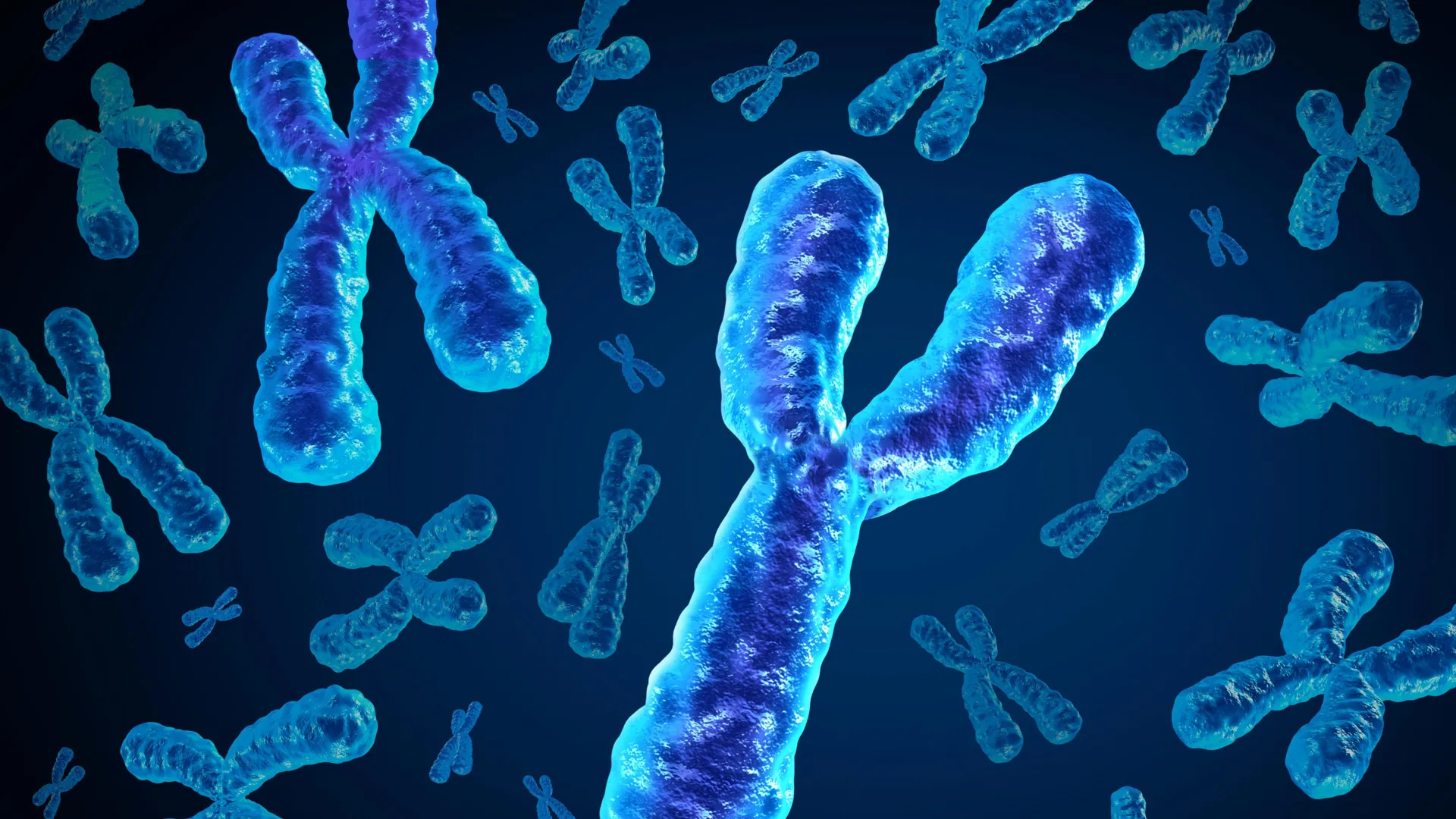
Why it matters: Losing the Y chromosome isn't just a quirk; it's a silent killer linked to major age-related diseases.
- Loss of the Y chromosome is now considered a major driver of age-related diseases, including cardiovascular disease, cancer, and neurodegenerative disorders, rather than a harmless genetic quirk.
- The Y chromosome's absence in a growing number of cells is common in older men, affecting 40% in their 60s and 57% by age 90, with environmental factors like smoking increasing its likelihood.
- Cells without the Y chromosome may grow faster, potentially gaining an advantage in tissues and tumors, contributing to the development and progression of various health problems.
- Despite its small size and limited genes, the Y chromosome's loss later in life has significant implications for overall health and lifespan, challenging previous scientific assumptions about its importance beyond male development.
Aging men are increasingly losing the Y chromosome in their cells, a phenomenon once dismissed as minor but now strongly linked to serious age-related diseases like heart disease, cancer, and Alzheimer's, potentially shortening lifespans. This widespread genetic change, affecting up to 57% of men by age 90, is suspected to accelerate the growth of Y-less cells, disrupting normal bodily functions and driving a range of health issues.