Iran FM Araghchi warns of contamination risk after U.S.-Israeli strikes on Bushehr nuclear power plant
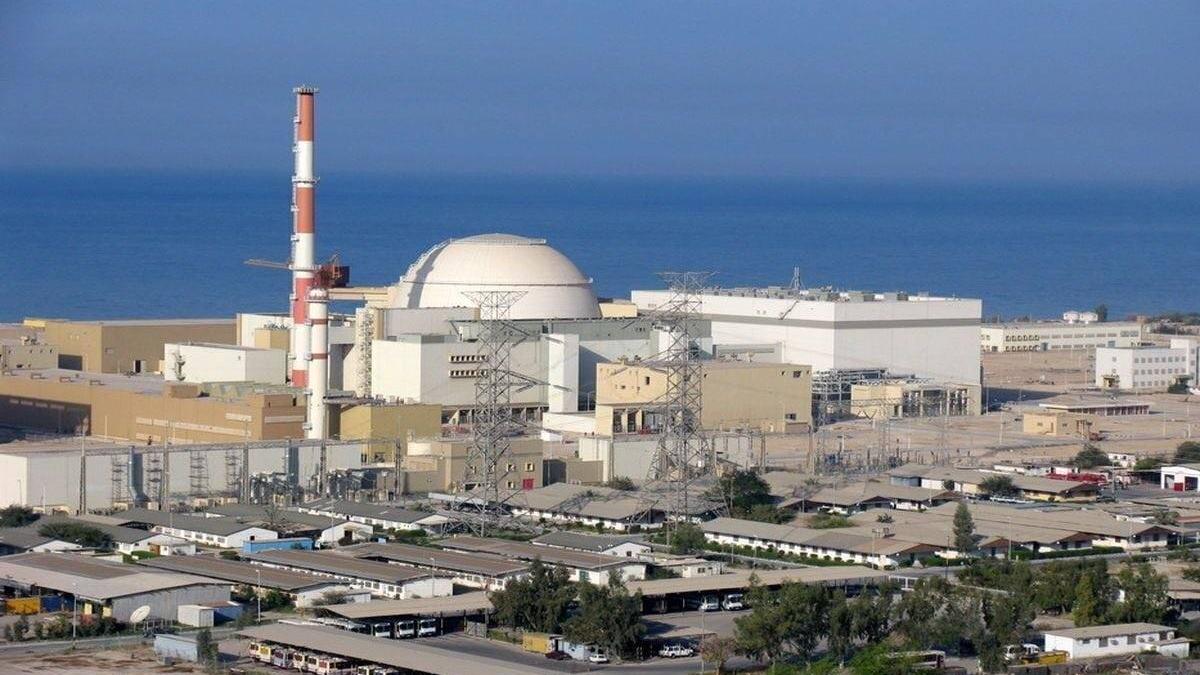
Why it matters: The strikes forced Russia to evacuate 198 workers from Bushehr, raising the risk of radioactive fallout for Gulf Cooperation Council capitals.
- U.S.-Israeli strikes near the Bushehr nuclear plant killed a guard and marked the fourth such incident in recent weeks, according to the IAEA.
- Iranian Foreign Minister Abbas Araghchi warned that continued attacks could lead to radioactive fallout, ending life in GCC capitals rather than Tehran, due to Bushehr's proximity to Kuwait, Bahrain, and Qatar.
- Russia evacuated 198 workers from the Bushehr plant, as reported by Reuters and the main article, underscoring the immediate danger to personnel.
- International Atomic Energy Agency (IAEA) head Rafael Grossi expressed "deep concern" over the strike, emphasizing that nuclear power plant sites must never be attacked, despite no reported increase in radiation levels.
- Tehran experienced more strikes, with an AFP journalist observing thick grey smoke and residents expressing profound helplessness amid the escalating conflict.
- The broader conflict erupted over a month ago with U.S.-Israeli strikes killing supreme leader Ali Khamenei, triggering widespread retaliation, including a Revolutionary Guards drone strike on a commercial ship in Bahrain linked to Israel.
U.S.-Israeli strikes near Iran's Bushehr nuclear plant on April 4, 2026, prompted Iranian Foreign Minister Araghchi to warn of catastrophic radioactive fallout for Gulf neighbors, a concern echoed by the IAEA amid escalating regional conflict. Russia, a key partner in the plant's operation, evacuated 198 workers, highlighting the immediate danger and the broader humanitarian implications of the ongoing hostilities.