South Korea's 'Model Ally' Label Disputed

Get the Geopolitics newsletter
Daily geopolitics — wars, elections, sanctions, the diplomatic moves that move markets. Free.
- President Lee Jae Myung called US post-WWII forces in South Korea an "occupying force" and was accused of involvement in an unauthorized US$8 million transfer to North Korea while serving as governor of Gyeonggi Province; Lee denies the charges, but his subordinate was convicted.
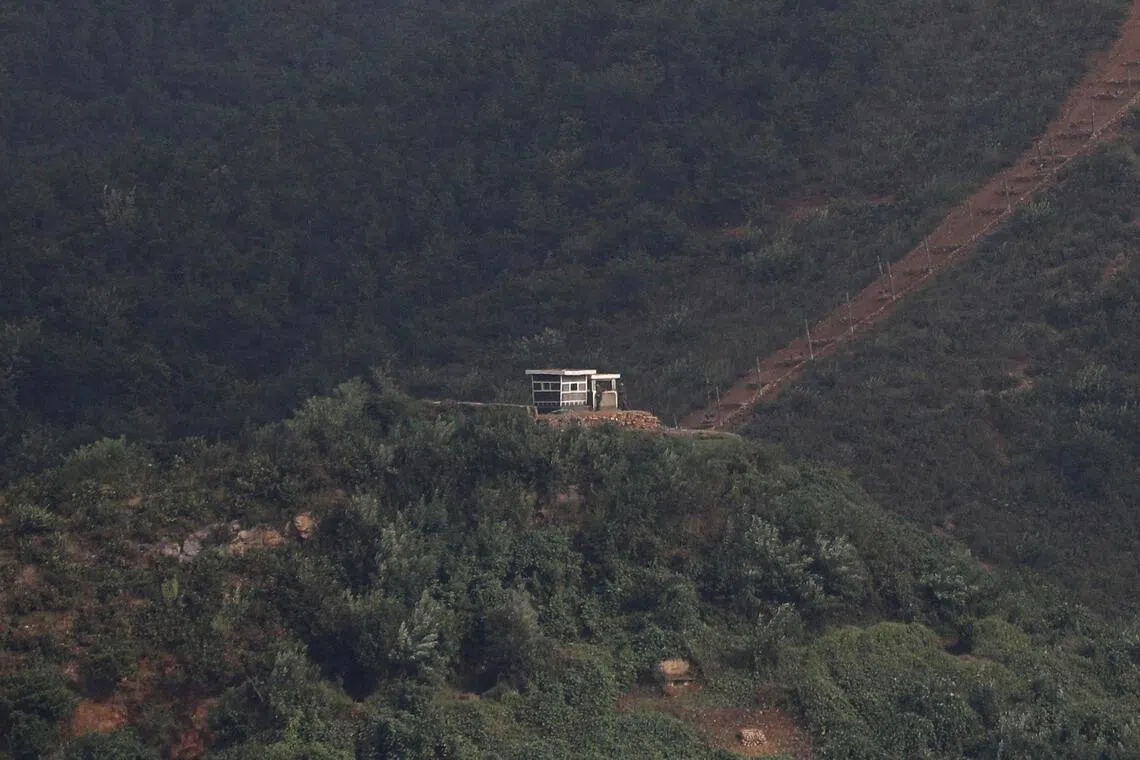
- The Lee administration sent $500,000 to Iran for "humanitarian aid," declined to support the US campaign against Iran, and provoked Washington over DMZ management procedures; South Korean prosecutors also improperly accessed restricted areas at Osan Air Base during an investigation into the previous government's North Korea policy.
- Lee Jae Myung's social media posts equated Israeli military actions with the Holocaust, prompting a formal Israeli government complaint and what the author calls a "half-hearted, incoherent excuse."
- South Korea's Democratic Party of Korea is led by figures whose elder brother recently served as prime minister and who were imprisoned as younger men for pro-North Korea attacks on the US ambassador's residence and a US Information Agency office — neither has apologized.
- Former Rep. Michelle Steel has been named US ambassador to South Korea, with the author urging her to examine electoral fraud allegations dating to 2020 and review US visas of relatives of anti-American South Korean politicians.
- US Undersecretary of War Elbridge Colby called South Korea a "model ally" during a Seoul visit — a label the author, a retired Marine officer and former diplomat, argues ignores the Lee government's anti-American actions and authoritarian drift, citing Venezuela under Chávez and Turkey under Erdoğan as historical parallels.
Why it matters: The author, a retired Marine officer and former diplomat, frames the Lee government as repeating the pattern of US-allied drift seen in Venezuela under Chávez and Turkey under Erdoğan, arguing Washington is ignoring warning signs at a time when the alliance is critical for Indo-Pacific deterrence involving Taiwan and North Korea.