The Iran war is changing how millions of people cook — and what they eat
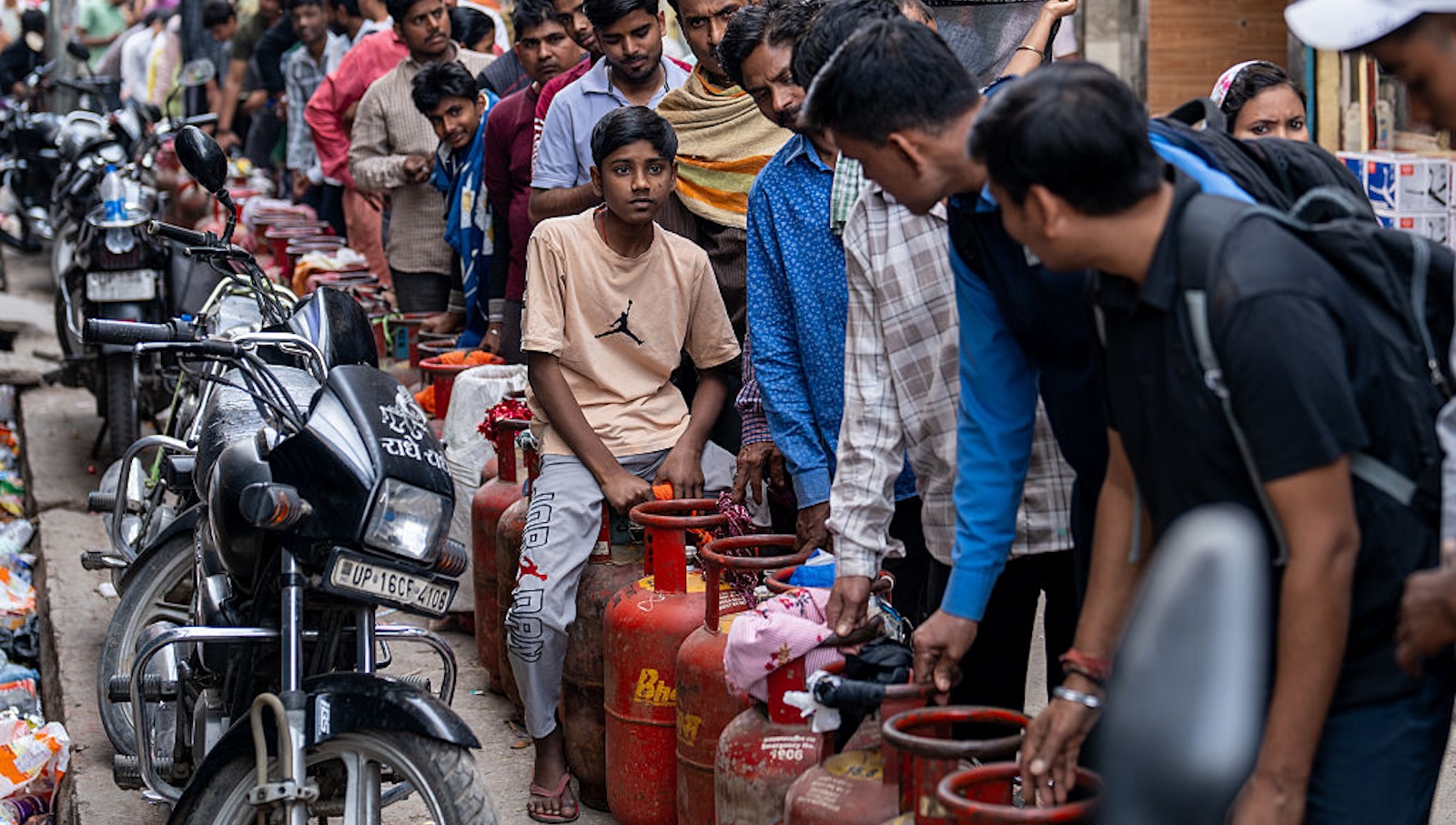
Why it matters: Millions of Indian households are facing cooking gas shortages and price hikes due to the closure of the Strait of Hormuz.
- India's government subsidized LPG a decade ago, making it ubiquitous for cooking among lower-income citizens, replacing wood and coal.
- Subhash Kapoor, a driver in Noida, experienced a sudden disruption in his routine LPG supply in early March, receiving a text claiming he'd picked up his allotment despite not doing so.
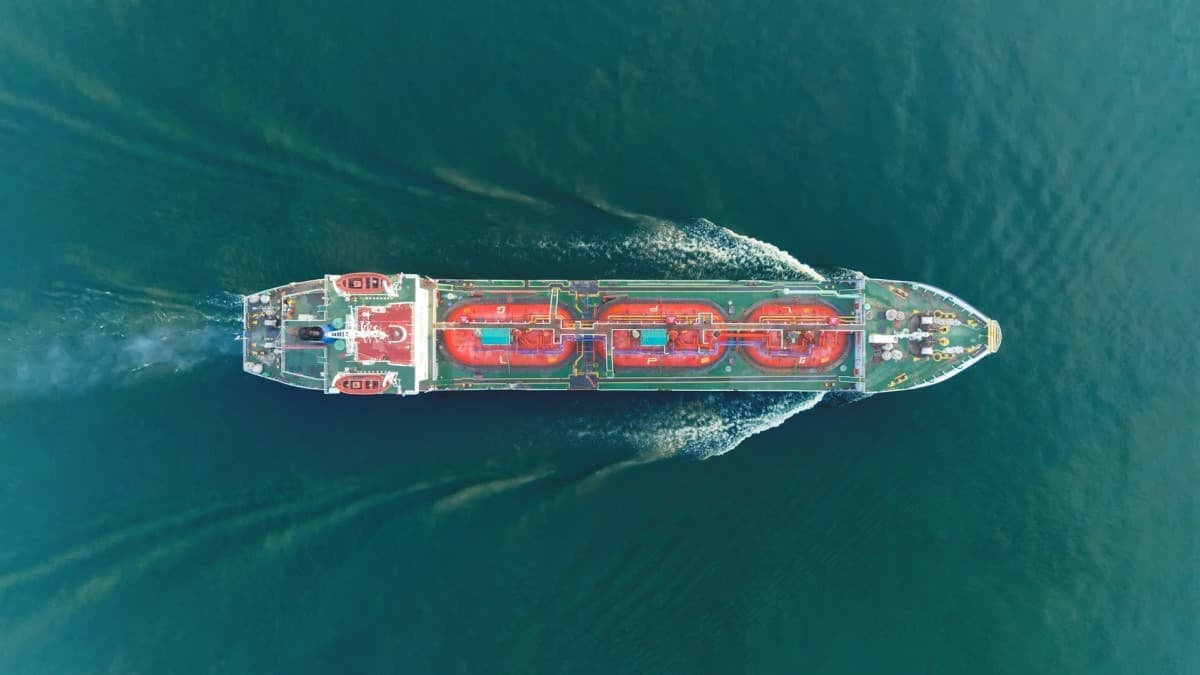
- The U.S.-Israel war with Iran led to the closure of the Strait of Hormuz, a vital channel for oil and LPG, which over 2 billion people in Asia and Africa depend on.
- India is particularly vulnerable to the shortage as the world's second-largest LPG importer, with 60% of its supply imported and 90% from the Middle East.
- LPG prices in the Delhi area skyrocketed by 600%, forcing individuals like Kapoor to purchase cylinders on the black market for Rs. 3,600 (about $39), more than triple the usual cost.
The U.S.-Israel war with Iran has triggered a severe cooking gas shortage in India, impacting millions who rely on subsidized liquid petroleum gas (LPG) for daily cooking. The conflict's closure of the Strait of Hormuz, a critical trade route, has disrupted India's supply, 60% of which is imported and 90% from the Middle East, leading to price surges and black market reliance.