Michigan approves Line 5 tunnel permits over tribal opposition — SkimNews
Get the Energy newsletter
Daily energy & climate — solar, EVs, oil, the policy fights and tech bets shaping the transition. Free.
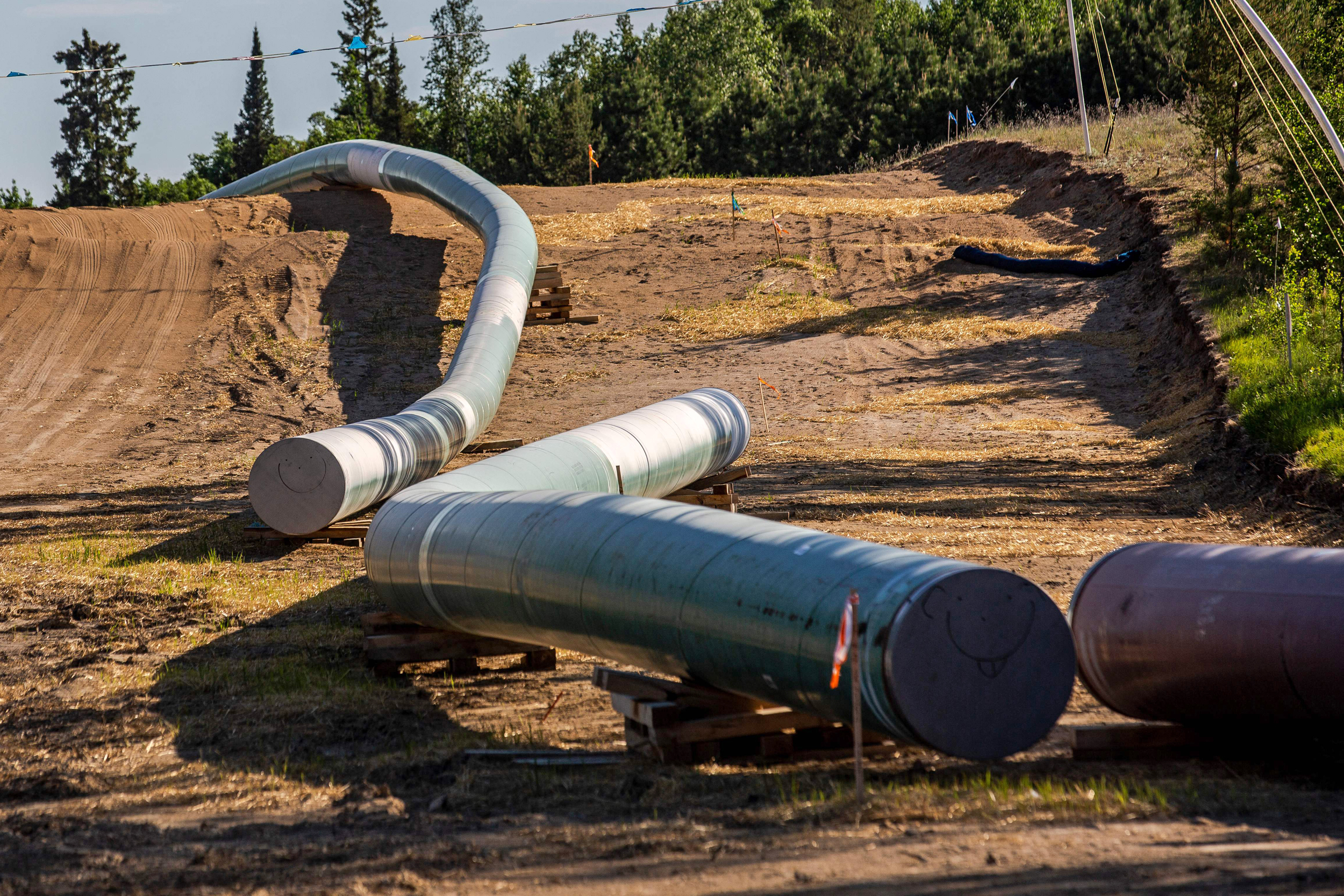
- Michigan's Department of Environment, Great Lakes, and Energy approved a lake bottomlands construction permit for Enbridge's Line 5 tunnel after a "comprehensive review," requiring the company to minimize damage to surrounding wetlands.
- Michigan's Department of Natural Resources issued Enbridge a separate permit despite acknowledging construction would "adversely impact" rare plants and animals, requiring mitigations such as seed collection and winter-only tree clearing to protect bats.
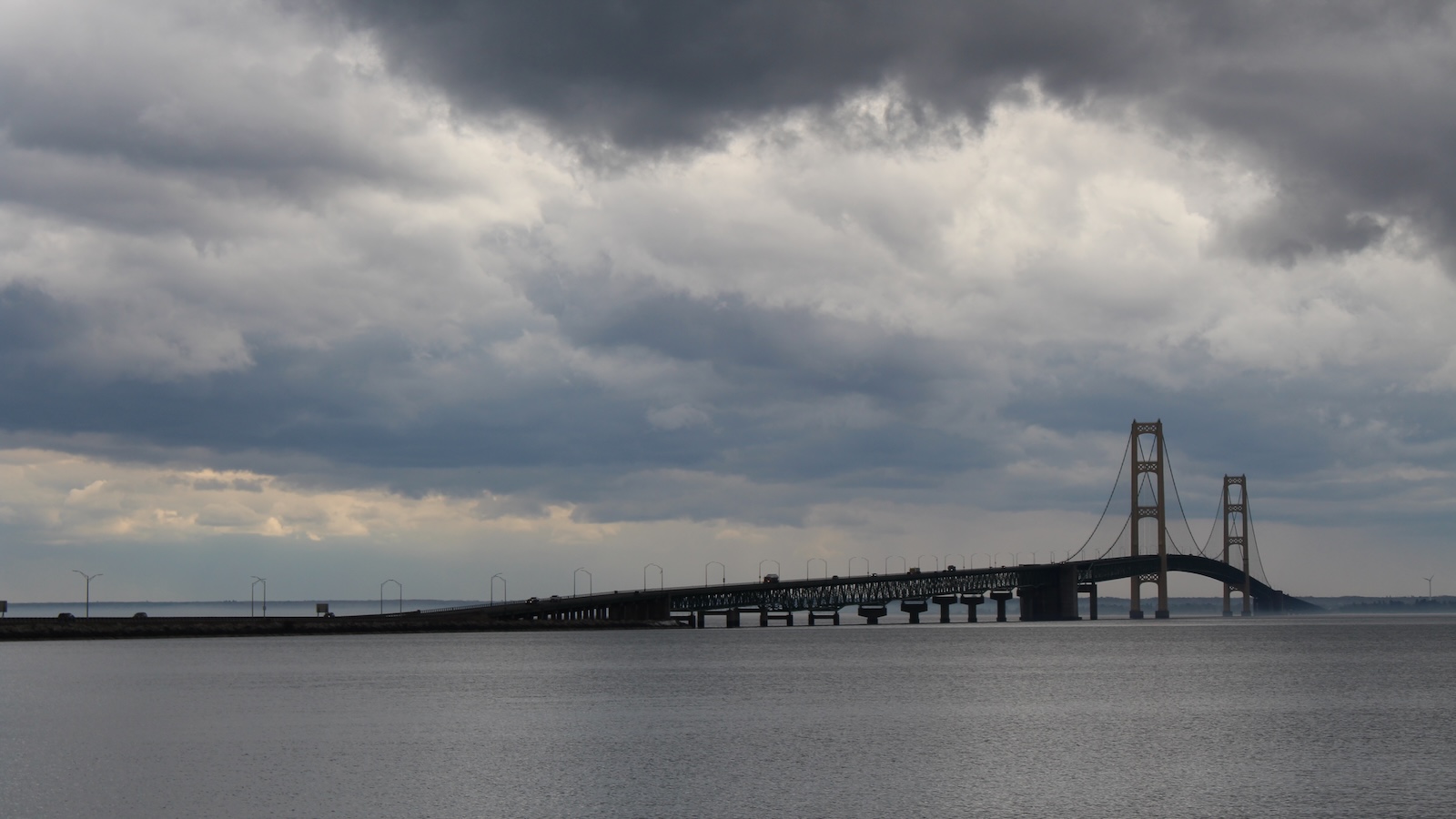
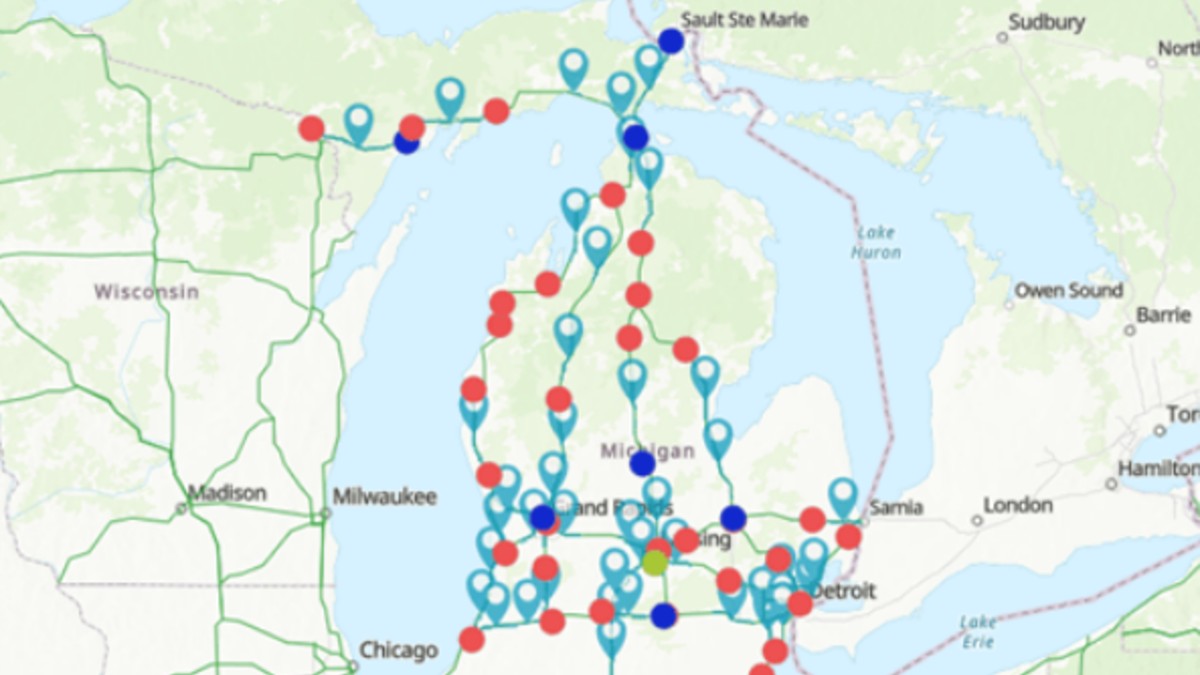
- Line 5 has transported crude oil and natural gas liquids 645 miles from Superior, Wisconsin, to Sarnia, Ontario for more than 73 years through the environmentally sensitive Straits of Mackinac between lakes Michigan and Huron.
- Bay Mills Indian Community president Whitney Gravelle called the mitigation plan "false penitence," saying the tunnel would disturb tribal ancestors' remains; the tribe is exploring a contested case hearing against the EGLE permit.
- Enbridge spokesperson Ryan Duffy called the permits "an important step forward" for uninterrupted energy flow to Michigan and Canada, though the company is reviewing them for impacts to tunnel construction.
- The Trump administration's 2024 national energy emergency declaration fast-tracked federal Line 5 review, and Wednesday's EGLE decision includes a Clean Water Act certification that lets the U.S. Army Corps of Engineers advance its own permit.
- Governor Gretchen Whitmer's administration is simultaneously litigating to shut down the existing Line 5 pipeline — a paradox opponents seized on, noting thick wildfire smoke from Canada currently blankets the Great Lakes region.
Why it matters: Bay Mills Indian Community treaty lands sit directly in the tunnel's path, immediately triggering tribal legal challenges that could delay construction. Enbridge still needs a Michigan Supreme Court ruling on a 2023 Public Service Commission permit (expected before summer's end), a wastewater discharge permit for 5 million gallons per day, and a federal Army Corps permit — while opponents point to last month's 1,900-gallon drilling fluid spill during a separate Line 5 segment build in Wisconsin.
Ask SkimNews