How massive US footprint in the Gulf became a bullseye overnight
Why it matters: The U.S. military's inability to deter Iran directly exposes critical infrastructure in Bahrain, Qatar, UAE, Kuwait, and Saudi Arabia.
- U.S. policy in the Middle East, centered on forward military deployment to deter Iran and defend allies, is increasingly unsustainable.
- Iranian strikes and threats against critical infrastructure highlight a growing disparity between the U.S. promise of protection and the actual vulnerability of Persian Gulf states.
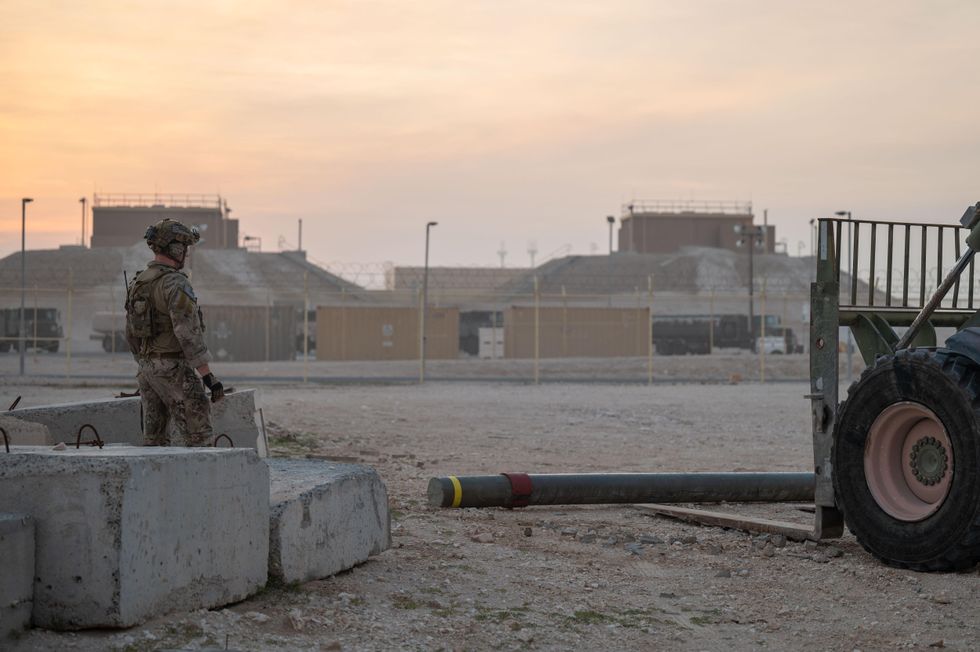
- The U.S. military footprint includes the Navy’s Fifth Fleet in Bahrain, Al Udeid Air Base in Qatar, Al Dhafra Air Base in the UAE, and multiple facilities in Kuwait (including Camp Arifjan and Camp Buehring) with roughly 13,500 personnel.
- Prince Sultan Air Base in Saudi Arabia has been reactivated to support air and missile defense operations, showcasing the breadth of U.S. deployments.
- The current U.S. security model, built on conventional superiority and rapid-strike capability, struggles to adapt to Iran's asymmetric challenge, reflecting institutional inertia rather than strategic effectiveness.
The extensive U.S. military presence in the Persian Gulf, once a deterrent, has become a liability, making host states more vulnerable to Iranian attacks. Despite a vast network of bases and personnel, the traditional model of conventional superiority is failing to counter Iran's evolving, asymmetric threats, creating a significant gap between promised protection and the reality of exposure.