Senate Flips on Iran War Powers in Two Days

Get the Geopolitics newsletter
Daily geopolitics — wars, elections, sanctions, the diplomatic moves that move markets. Free.
- The Senate voted 50-48 on a Tuesday to adopt a House concurrent resolution barring any future U.S. military activities against Iran, in defiance of the Trump administration
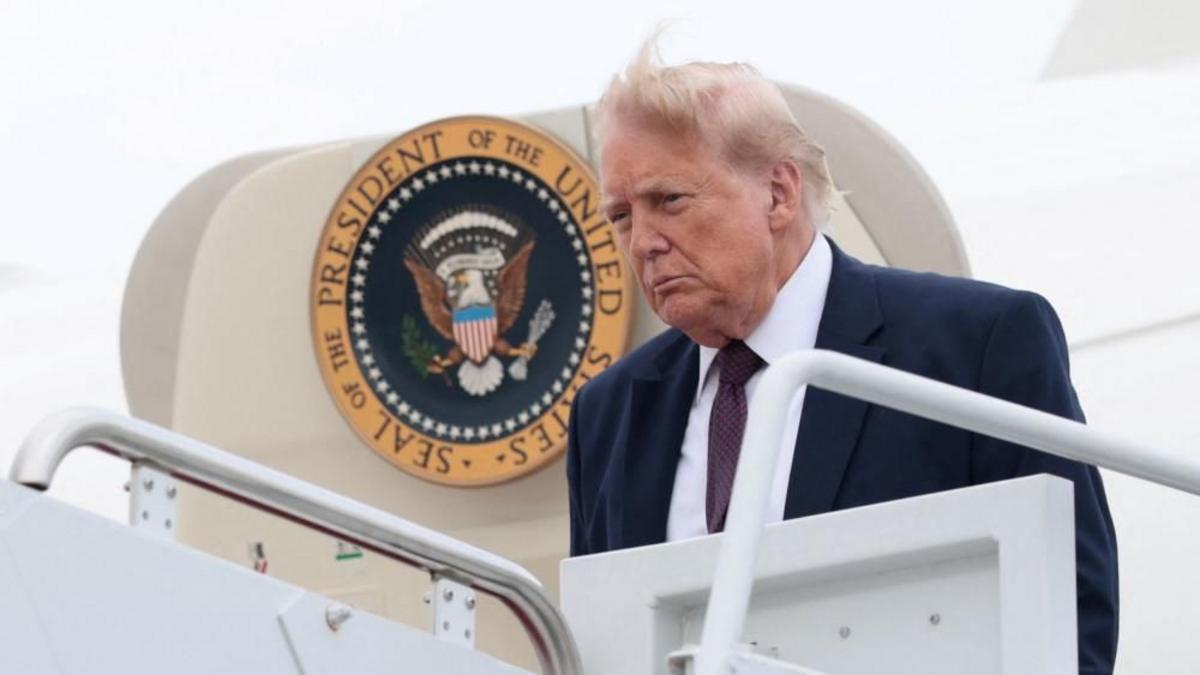
- Four GOP senators — Susan Collins, Bill Cassidy, Lisa Murkowski, and Rand Paul — crossed party lines to back the initial resolution, prompting Trump to confront them at a closed-door Republican Conference lunch the next day
- President Trump reportedly asked the four, 'Why would anybody vote for the war powers resolution?' — prompting a yelling match with Cassidy, who charged the president had not told Americans what's going on and had not achieved any of his original objectives
- Bill Cassidy, who had just lost his primary to a Trump-backed challenger, told Trump that an estimated four-week mission was now in its fourth month — then reversed course the next day, voting against a follow-up resolution
- The administration argues the concurrent resolution is unconstitutional under the 1983 Supreme Court ruling in INS v. Chadha, which struck down one-house legislative vetoes as violating the presentment clause
- The 1973 War Powers Resolution was never updated to require presidential presentment, because the Supreme Court has traditionally avoided 'political question' disputes between the branches over foreign policy
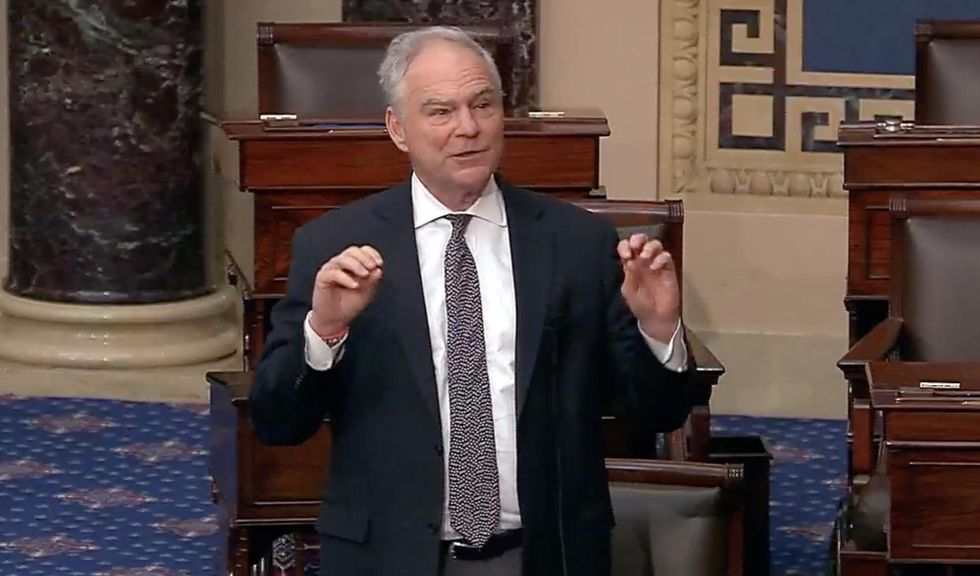
- Tim Kaine's Senate joint resolution — which would have required a presidential signature or veto — failed 47-50 the following day, with Cassidy voting against and Paul voting 'present'
Why it matters: The episode exposes a structural flaw in Congress's war-powers check: the 1973 resolution still relies on a concurrent resolution that may violate the presentment clause, and was never rewritten precisely because courts duck 'political question' disputes over war. With Cassidy and Paul reversing within 48 hours under presidential pressure, the practical restraint on executive warmaking just weakened — the same four GOP votes that initially checked Trump folded before the second vote was even called.