CNA Explains: Why China's rare missile test is putting the Pacific on edge — SkimNews
Get the Geopolitics newsletter
Daily geopolitics — wars, elections, sanctions, the diplomatic moves that move markets. Free.
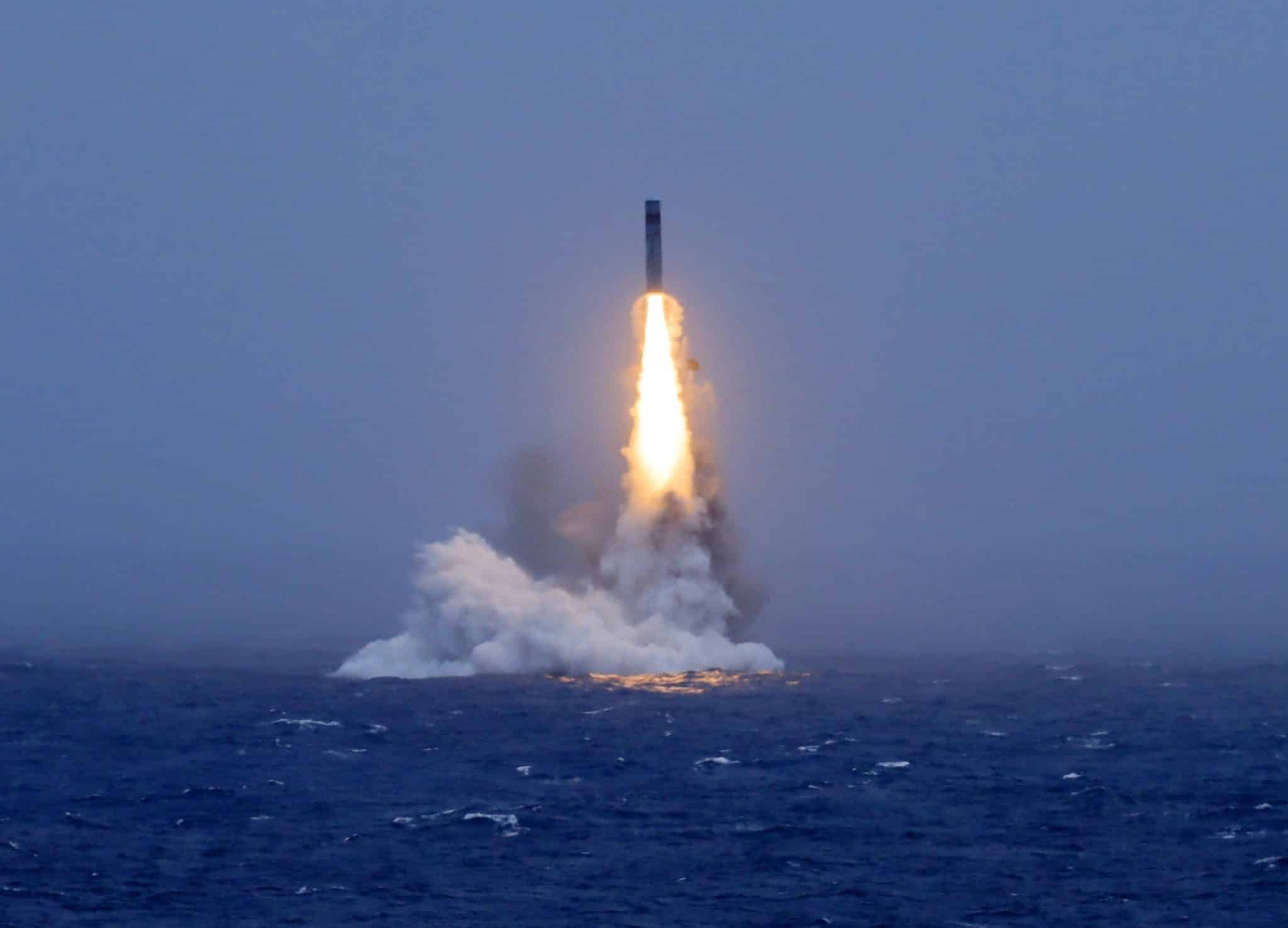
- China launched a long-range ballistic missile carrying a simulated training warhead from a nuclear-powered submarine on July 6, traveling about 7,300km before landing in international waters in the South Pacific — only its second ballistic missile test into international waters since 1980.
- Experts identified the missile as most likely the JL-2, which has a range of 8,000km, rather than the more advanced JL-3 (range exceeding 10,000km), noting the missile likely overflew parts of the Philippines before landing in the South Pacific Nuclear Free Zone established by the 1986 Treaty of Rarotonga, which China ratified in 1987.
- The United States said the few hours' advance notice it received fell "considerably short" of standards adopted by other P5 nuclear-weapon states, while New Zealand expressed concern over what it called a "recurring pattern" following a similar launch in 2024.
- The test came hours after Australia and Fiji signed the Ocean of Peace mutual defense alliance; analysts are divided on whether the timing was deliberate, with one arguing Beijing's decision not to postpone "is itself an indicator of where China's priorities lie."
- CSIS estimates China's nuclear stockpile has grown from about 200 to more than 600 warheads in the past six years, with the Pentagon projecting it could exceed 1,000 by 2030 — analysts say the launch marks progress toward a credible nuclear triad alongside land-based and future air-launched capabilities.
- Pacific Island leaders are considering a "very strong" joint statement condemning the test, according to Australia's Prime Minister Anthony Albanese, with analysts predicting the launch will push US allies and Pacific states toward closer defense cooperation with Australia and New Zealand.
Why it matters: China's stockpile has tripled to 600+ warheads in six years per CSIS, and this first publicly disclosed long-range SLBM test demonstrates a secure sea-based second-strike capability that analysts say could let China wield coercion below the nuclear threshold. The launch landing in the South Pacific Nuclear Free Zone — hours after Australia and Fiji signed a mutual defense pact — is now driving Pacific Island leaders toward a joint condemnation and closer alignment with Western partners rather than the intimidation Beijing may have intended.
Ask SkimNews