U.S. Reinstates Iran Naval Blockade Starting July 14 — SkimNews

Get the Geopolitics newsletter
Daily geopolitics — wars, elections, sanctions, the diplomatic moves that move markets. Free.
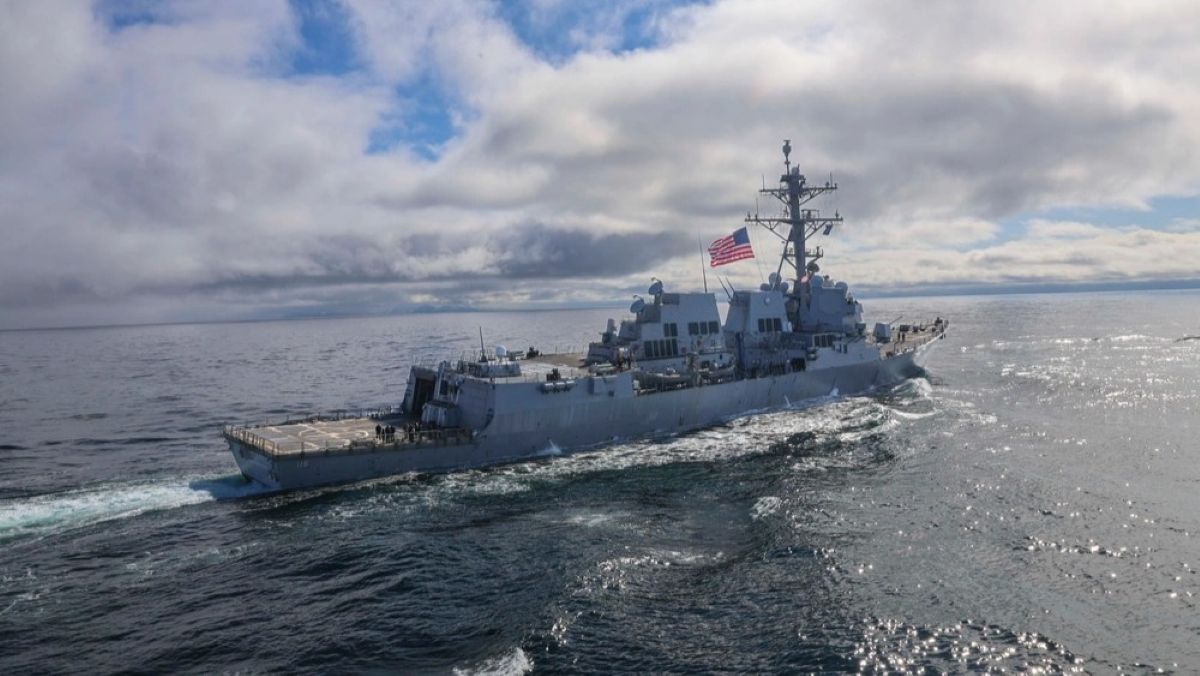
- President Trump announced Monday that the U.S. is reinstating the naval blockade on Iran, effective July 14 at 4pm ET, to prevent any ships from entering or leaving Iranian ports.
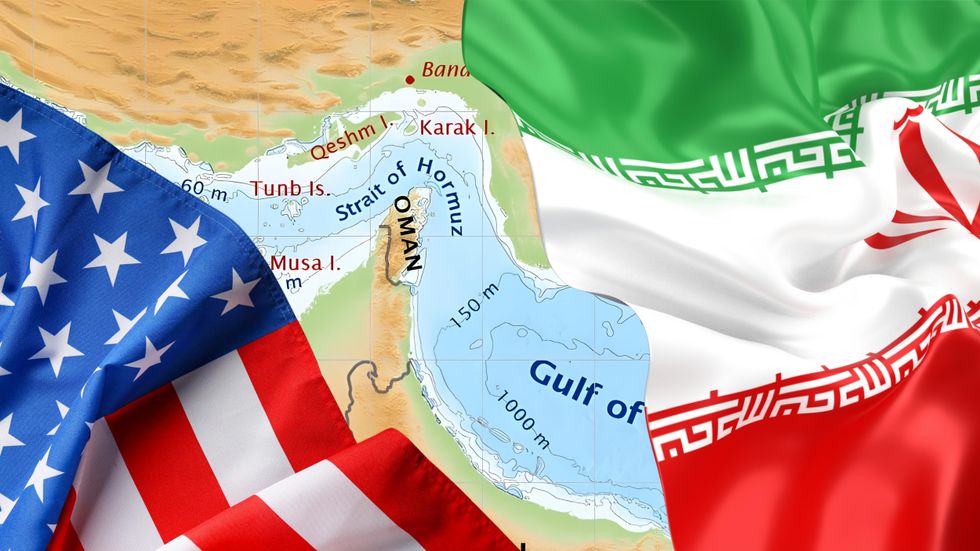
- Trump also claimed the U.S. would be "reimbursed" at a rate of 20% on all cargo shipped through the strait for providing security, and declared the U.S. would be known as "THE GUARDIAN OF THE HORMUZ STRAIT."
- The blockade marks the further unraveling of the U.S.-Iran MOU, which Trump declared "over" last week after the IRGC struck another vessel Saturday and declared the strait "closed until further notice."
- U.S. Central Command announced the blockade encompasses the entire Iranian coastline including ports and oil terminals, applies to all vessel traffic regardless of flag, and warns that non-compliant vessels are "subject to interception, diversion, and capture."
- A U.S. defense official said the military has plans for several days of additional strikes in the Hormuz area and on Iran's southern coastline to degrade the IRGC's ability to attack ships, with the southern route still open and 20+ ships transiting.
- Iranian Foreign Minister Abbas Araghchi fired back on X, saying Iran will remain "the GUARDIAN of the Strait... FOREVER" and that "20% is of course too much. We will be fair" — turning Trump's toll demand into a justification for Iran's own service-fee claims.
- A senior Gulf source told Axios the U.S. hasn't discussed possible tolls for securing the Strait of Hormuz with its regional allies, underscoring how the 20% reimbursement proposal was launched unilaterally.
Why it matters: The blockade reverses the June 17 U.S.-Iran MOU — already declared "over" last week — and militarizes the Strait of Hormuz, through which roughly a fifth of global oil flows. With CENTCOM warning that non-compliant vessels face "interception, diversion, and capture" and Iran's foreign minister countering that Iran remains the strait's "guardian," two competing claimants are now demanding payment from the same shippers.
Ask SkimNews