Australia Shark Bites Rise, Experts Cite Warming Seas — SkimNews

Get the Energy newsletter
Daily energy & climate — solar, EVs, oil, the policy fights and tech bets shaping the transition. Free.
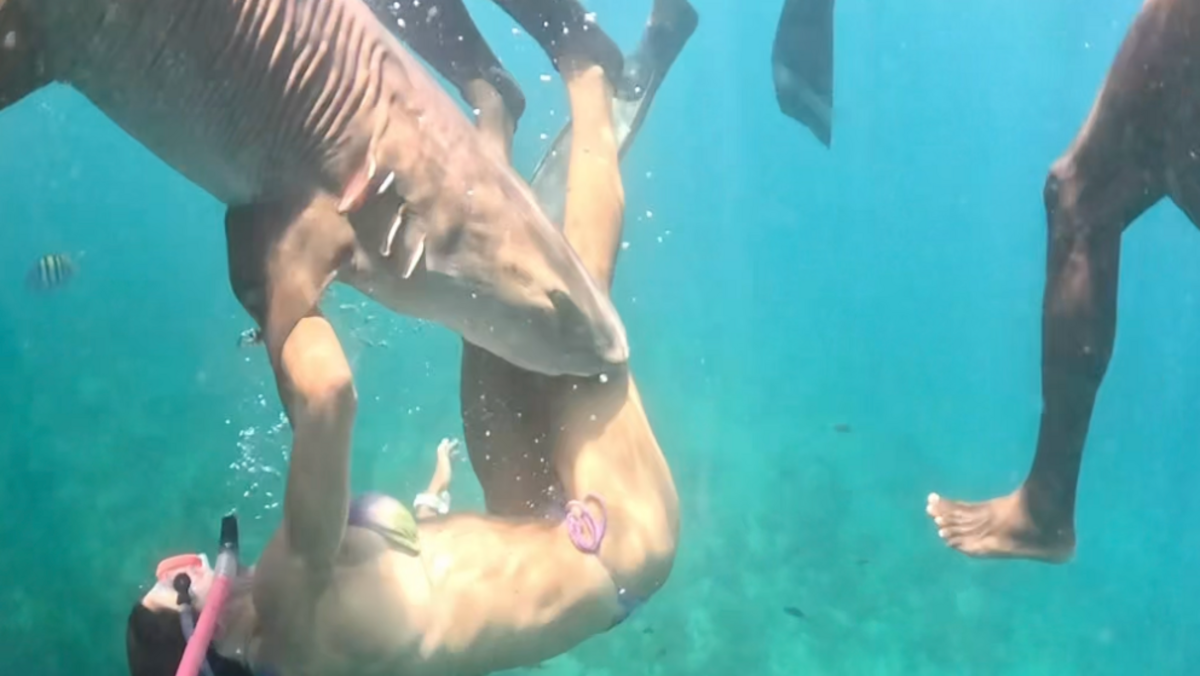
- Leah Stewart, 34, suffered a suspected great white shark bite last Saturday while swimming between the flags on a patrolled Sydney beach in clear daylight conditions; her arm was amputated and she remains critical in ICU.
- Australian Shark Incident Database figures show unprovoked shark incidents rose from an average of 3.1 per year in the 1950s, to 12 per year in the 2000s, to 21 per year this decade, with deaths climbing from 1.7 to 3.8 annually.
- Rob Harcourt of Macquarie University attributes the rise partly to warming ocean temperatures keeping bull sharks in Sydney longer, tiger sharks preferring warmer water, and recovering seal and whale populations drawing sharks closer to popular beaches.
- Tony Abbott's claim this week of more sharks in the water contradicts shark net catch data, which shows no significant change in shark numbers, Harcourt says.
- Daryl McPhee of Bond University reports four shark bite deaths have already occurred in Australia this year—matching the past five-year average—and calls the rising trend "consistent with what people are feeling."
- Corey Bradshaw of Flinders University calls shark nets "bullshit" and an "environmental catastrophe" with no evidence they reduce bites, saying they should have been pulled out 50 years ago.
Why it matters: The 21 annual incidents Australia now averages carry real human costs—Stewart's case shows even patrolled beaches with perfect conditions aren't safe—but the policy debate is running ahead of the evidence. Shark net data directly contradicts Abbott's "more sharks" claim, and Bradshaw's call to dismantle 80-year-old nets exposes a gap between public fear responses and what actually reduces bites.
Ask SkimNews