Economics Disprove Nuclear Land‑Use Advantage — SkimNews

Get the Energy newsletter
Daily energy & climate — solar, EVs, oil, the policy fights and tech bets shaping the transition. Free.
- World Nuclear Association resurfaced the nuclear land‑use claim in late 2025, framing it as a biodiversity benefit, while the Nuclear Energy Institute has long promoted the same comparison.
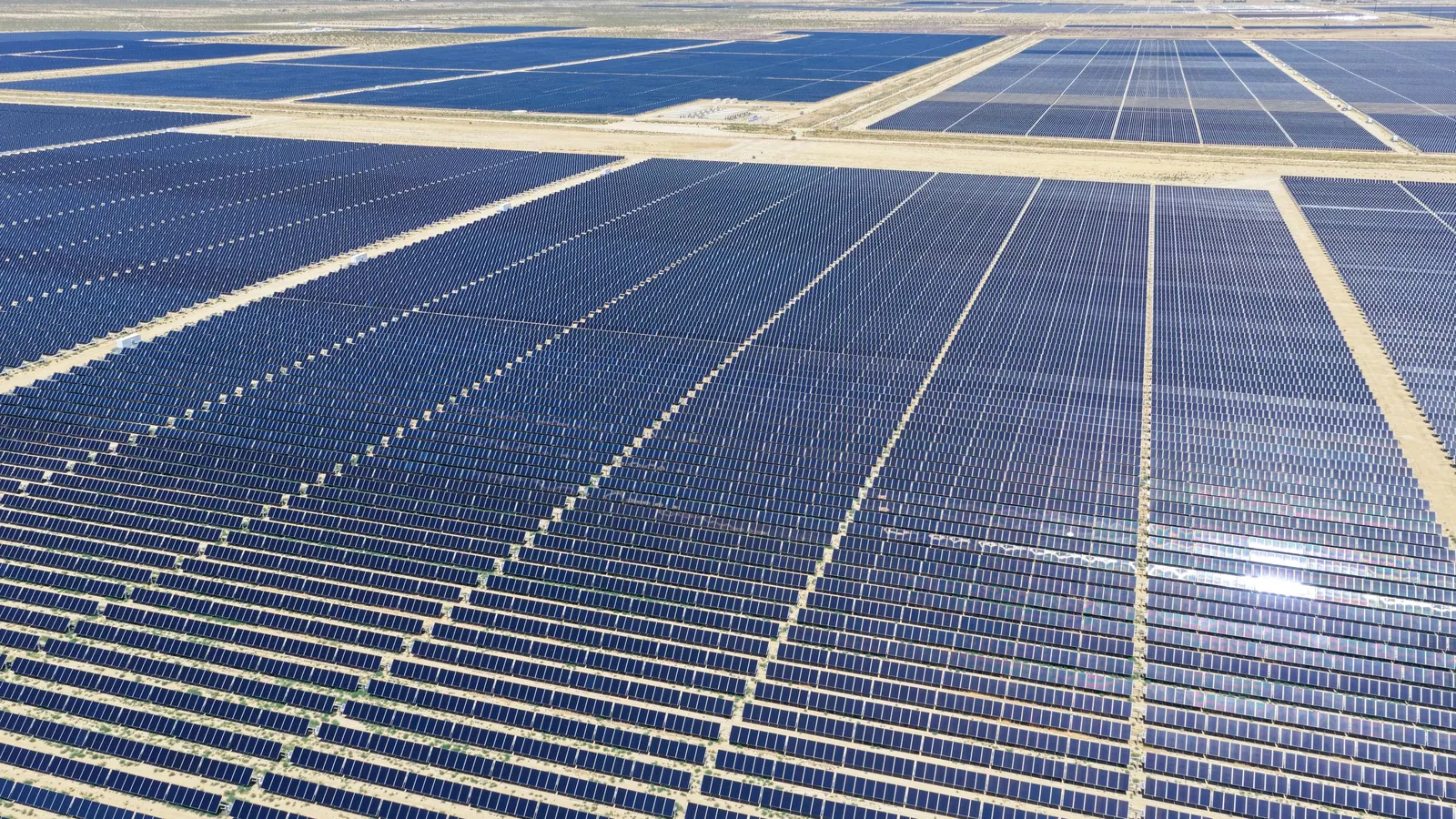
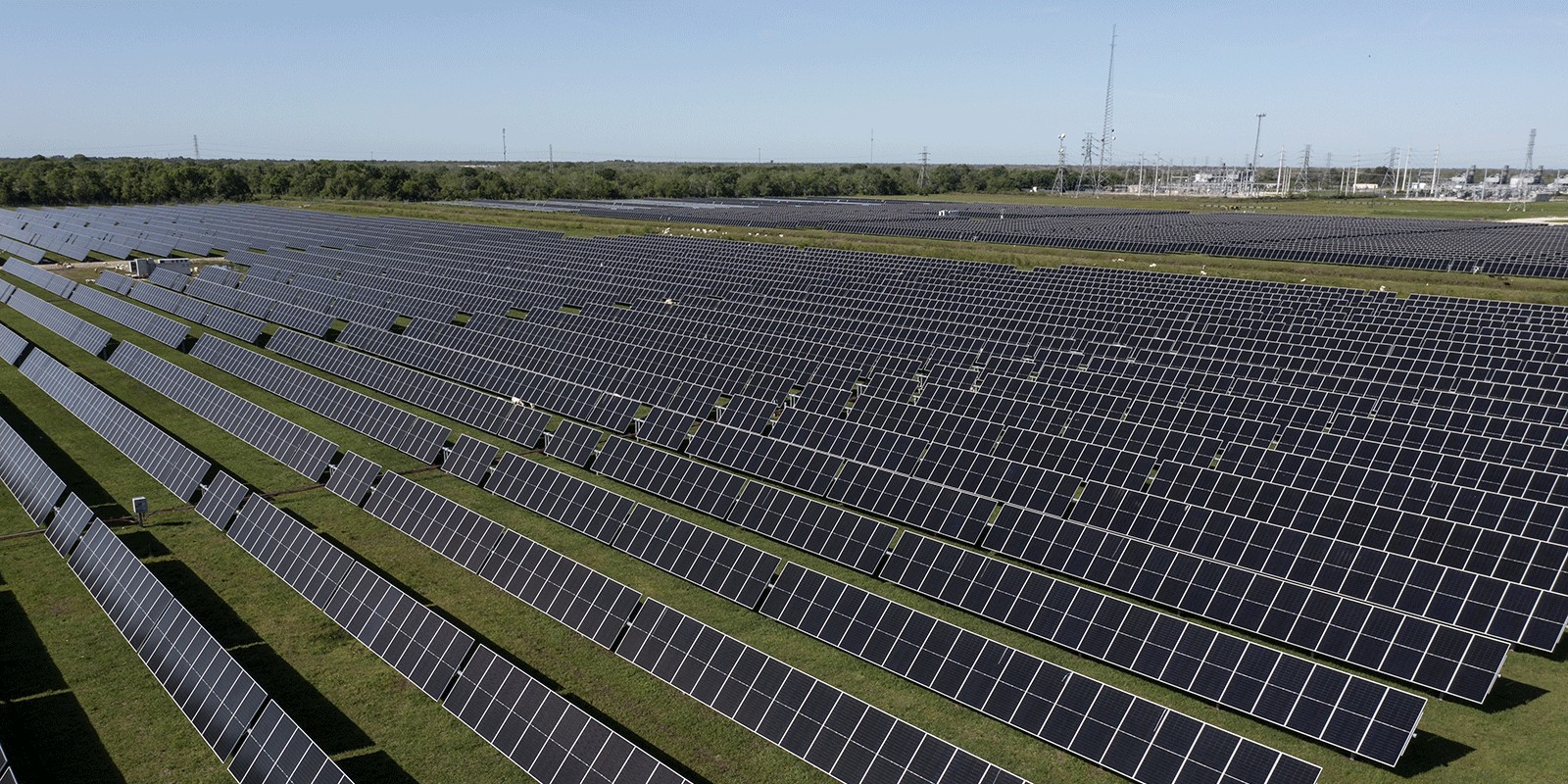
- Economic analysis shows that land costs for a 100 MW solar farm amount to about $1.70 /MWh, whereas nuclear financing and construction delays add tens to hundreds of dollars per MWh.
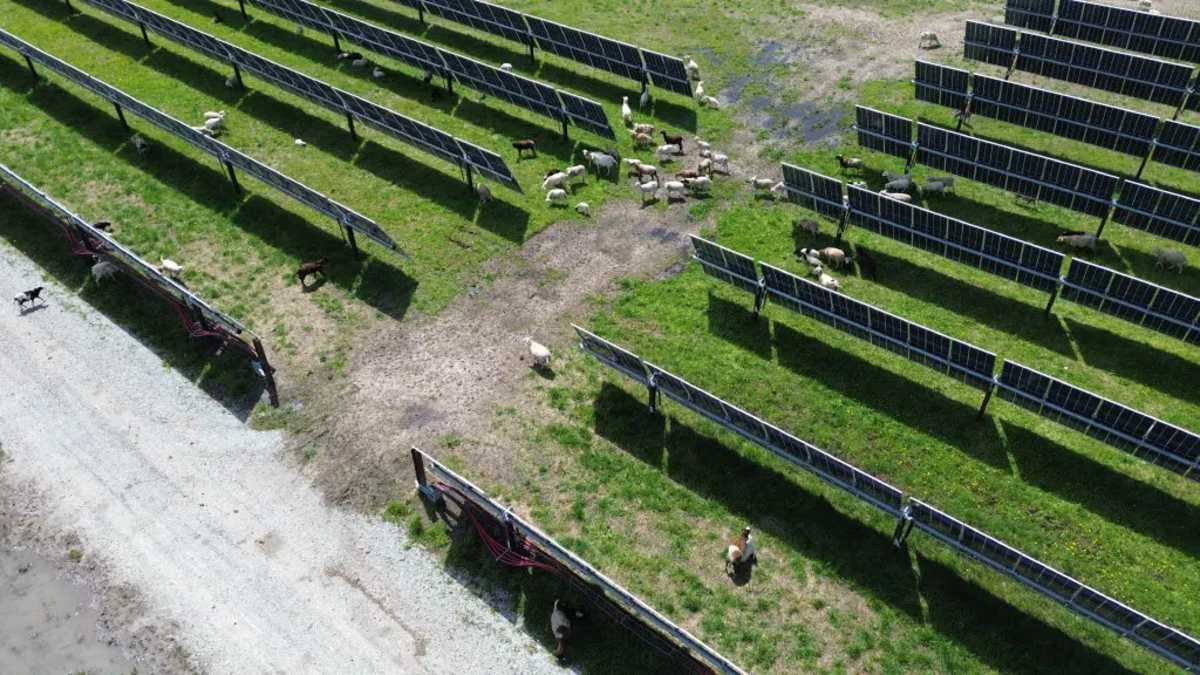
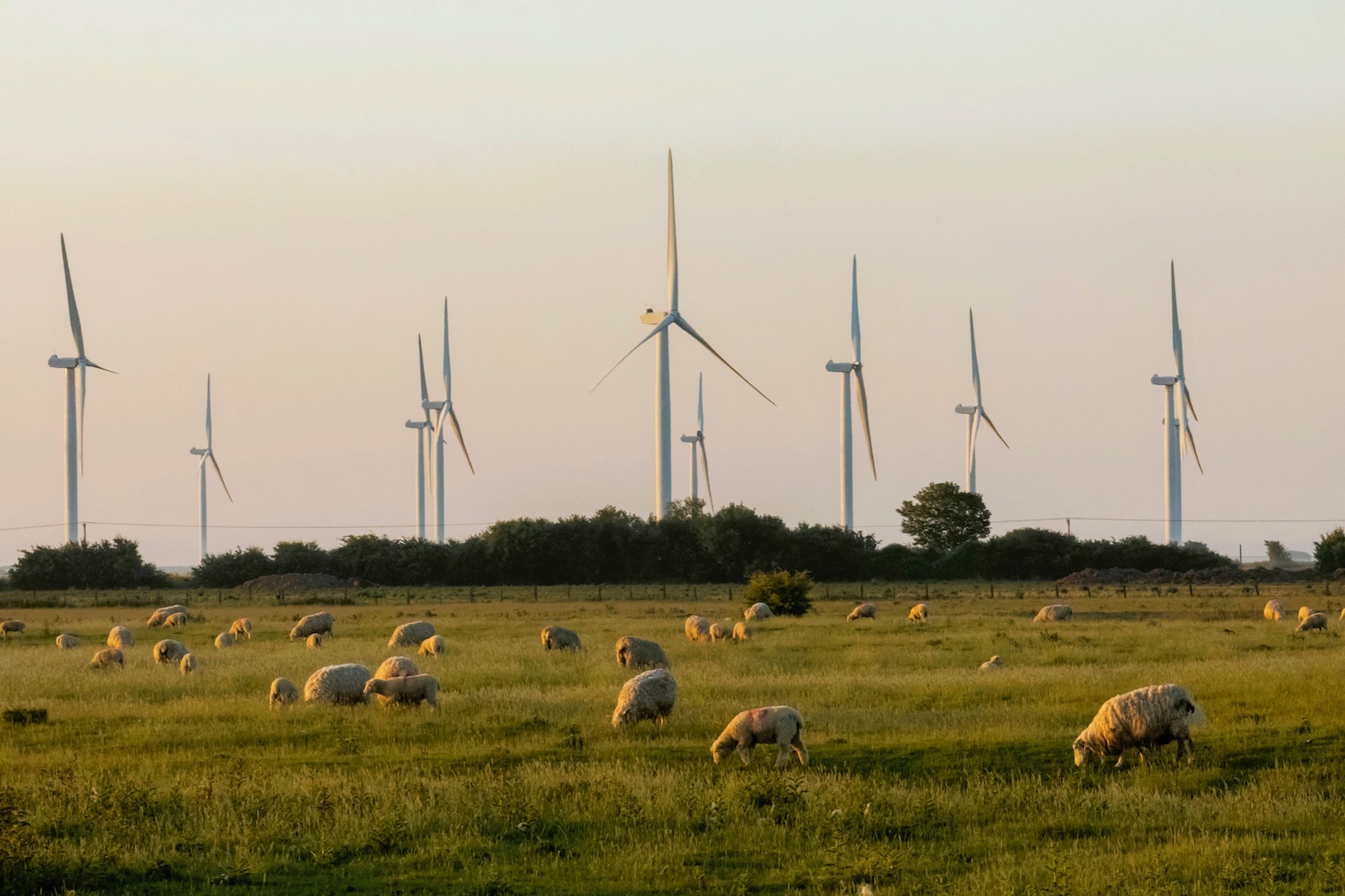
- Land‑use definitions are mixed up: wind turbines occupy large geographic areas but most of that land remains farmed, and solar can be sited on rooftops, parking lots, brownfields, and other disturbed sites.
- U.S. wind‑energy thought experiment estimates that the dedicated footprint of turbines and supporting infrastructure needed to power the entire country would be ~5,000 km² (0.055 % of U.S. land).
- Utility‑scale solar currently uses about 336,000 acres, roughly 0.07 % of U.S. prime farmland, far less than the total 897 million acres of farmland.
- IEA 2025 report predicts that expanding renewables could require up to 600,000 km² of new land by 2030 and 2 million km² by 2050, but advises steering development away from sensitive biodiversity zones.
- Nature Communications Earth & Environment paper finds that a high‑renewables pathway would use more land than a business‑as‑usual scenario, yet emphasizes that coordinated planning and exclusions can mitigate siting conflicts.
Why it matters: The analysis reveals that land expenses form a negligible share of electricity price, nullifying nuclear’s touted size advantage and confirming that wind and solar remain cheaper even after accounting for land. This shifts the debate from footprint to economics, affecting investors, regulators, and energy planners who have been swayed by the compact‑footprint narrative.
Ask SkimNews