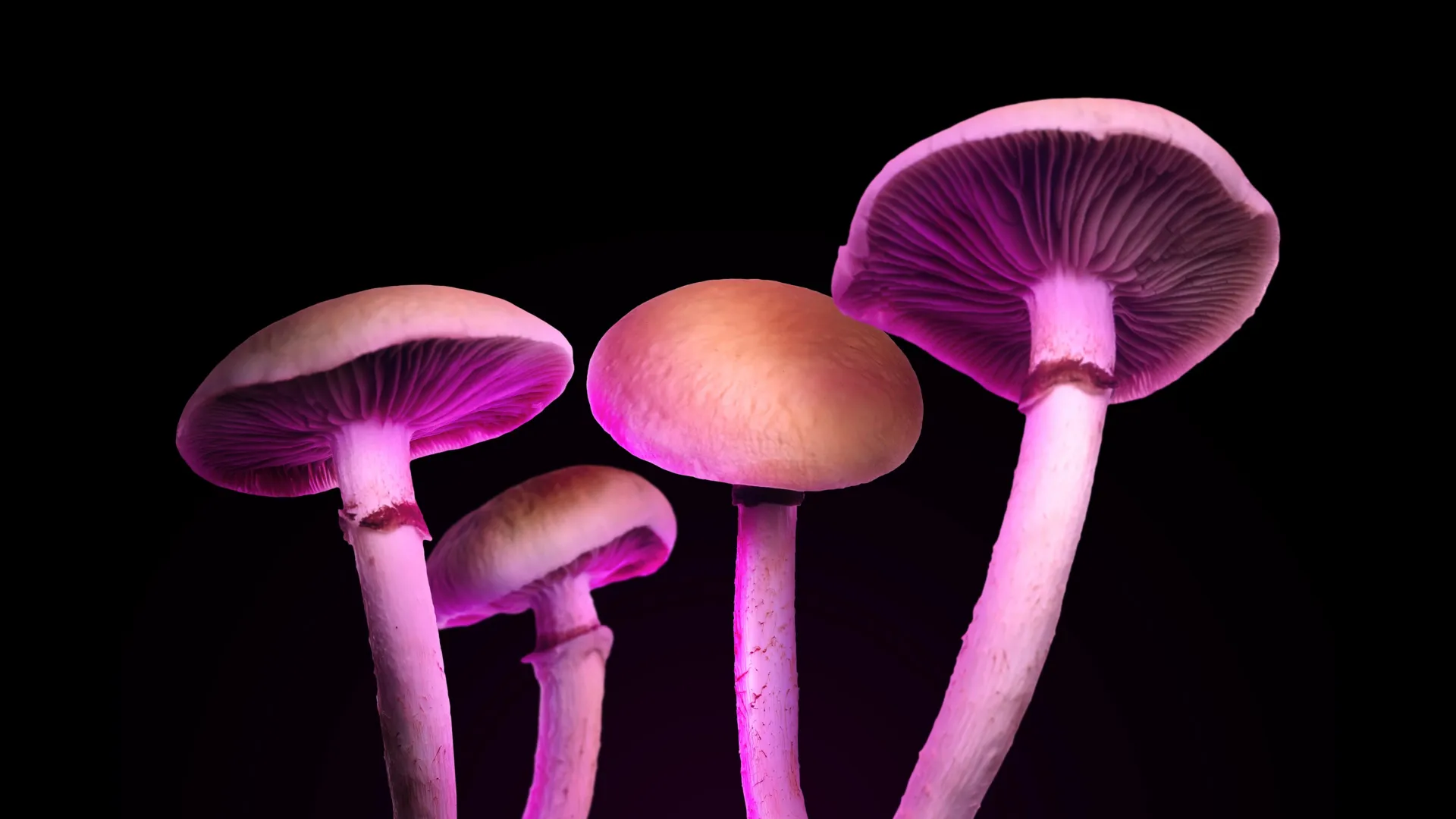
A new “magic mushroom” drug could treat depression without psychedelic hallucinations
Why it matters: A non‑hallucinogenic psychedelic could make safe, fast‑acting depression treatment widely accessible.
- Andrea Mattarei (ACS study co‑author) says the work supports the view that psychedelic and therapeutic serotonin actions can be separated.
- Sara De Martin, Paolo Manfredi, and team created five psilocin derivatives; 4e showed the best stability and slow‑release profile in lab and mouse tests.
- The broader scientific community has long noted psilocybin’s promise for depression, anxiety, and neurodegeneration, but hallucinations limit clinical adoption.
- Human‑plasma and gut‑absorption models confirmed that the new compounds reach the brain gradually, a key factor in reducing hallucinogenic side‑effects.
Researchers have engineered five psilocin analogues that preserve antidepressant activity while dramatically reducing hallucinogenic effects, offering a non‑psychedelic route to treat depression and other serotonin‑linked brain disorders. Early mouse data and human‑plasma simulations point to a promising lead, 4e, that could bring psychedelic‑derived therapies into mainstream medicine.