Breaking it down: how to limit the environmental impact of your body after death
Get the Energy newsletter
Daily energy & climate — solar, EVs, oil, the policy fights and tech bets shaping the transition. Free.
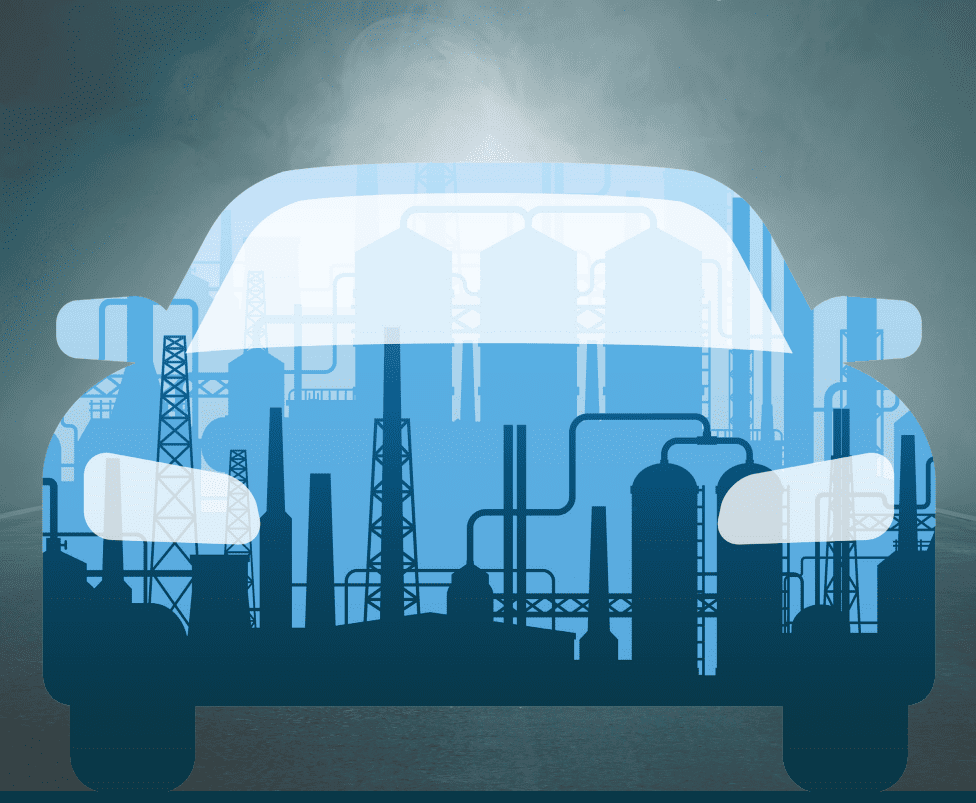
- PlanetMark found a typical gas cremation releases emissions equivalent to about 125kg of CO2, including methane, nitrous oxides, sulphur dioxide, volatile organic compounds and vaporised mercury from tooth fillings—roughly the pollution from driving a Ford Ranger from Melbourne to Canberra.
- Natural burials involve minimal preparation, with the body placed in a biodegradable shroud or coffin at shallow depth and left to decompose into surrounding soil over a decade, producing negligible greenhouse gas release compared with cremation or conventional burial.
- Aquamation (also called resomation or alkaline hydrolysis) submerges the body in an alkaline solution that breaks it down within hours, leaving only powdered bones for the family—described as a more "pure" decomposition than gas cremation, though availability outside the US remains limited.
- Independent NSW MP Alex Greenwich introduced a bill to NSW parliament this week to legalise terramation (human composting), which would place bodies in a vessel with organic material, microbes or fungi and slowly convert them into compost.
- Coffin choice dramatically changes a funeral's footprint: cremating a mahogany veneer coffin with plastic handles and lining releases more than 170kg of emissions, versus under 10kg for a cardboard coffin with rope handles and just 0.3kg for a biodegradable bag.
- Funerals Australia, working with former funeral director and national councillor Sharyn Moll, published an industry sustainability guide last year—Moll says demand for greener practices is largely coming from the industry itself rather than consumers.
- Dr Kate Falconer (University College Cork) and Dr Domenic Trimboli (Curtin University) both identify Australians' habit of delaying funeral decisions until after a loved one's death as the main barrier to greener outcomes, with grieving executors defaulting to traditional cremation or burial.
Why it matters: The 125kg-per-cremation figure—equivalent to a Ford Ranger trip from Melbourne to Canberra—gives consumers, regulators and funeral directors a concrete benchmark for deathcare's hidden carbon cost. With Alex Greenwich's NSW terramation bill now before parliament and Funerals Australia's own sustainability guide already published, both the legislative and supply-side groundwork for greener alternatives is actively being laid by the industry itself.