Trump opens Hormuz lane, Iran fires missiles

SkimNews Take
The U.S. push to open the Strait of Hormuz, despite a courtroom rebuke, suggests a prioritization of the shipping lane's immediate access over established legal processes, escalating tensions amidst broader regional maritime pressures and domestic oil inventory drops.
Get the Geopolitics newsletter
Daily geopolitics — wars, elections, sanctions, the diplomatic moves that move markets. Free.
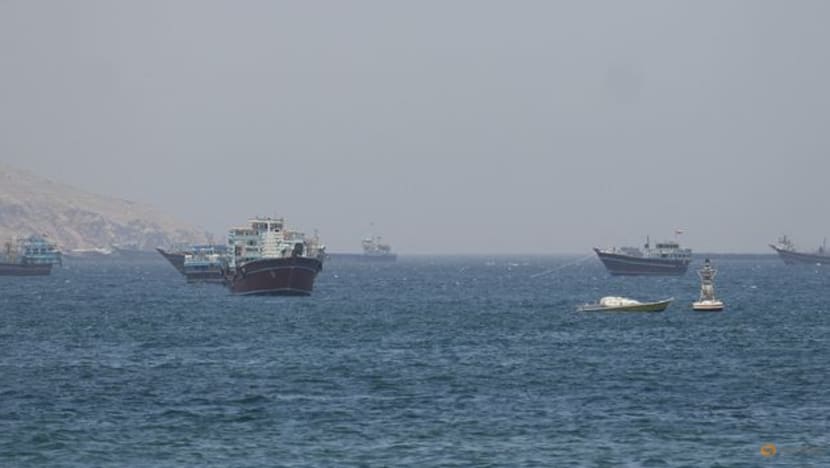
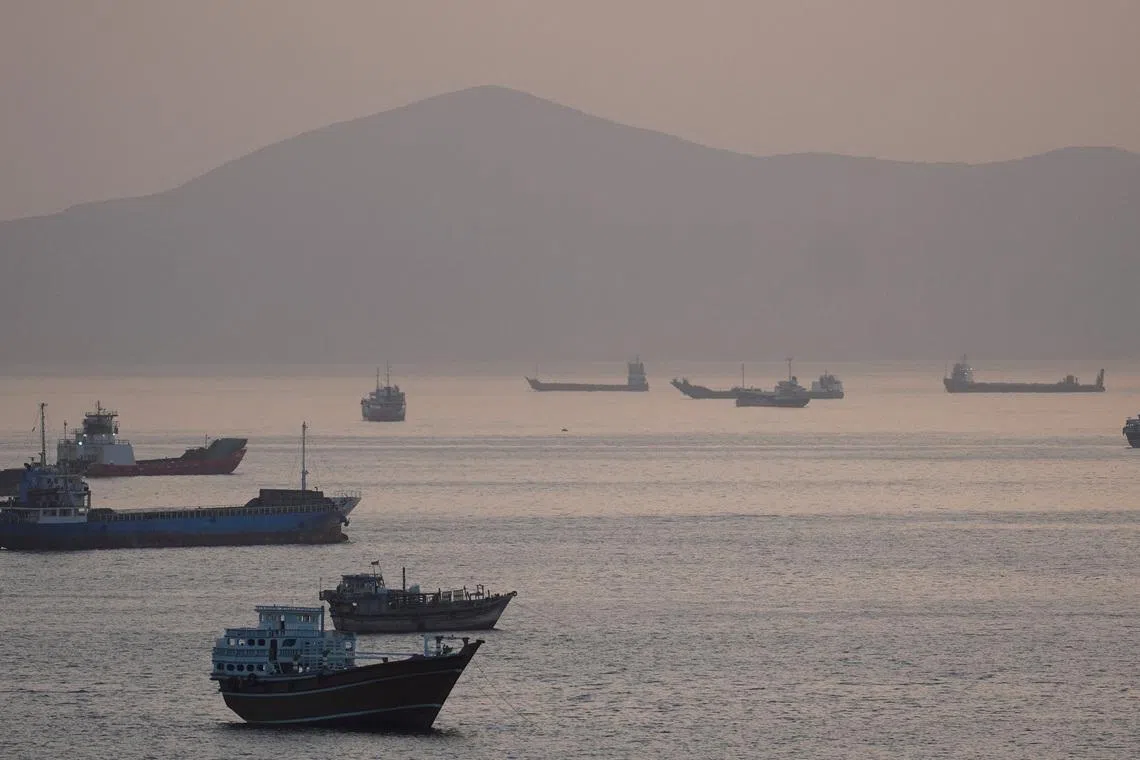
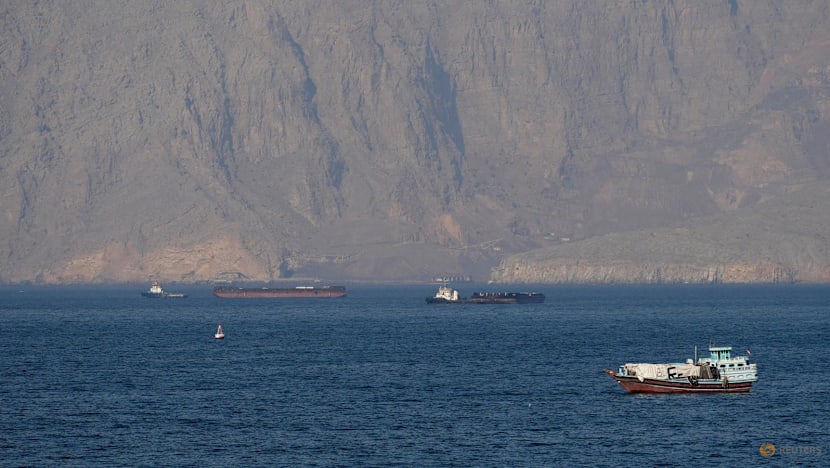
- Trump announced an initiative to guide commercial vessels through the Strait of Hormuz starting Monday morning, while Iran warned it would fire on ships not coordinating with its military.
- Adm. Brad Cooper reported that after the U.S. began the operation, Iran fired cruise missiles at Navy ships and drones at commercial vessels, all were "engaged" and no U.S. Navy or U.S.-flagged ships were hit.
- U.S. forces eliminated six Iranian small boats, including using military helicopters, during the operation.
- U.S. Navy helped two U.S.-flagged merchant vessels cross the strait, with multiple destroyers positioned in the Gulf to assist additional crossings.
- IRGC denied any ships had passed through the strait as of Monday morning and warned that any maritime activity contradicting its declared principles would face serious risks and be stopped by force.
- U.S. Treasury Secretary Scott Bessent told Fox News the U.S. military had "absolute control" of the waterway, as the administration prepared a UN Security Council resolution to condemn Iran’s sea mines and "toll booths" and to enable de‑mining by countries such as Germany and Scandinavian nations.
Why it matters: The operation gives the United States a tactical foothold in the Hormuz waterway, allowing it to claim “absolute control” and protect its flagged ships, while Iran’s missile attacks and IRGC warnings raise the risk of broader conflict and threaten commercial shipping, potentially disrupting global oil flows.
Ask SkimNews