US Icebreaker Build Echoes Cold War Missile Gap
Get the Geopolitics newsletter
Daily geopolitics — wars, elections, sanctions, the diplomatic moves that move markets. Free.
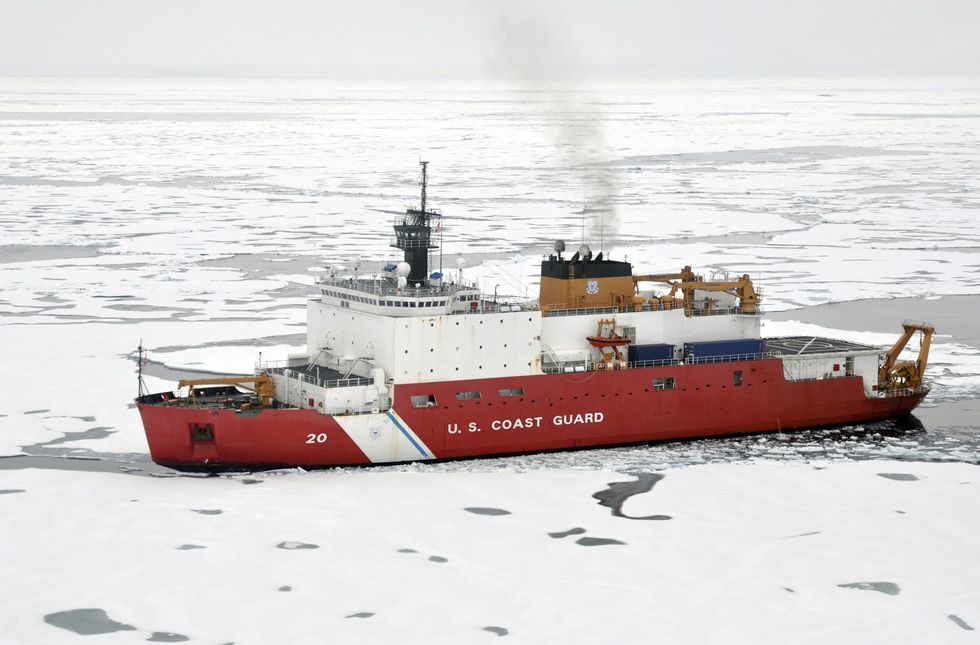
- U.S. Coast Guard finalized $3.3 billion in contracts on July 3 for six new Arctic Security Cutters, with four to be built in Louisiana and two in Finland, while the Trump administration announced another $3.5 billion in May contracts for five cutters in Texas and Canada
- Rep. Carlos Gimenez argued at a March House Homeland Security Committee hearing that "the U.S. cannot afford to fall behind Russia and China" in Arctic icebreakers, and Sen. Dan Sullivan said in January "We have two (icebreakers). One is broken and the Russians have 54"
- Icebreaker Collaboration Effort (ICE Pact) is a 2024 trilateral partnership between the U.S., Canada, and Finland that the Trump administration has reframed from its Biden-era industrial-partnership origins into an assertion of explicit "Arctic dominance"
- Russian Arctic coastline accounts for roughly 6% of Russia's GDP and 10% of its exports, with about 2.5 million residents compared to roughly 50,000 in the U.S. Arctic — most Alaska Native communities like Utqiaġvik, Kotzebue, and Nome that depend on icebreakers for fuel, food, and medicine
- Senators Mike Lee and Jeanne Shaheen introduced the Arctic Security and Diplomacy Act in June requiring advance approval for foreign marine research in U.S. waters, citing espionage risks, while China launched its 16th Arctic scientific expedition on July 3 with three icebreakers
- Arctic is warming at roughly four times the global average, collapsing permafrost and creating new maritime hazards, while U.S. officials last year were quietly exploring leasing Russian nuclear icebreakers to support Alaska energy projects
Why it matters: With $6.8 billion in icebreaker contracts already signed and Alaska's roughly 50,000 Arctic residents — a majority Alaska Native — relying on the ships for essentials, the framing decision now could determine whether procurement tracks operational need or competitive anxiety, echoing the Cold War "missile gap" perception that drove U.S. missile stockpiles later shown to be overstated.