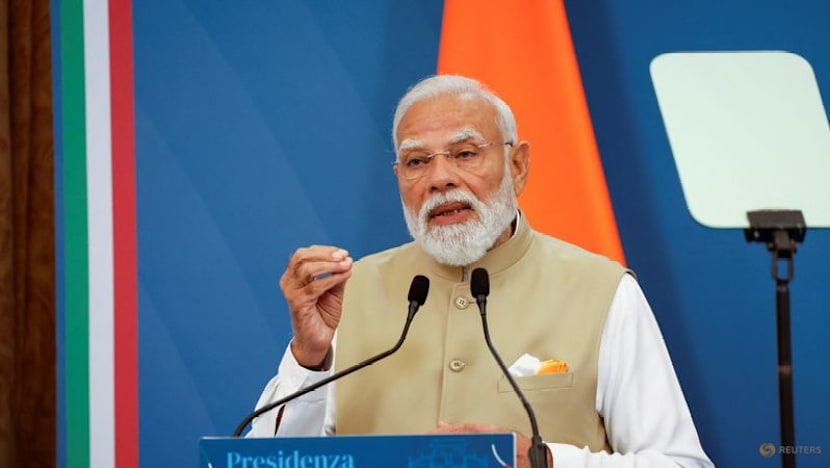
Modi expands Indo-Pacific ties amid China rise, US pullback
Get the Geopolitics newsletter
Daily geopolitics — wars, elections, sanctions, the diplomatic moves that move markets. Free.
- Modi strengthened Indo-Pacific partnerships during a three-nation tour, securing defense and energy agreements with Indonesia and Australia to bolster regional security and economic resilience.
- India and Australia agreed to expand cooperation on civil nuclear energy, with Australia supplying uranium and launching joint initiatives on critical minerals and technology supply chains.
- China conducted a nuclear-capable ballistic missile test in the Pacific just before Modi’s arrival in Indonesia, drawing regional concern and highlighting rising military tensions.
- Australia and Fiji signed a defense pact called the 'Ocean of Peace' in July, marking Suva’s first formal security alliance and signaling deeper regional cooperation, with New Zealand planning to join.
- Modi and Albanese discussed China’s missile launch during their bilateral meeting on July 9, with both sides agreeing to intensify cooperation to maintain peace and stability in the Indo-Pacific.
- New Zealand Prime Minister Luxon endorsed the formation of 'mini-latticeworks' among like-minded countries, citing coordination with India as part of a broader strategy to advance national interests amid strategic competition.
Why it matters: As U.S. influence recedes and China's military activity grows, regional powers are forging new security and economic arrangements outside major alliances. India’s bilateral deals with Australia and others directly reduce reliance on China for critical resources and defense inputs, altering the balance of strategic dependency across the Indo-Pacific.