Supreme Court blocks Roundup cancer suits against Bayer — SkimNews

Get the Health newsletter
Daily health & science — research, biotech, public health, the studies worth knowing. Free.
- The Supreme Court ruled 7-2 that Bayer cannot face failure-to-warn lawsuits in state courts over Roundup because federal regulators found a cancer link unlikely and do not require a warning label, a decision expected to block thousands of pending claims.
- Bayer said the ruling 'is good for science, farmers, and industries that depend on regulatory clarity' and should help contain Roundup litigation after nearly a decade of legal battles.
- Missouri resident John Durnell, who developed non-Hodgkin's lymphoma after more than 20 years as his neighborhood's 'spray guy,' had won a $1.25 million jury verdict that the ruling now blocks.
- Bayer has set aside $16 billion to settle Roundup cases and recently proposed a $7.25 billion class-action settlement, to which it says it will proceed despite the Supreme Court win.
- Bayer has stopped using glyphosate in U.S. residential Roundup products and warned it might pull glyphosate from U.S. agricultural markets if litigation continues.
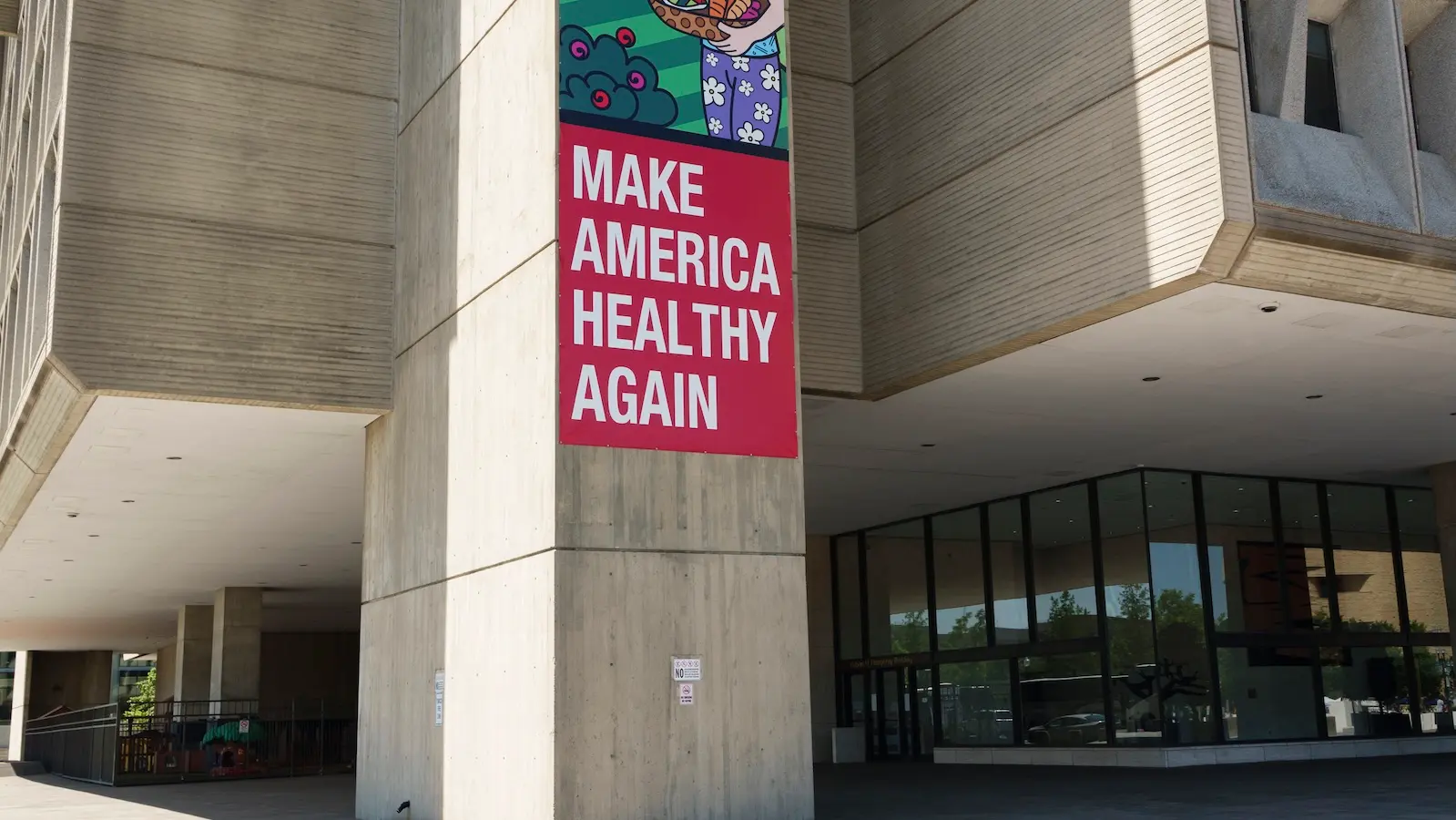
- The ruling deepens a rift with Health Secretary Robert F. Kennedy Jr.'s MAHA movement, since Kennedy has repeatedly said glyphosate causes cancer even while backing an executive order boosting its production.
- The World Health Organization's IARC classified glyphosate as 'probably carcinogenic' in 2015, while the EPA has determined it is not likely to cause cancer in humans when used as directed — the core scientific split the ruling favors the EPA on.
Why it matters: The ruling shields Bayer from roughly 200,000 Roundup-related claims and locks in the EPA's position that glyphosate is not likely carcinogenic, but it pits the Trump administration against its MAHA base, which insists the chemical is dangerous. Bayer still faces a proposed $7.25 billion class-action settlement and has warned it could pull glyphosate from U.S. agriculture entirely if lawsuits keep coming.
Ask SkimNews