US Inflation Drops to 3.5% on Gas Prices — SkimNews

Get the Finance newsletter
Daily finance — markets, central banks, M&A, the prints that move money. Free.
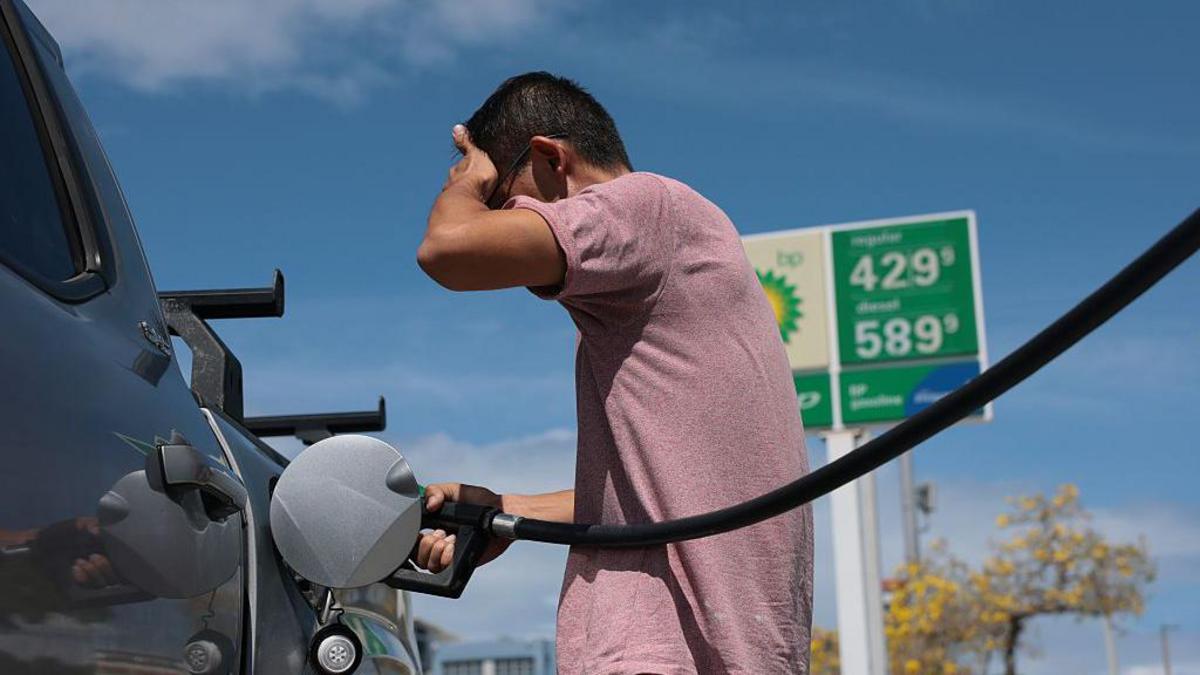
- U.S. inflation fell to 3.5% in the year to June, down from 4.2% in May, driven by a 9.7% monthly drop in gasoline prices, according to the Bureau of Labor Statistics.
- Brent crude surged $10 in 24 hours to $87 per barrel following U.S. military strikes on Iran, erasing earlier energy price declines that had eased inflation.
- Kevin Warsh, Federal Reserve chairman, told Congress the central bank has 'no tolerance for persistently elevated inflation' and reaffirmed its commitment to restoring price stability.
- Core inflation, excluding food and energy, held steady at 2.6% in June, a figure Federal Reserve officials like Christopher Waller say could prompt rate hikes if it remains elevated.
- President Trump has publicly pushed for interest rate cuts to lower borrowing costs, but Warsh emphasized the Fed’s independence, stating, 'My goal is for there to be no politics.'
Why it matters: The Fed faces rising pressure as falling gas prices temporarily ease inflation, but oil’s rebound and sticky core costs mean rates may stay high despite political demands for cuts. This puts households and small businesses—over 20% of which cite inflation as their top problem—at risk of prolonged financial strain.
Ask SkimNews