White House’s ‘Drill Baby Drill’ Wartime Mandate Meets Volatile Market Reality
Why it matters: Geopolitical conflict is creating unprecedented energy market volatility, forcing a reckoning between policy and market realities.
- Energy Secretary Chris Wright issued a blunt directive to major oil and gas producers to increase output immediately, amidst a significant energy-supply shock.
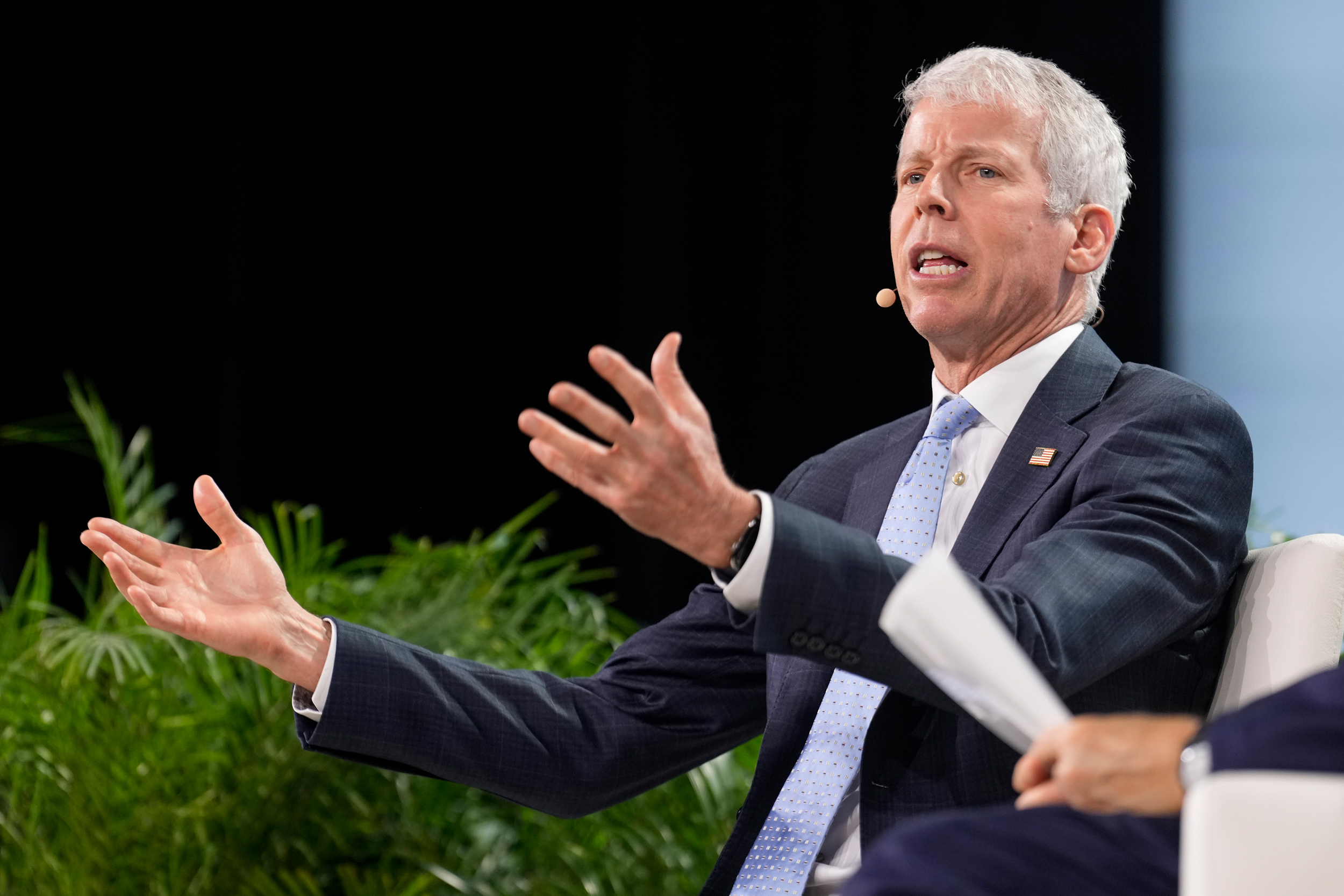
- Oil giants and CEOs, including Chevron's Mike Wirth, are resisting the White House's push, warning that geopolitical instability has decoupled energy prices from fundamentals, making them hesitant about long-term investments.
- Brent crude is trading at $101-$103 a barrel, with U.S. gas prices nearing $4 a gallon, yet Chevron CEO Mike Wirth suggests the full economic pain from supply disruptions, like the Strait of Hormuz closure, has not yet hit oil futures prices.
- President Trump's administration is defending its actions, including a five-day extension of a threat to strike Iranian power plants, a shipping law waiver, and strategic oil reserve releases, while maintaining 'drill baby drill' as its mantra for increasing production.
- The Strait of Hormuz closure, where one-fifth of the world's oil and gas transits, is a key factor in the supply shock, with Iran denying talks with the White House despite Trump's claims of productive discussions.
The White House's 'drill baby drill' mandate for increased oil and gas production is clashing with a volatile market reality, as industry leaders express caution due to geopolitical instability and the decoupling of energy prices from supply and demand fundamentals. While Energy Secretary Chris Wright urges immediate production hikes amid a major energy-supply shock caused by Middle East conflict, oil giants like Chevron are wary of long-term investments, citing market uncertainty and the potential for further price surges not yet reflected in current futures.