Spin-flip emitters could control energy pathways in singlet fission solar cells
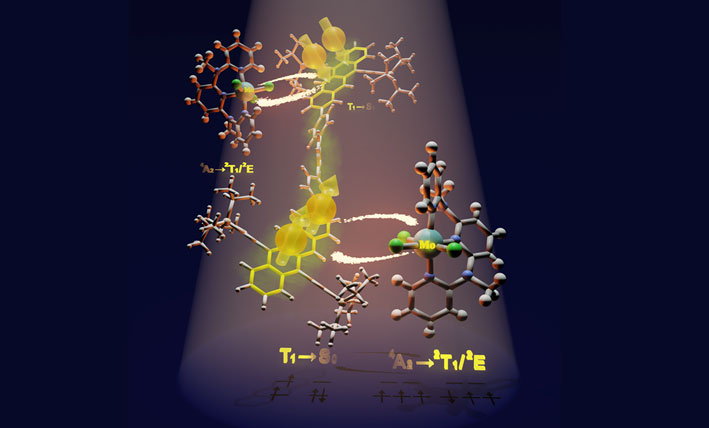
Why it matters: This could boost solar cell efficiency and enable new quantum technologies by converting lost energy.
- Japanese researchers developed a molybdenum-based spin-flip emitter.
- The emitter efficiently harvests triplet excitons from singlet-fission tetracene dimers.
- This process produces strong near-infrared emission, converting otherwise wasted energy.
Japanese researchers have engineered a molybdenum-based spin-flip emitter that efficiently converts triplet excitons from singlet-fission tetracene dimers into strong near-infrared light. This innovation promises to enhance solar cell efficiency by harvesting previously lost energy and could unlock new quantum technologies.