‘Why take those jobs away?’: the unionized workers decrying Trump’s war on wind — SkimNews

Get the Energy newsletter
Daily energy & climate — solar, EVs, oil, the policy fights and tech bets shaping the transition. Free.
- Trump administration has paid more than $2.6bn to buy out wind energy leases after abandoning a broader legal challenge in June, including $765m to Invenergy for four projects in California, New York, and Maine, and nearly $900m to Bluepoint Wind and Garden State Wind to cancel offshore leases in New York and California.
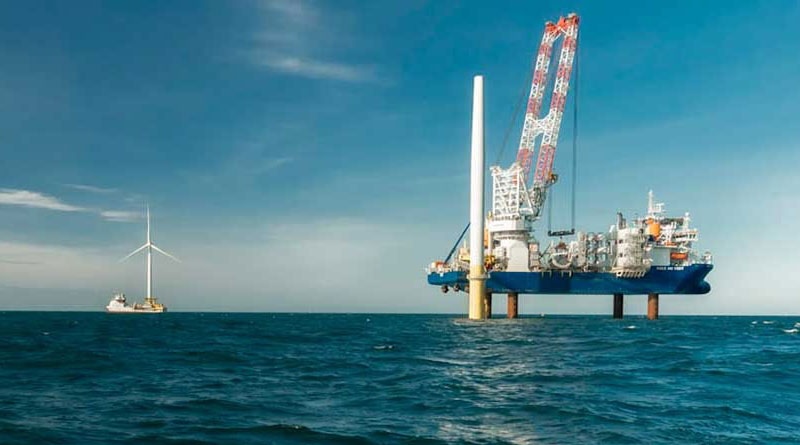
- Revolution Wind, powered by 1,000+ local union workers and now over 90% complete, began delivering power to New England in March and is expected to power more than 350,000 homes and businesses — despite two stop-work orders from the Trump administration.
- Federal courts issued injunctions blocking the Revolution Wind stop-work orders in September and January, and Rhode Island AFL-CIO president Pat Crowley says the administration has now lost five court challenges in the state: "We're five for five taking on the Trump administration."
- Thomas Kilday, an IBEW Local 99 furnace electrician, was mid-shift on a 28-day rotation aboard an Atlantic vessel in August when the first stop-work order hit, leaving workers uncertain about pay and the rest of their four-week tour.
- Will Gonzalez, a Laborers' Local 385 construction laborer who worked on the now-completed Vinyard Wind 1 off Martha's Vineyard, called Trump's opposition a "personal vendetta" rooted in his years-long fight against a turbine project near his Scotland golf course.
- Department of Interior spokesperson denied any jobs were affected by the lease cancellations, claiming canceled leases "were not producing jobs in the first place" — a claim directly contradicted by the union workers quoted in the story.
Why it matters: The Trump administration has shifted from trying to kill wind projects in court — where it has lost at least five Rhode Island challenges and two federal injunctions on Revolution Wind alone — to spending $2.6bn+ in public money canceling leases, a pivot that the AFL-CIO calls "throwing money away for the sake of their ideology" while unionized electricians and laborers describe sudden income loss and stranded careers.
Ask SkimNews