Toyota Cancels Lexus LF-ZC EV; Successor Planned — SkimNews
Get the Energy newsletter
Daily energy & climate — solar, EVs, oil, the policy fights and tech bets shaping the transition. Free.
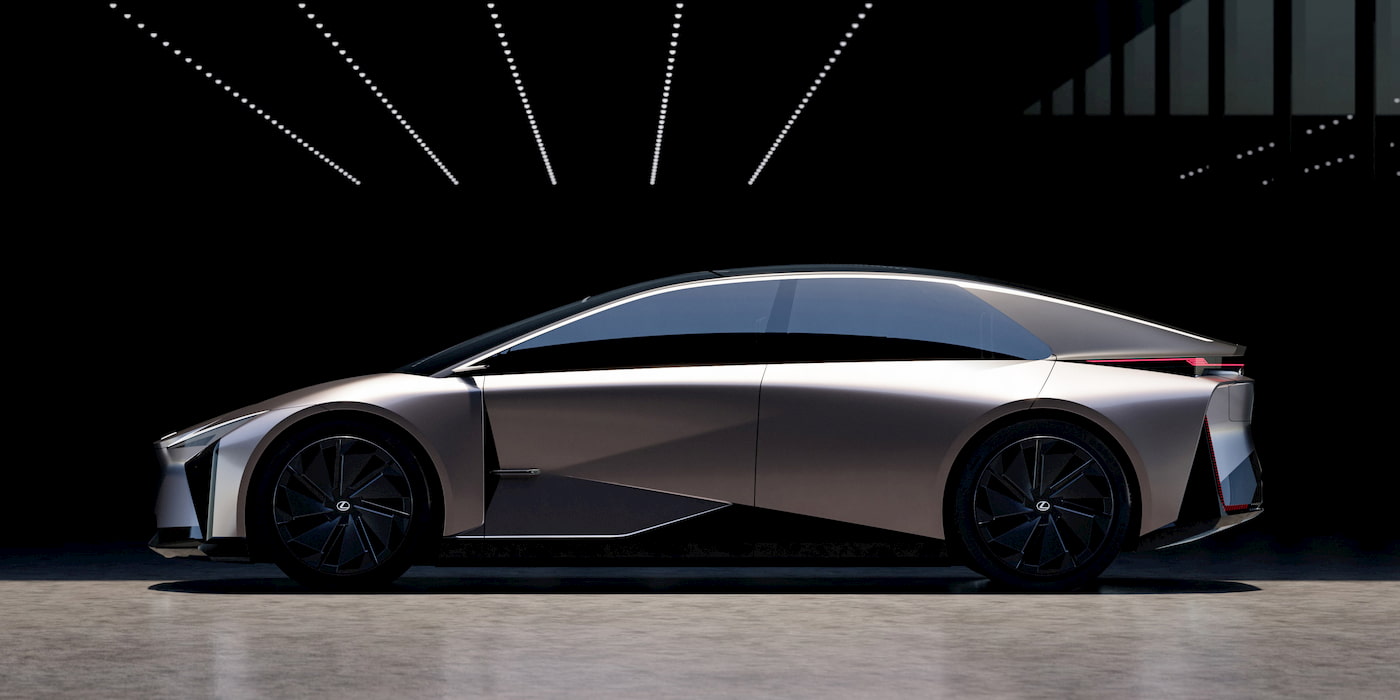
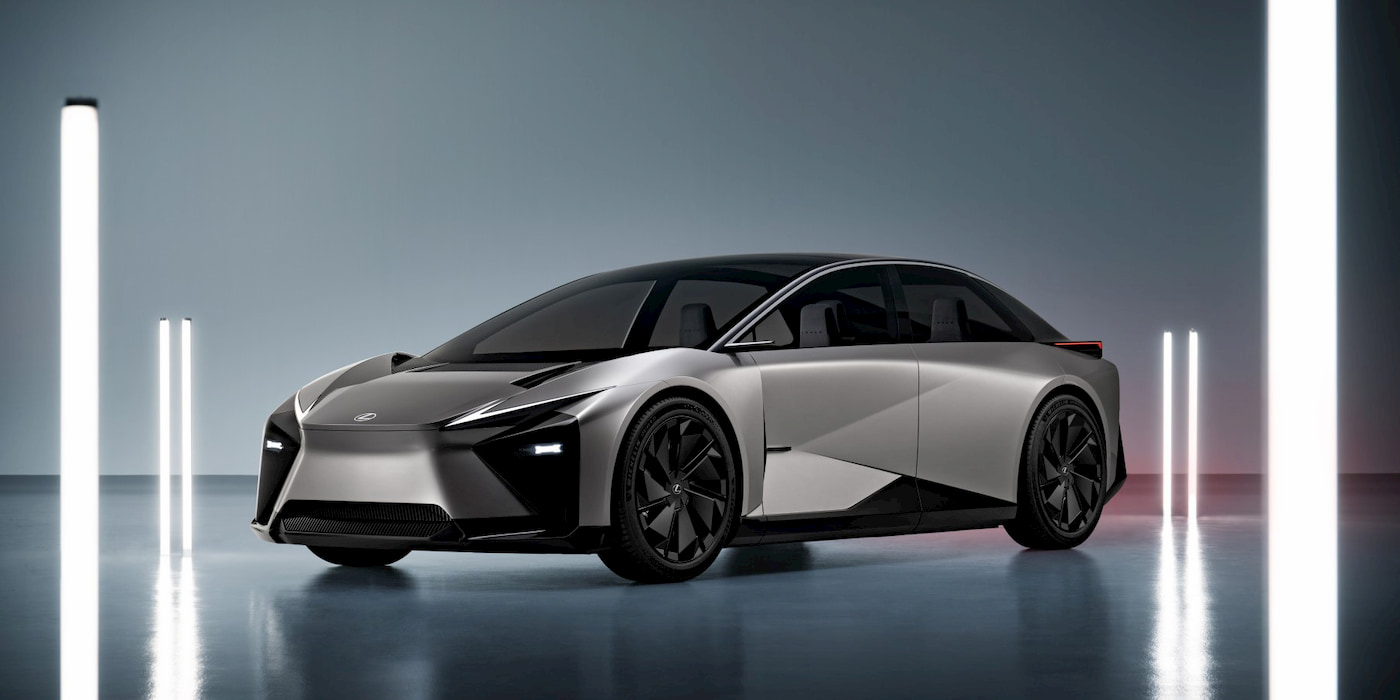
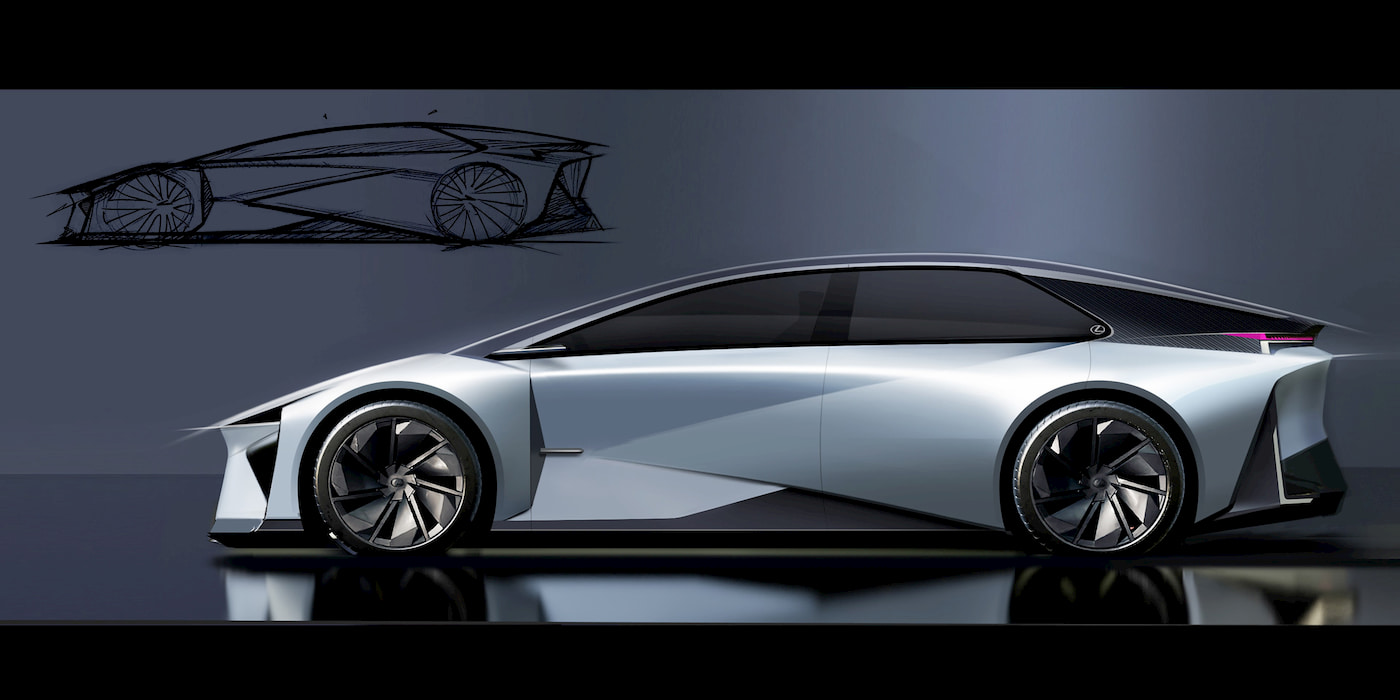
- Toyota discontinued development of the Lexus LF-ZC electric sedan, with executive vice president Hiroki Nakajima confirming the cancellation to Nikkei and other Japanese outlets on Tuesday.
- The LF-ZC was originally slated for 2026 production, later pushed to mid-2027, and was expected to enter production as early as this year before being scrapped.
- Toyota cited the molds and production equipment as too expensive, while stressing that technologies built for the car — gigacasting, a new electrical/electronic ADAS platform, and miniaturization/weight reduction — are complete and ready for mass production.
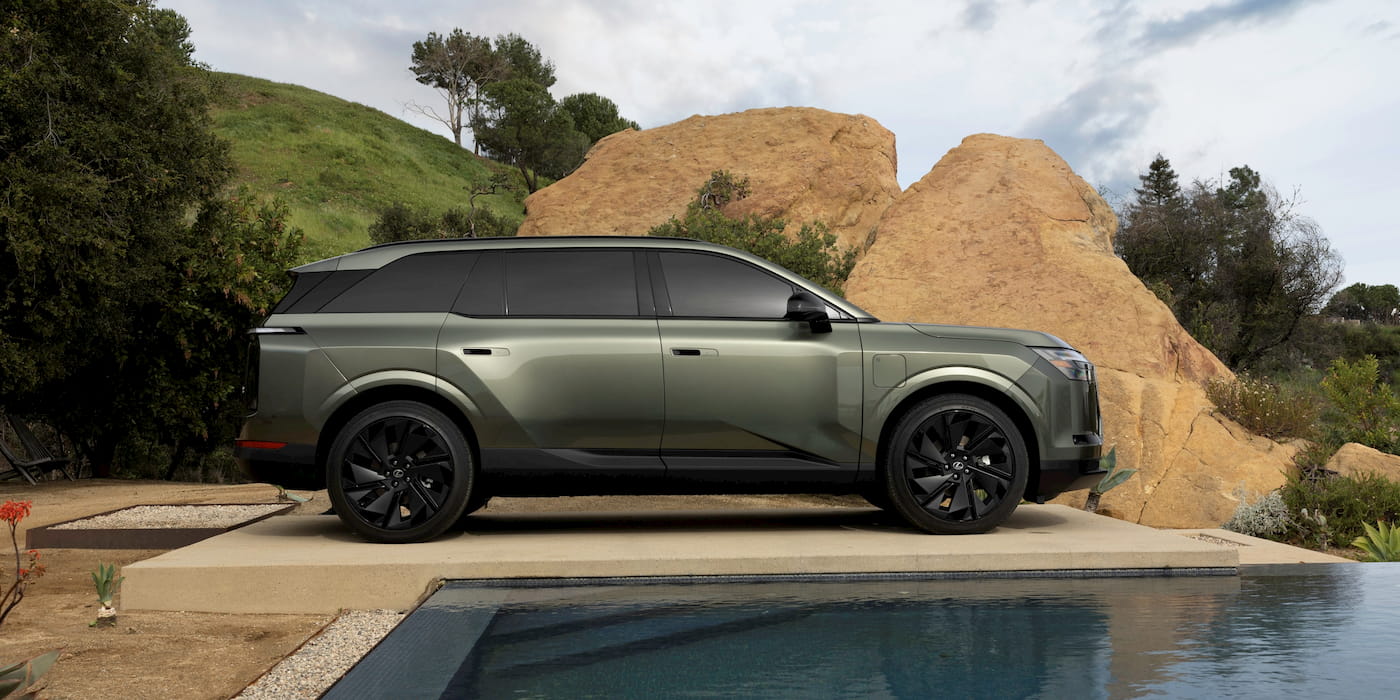
- The company is now developing a successor vehicle to use those technologies, with the reported strategic shift pointing toward SUVs over sedans.
- The cancelled LF-ZC concept featured high-performance prismatic batteries targeting roughly twice the driving range of traditional lithium-ion cells and an AI-powered Intelligent Cockpit running Toyota's Arene OS.
- The sedan was central to Toyota's goal for Lexus to sell 1 million EVs by 2030 and go all-electric by 2035 — both targets now face longer odds.
- BYD CEO Wang Chuanfu said earlier this month that his company will overtake Toyota to become the No. 1 automaker globally by scale within five years, sharpening the competitive pressure on Toyota's delayed EV rollout.
Why it matters: Toyota's flagship EV cancellation directly weakens its stated path to 1 million Lexus EVs by 2030 and an all-electric Lexus lineup by 2035, while BYD's CEO publicly projects overtaking Toyota globally within five years — the gap between Toyota's announced ambitions and its shipped EVs keeps widening.
Ask SkimNews