Australia, Fiji Sign Veitacini Mutual Defense Pact — SkimNews

Get the Geopolitics newsletter
Daily geopolitics — wars, elections, sanctions, the diplomatic moves that move markets. Free.
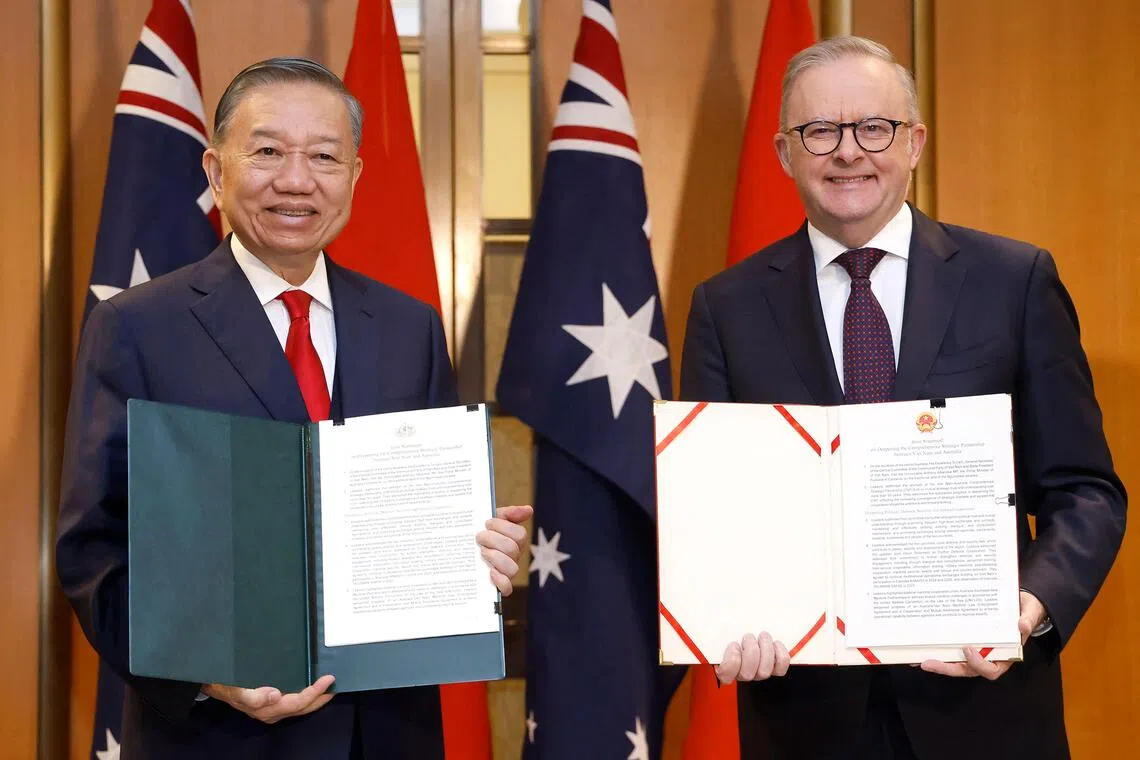
- Australia and Fiji signed the Veitacini Treaty (Ocean of Peace Alliance) in Suva on July 6, committing both governments to treat an armed attack on either party in the Pacific as a threat to shared security.
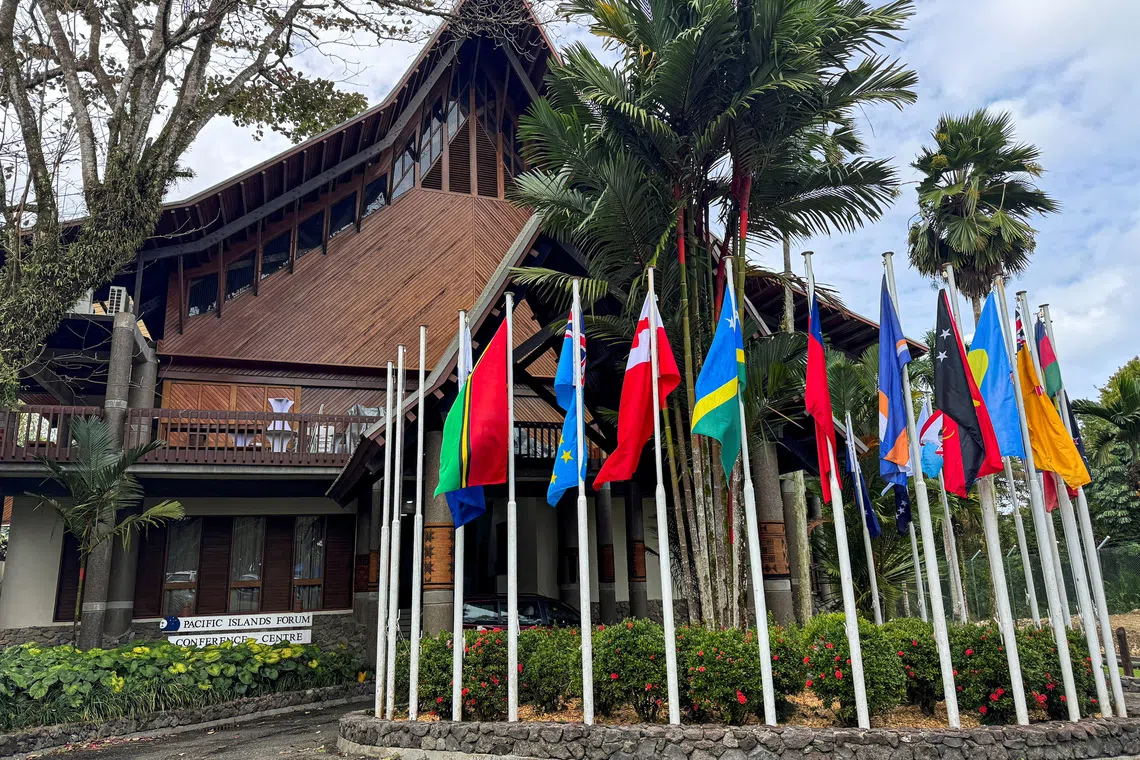
- Fiji becomes Australia's formal ally alongside the US, New Zealand, and Papua New Guinea; the treaty remains open to other Pacific nations provided every existing member agrees.
- The Vuvale Union package signed alongside the treaty is worth about A$1 billion (~US$690 million) over 10 years, covering climate and economic cooperation.
- The pact follows a similar pattern: the Nakamal Agreement with Vanuatu, reportedly valued at about A$500 million, and the PukPuk Treaty with Papua New Guinea signed last October.
- The signing coincided with a Chinese ballistic missile test in the Pacific; Beijing gave advance notice, but Canberra labeled the test a threat to regional stability.
- Chinese firms control much of the nickel processing in Halmahera, North Maluku — a key link in the global EV battery supply chain — with ports and logistics at the Pacific's front door.
- Author M. Guntur Cobobi argues the US-China contest framing oversimplifies: for Fiji, the pact is a survival strategy to preserve autonomy against Chinese capital with strings attached and US pressure to align exclusively.
Why it matters: The Veitacini Treaty requires unanimous consent from existing members before any new Pacific nation can join — a structural design that, per the author, gives Fiji and other small states collective leverage to resist pressure from both Washington and Beijing rather than choosing one side.
Ask SkimNews