Colombia's 'El Tigre' Wins Presidency by Razor-Thin Margin

Get the Geopolitics newsletter
Daily geopolitics — wars, elections, sanctions, the diplomatic moves that move markets. Free.
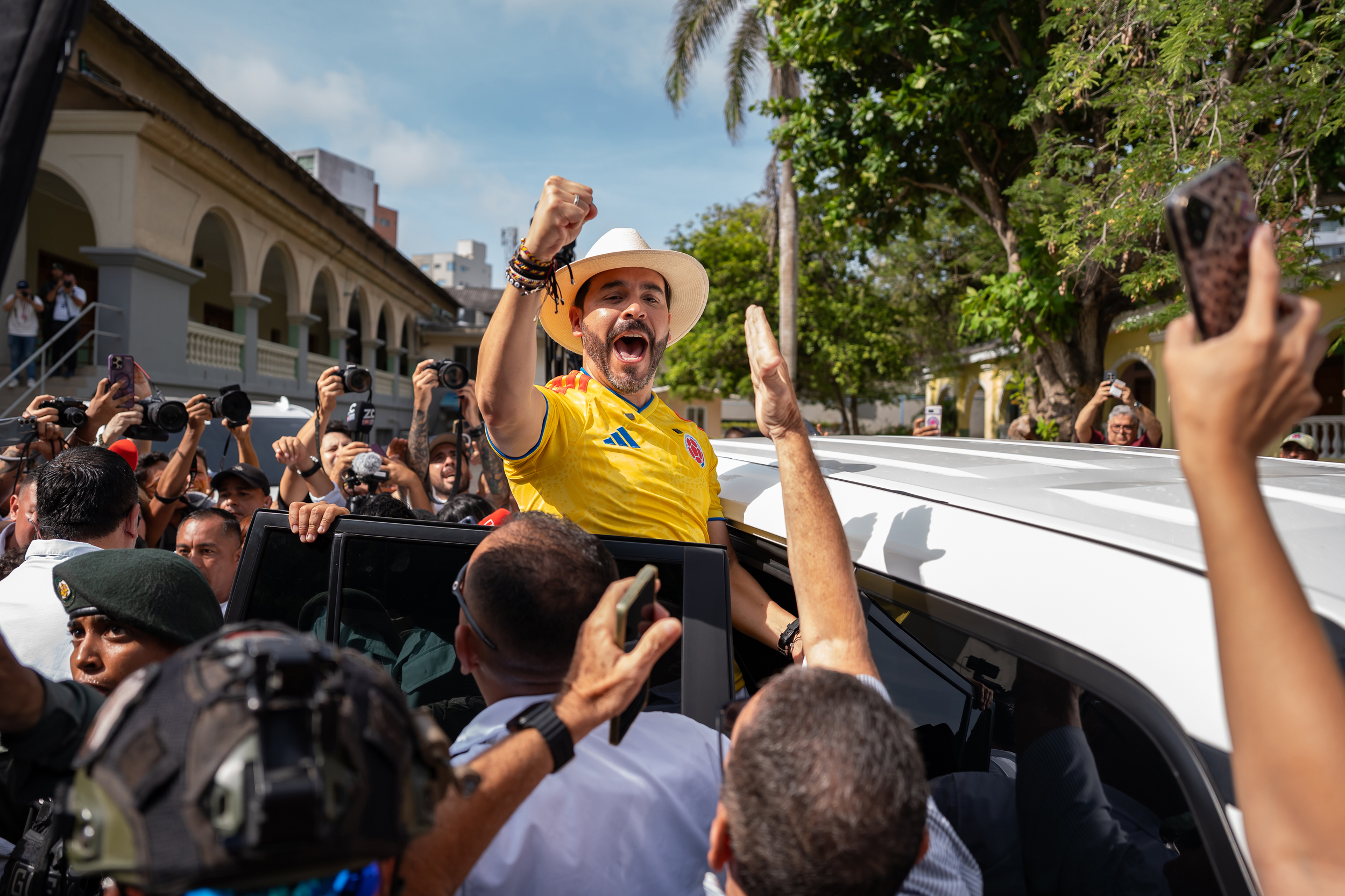
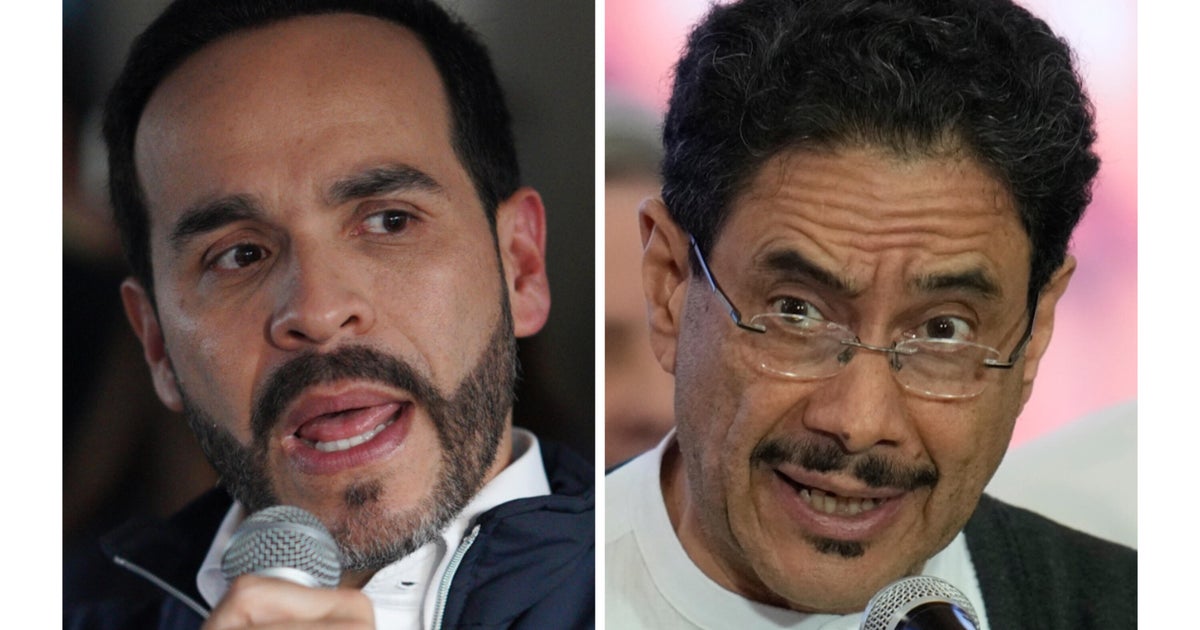
- Abelardo de la Espriella, a right-wing outsider nicknamed "El Tigre," won Colombia's presidential election by a razor-thin margin, in a bitterly contested race that Crisis Group analysts say exposes a country still deeply divided.
- Gustavo Petro's outgoing "Total Peace" policy, which sought to reduce violence through dialogue with Colombia's many armed and criminal groups, is assessed as a failure.
- Colombia's armed groups increasingly exert power by controlling civilians and local economies rather than primarily fighting the state, a shift that complicates any military-centric response.
- De la Espriella has promised a hardline security crackdown against those armed groups, raising questions about the dangers such an approach could bring.
- The election result fits a broader rightward shift across Latin America, according to Crisis Group experts Renata Segura and Elizabeth Dickinson on the "Hold Your Fire!" podcast.
- The analysis aired 26 June 2026, just ahead of De la Espriella taking office, making it a live read on what to watch during the transition.
- Podcast host Richard Atwood frames the discussion around whether Colombia's new president will relaunch a war on drugs — a pointed contrast to Petro's negotiation-first approach.
Why it matters: Petro's Total Peace experiment collapsed against armed groups whose real leverage is territorial control over civilians and local economies, not battlefield strength. A security crackdown from De la Espriella, rather than dialogue, risks escalating violence in a country that just voted along near-fifty-fifty lines, while his razor-thin mandate limits political capital for sweeping change.