DOJ Subpoenas NYT Reporters Over Air Force One Coverage — SkimNews
SkimNews Take
By targeting reporters over their published work, the subpoena redirects legal pressure onto the recipients of classified information rather than the sources themselves—reshaping the leverage that shapes national security reporting.
Get the Geopolitics newsletter
Daily geopolitics — wars, elections, sanctions, the diplomatic moves that move markets. Free.
- Department of Justice issued subpoenas to New York Times journalists, compelling them to testify before a federal grand jury in Manhattan, as part of a leak investigation tied to reporting on the new Air Force One’s security shortcomings.
- New York Times reporters Julian E. Barnes, Eric Lipton, Tyler Pager, and Eric Schmitt were targeted, with federal agents delivering some subpoenas to their homes, intensifying concerns about government overreach into newsrooms.
- Justice Department stated that reporters are not the targets but emphasized its duty to investigate government officials who leak classified information, reversing prior protections for journalists in leak probes.
- David McCraw, the Times’ lawyer, condemned the move, saying federal agents showing up at reporters’ doors should 'shock the conscience' of anyone who values constitutional press freedoms.
- Reporters Committee for Freedom of the Press and the Foundation for Individual Rights and Expression warned the subpoenas break from longstanding norms and send a chilling message to journalists and sources alike.
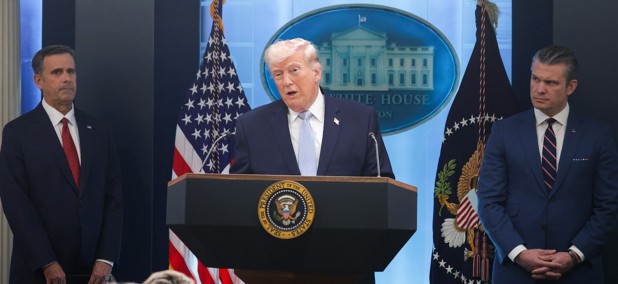
- Trump administration officials, including FBI Director Kash Patel, met at the White House before the subpoenas were issued, signaling high-level involvement in the legal action against the press.
- The New York Times reported that the new, Qatari-gifted Air Force One lacked certain advanced security systems, including antimissile capabilities, prompting the Secret Service to advise against its use during a recent trip amid Iran tensions.
Why it matters: This marks the first time in modern history that reporters are being compelled to testify before a grand jury over national security reporting, breaking from DOJ norms that treated such actions as a last resort. The move risks deterring future whistleblowers and journalists covering sensitive government operations, with direct consequences for public oversight of executive power.
Ask SkimNews