Skyroot's Vikram-1 reaches orbit in India's first private launch — SkimNews
Get the Health newsletter
Daily health & science — research, biotech, public health, the studies worth knowing. Free.
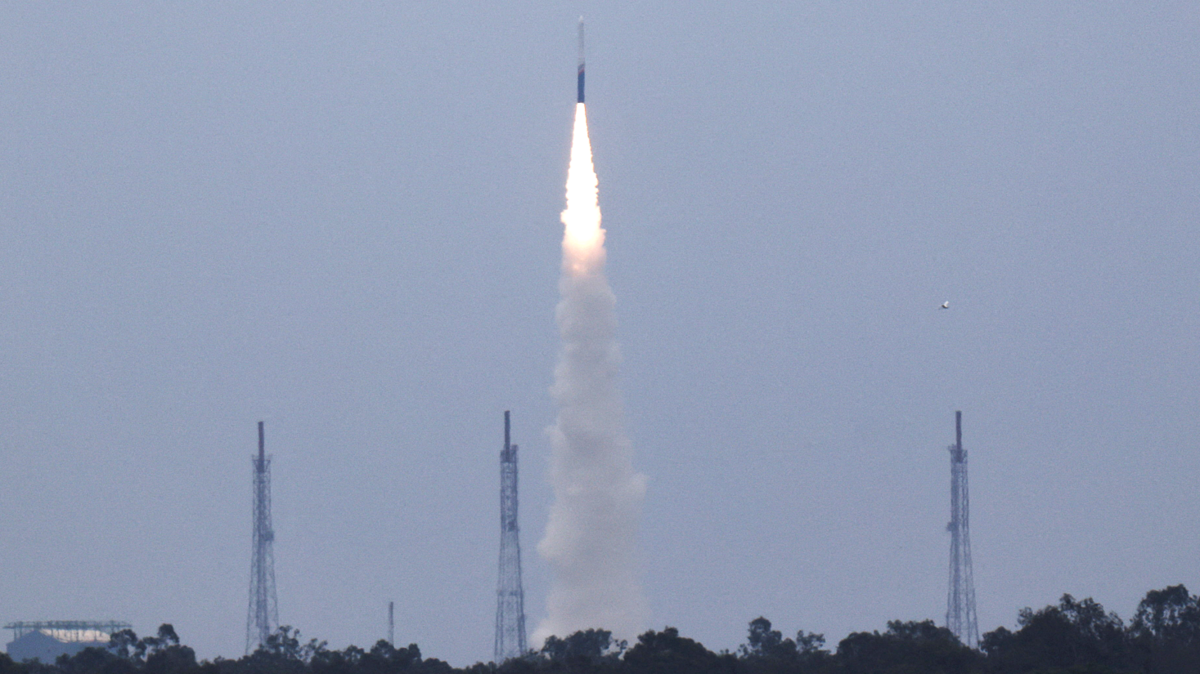
- Skyroot Aerospace launched Vikram-1 from ISRO's Sriharikota facility at 12:05 India time on Saturday, traveling 280 miles to reach Low Earth Orbit in a 16-minute flight and placing six payloads into orbit.
- Skyroot is positioning itself as offering a 'cab service to space'—dedicated small-payload launches of up to 350kg tailored to customer schedules, a model co-founder and CEO Pawan Kumar Chandana compared to booking an Uber rather than waiting for a train.
- The Aagman mission carried scientific instruments including a robotic arm for removing space debris and an Earth observation camera, alongside symbolic payloads: a lab-grown diamond lotus called Cosmic Bloom and rice-grain-sized micro-sculptures of Vikram Sarabhai, CV Raman, and APJ Abdul Kalam.
- Skyroot recently became India's first space tech unicorn at a $1.1bn valuation and was founded in 2018 by Chandana and Naga Bharath Daka, both former ISRO colleagues; the company says it can build one rocket per month at its Hyderabad factory.
- India's private space sector has grown to more than 400 startups since the government opened the sector to private firms in 2020, with a stated goal of raising India's share of the global space market from 2% to 10% by 2030.
- The launch is the first of two test flights Skyroot plans this year before commercial operations begin next year, while parent agency ISRO targets sending Indian astronauts to space next year, a Venus orbiter by 2028, and a national space station by 2035.
Why it matters: Skyroot's successful test positions India to compete in the dedicated small-launch market currently dominated by Rocket Lab, with Chandana projecting 70-80% of demand will come from global commercial customers in agriculture, communications, and disaster management—directly serving New Delhi's goal of growing India's 2% share of the global space economy to 10% by 2030.
Ask SkimNews