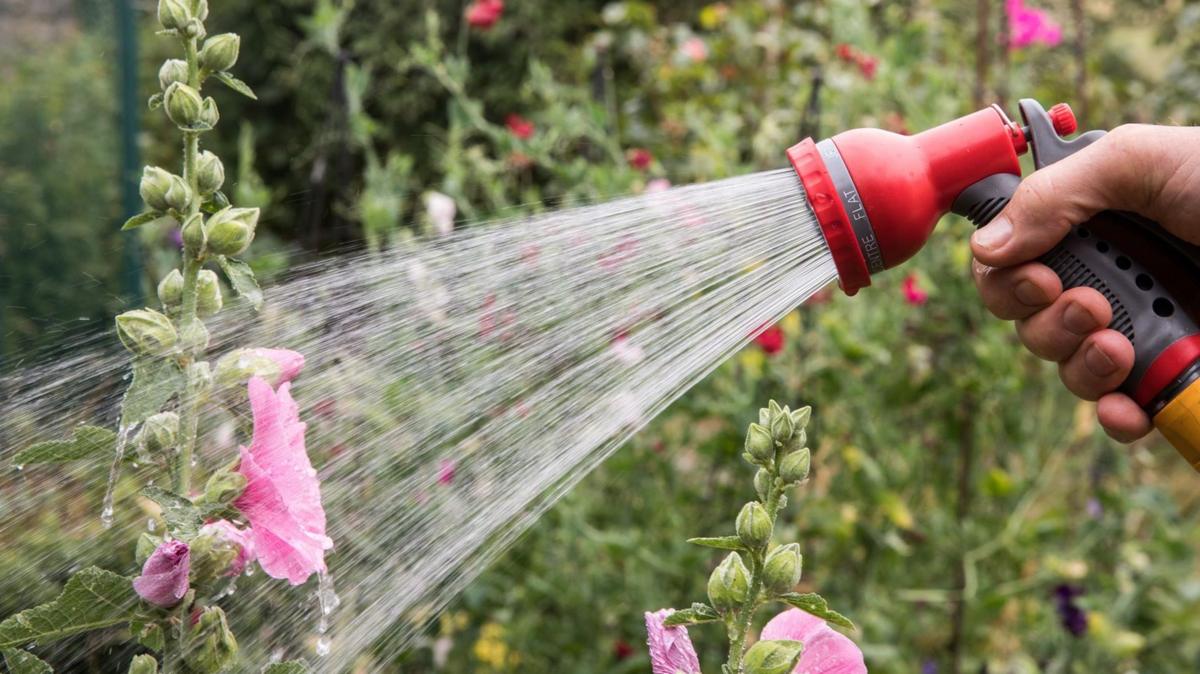
Everything you need to know about the hosepipe ban
Get the Energy newsletter
Daily energy & climate — solar, EVs, oil, the policy fights and tech bets shaping the transition. Free.
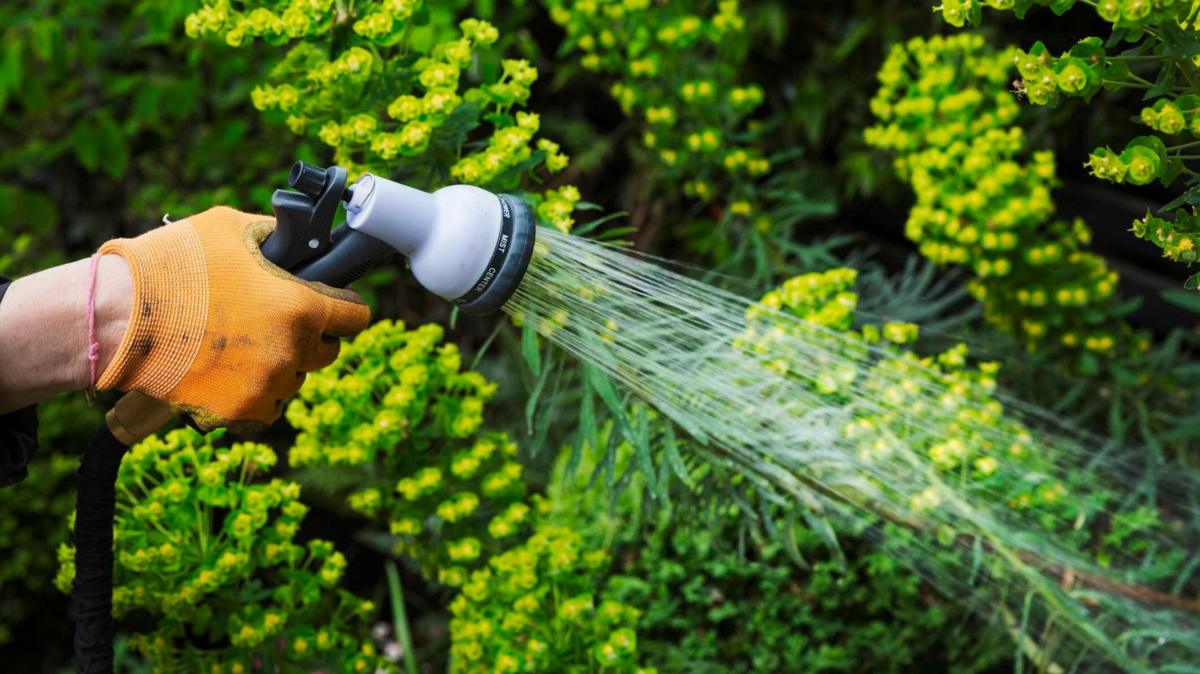
- Thames Water has imposed a temporary usage ban on 10.1 million customers, barring hosepipes for watering gardens, washing cars, filling pools, cleaning windows and operating sprinklers after recent heatwaves and prolonged dry weather.
- Seven water companies have implemented or announced future bans to ease strain on treatment works and storage; SES Water says it has no plans to announce one.
- Exemptions cover health and safety needs, animal welfare, watering food crops and certain newly planted trees, customers with severe mobility issues or disabilities, wastewater-only customers, and blue badge holders.
- Businesses, public sector organisations and charities may keep using hosepipes where directly needed for commercial activity such as professional cleaning and car washing; Kew Gardens is exempt as a National Plant Collection and already limits its own water use across 11,000 trees.
- No end date has been set — the bans will remain until water resources recover and demand returns to a sustainable level, with water companies contacting repeat offenders and warning against calling 999 to report violations.
- Greenpeace UK says water firms in England and Wales are losing roughly five times more water through leaky pipes than a nationwide hosepipe ban would save; Thames Water says leaks are down 15.1% against its 2019/20 baseline.
- The Royal Horticultural Society is advising gardeners to use stored rainwater or grey water, water deeply but less frequently at the base of plants, and consider more drought-tolerant species and improved soil health.
Why it matters: The hosepipe ban asks 10.1 million Thames Water customers to curb outdoor use while Greenpeace UK calculates leaky pipes are wasting roughly five times more water than such a ban saves, putting the burden on households rather than on infrastructure fixes — though Thames Water says leaks are already down 15.1% against its 2019/20 baseline.