Indonesia Sets 2026 Macaque Export Quota, Opens Breeding Facility
Get the Health newsletter
Daily health & science — research, biotech, public health, the studies worth knowing. Free.
- Indonesia set a 2026 export quota of 1,920 long-tailed macaques, its first CITES-recorded quota since 2022 (when the figure was 1,680), with the US as the main destination and China in talks as a potential market.
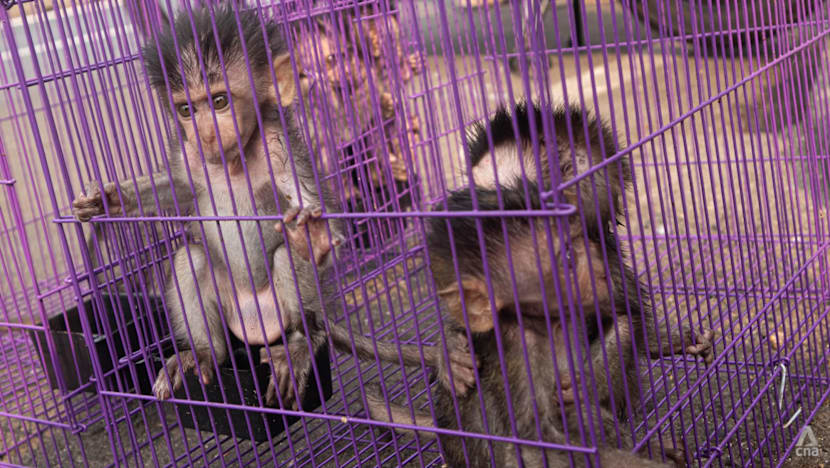
- PT Bio Medika Nusantara Indah (BMNI) opened a 4,000-macaque breeding facility on July 31 in Mesuji regency, Lampung; the site currently houses 804 wild-sourced animals and aims to export roughly 1,000 macaques annually at US$3,000–4,000 each.
- The IUCN classifies long-tailed macaques as endangered, citing a 40% global population decline over the past 40 years and a projected further 50% drop, while Indonesia's 2025–2029 conservation plan rates the species "least concern" with stable wild numbers.
- A coalition including US-based Lady Freethinker, UK-based Action for Primates, and Jakarta Animal Aid Network launched a petition that drew more than 37,000 signatures by Aug. 15, demanding suspension of the breeding and export programme.
- BMNI director Reki Chandra was quoted saying local residents could sell wild macaques to the facility for 200,000 rupiah (about US$11) each, prompting coalition allegations of "laundering" wild-caught primates into commercial breeding — a claim Mesuji regent Elfianah Khamamik rejected.
- Barantin chief Abdul Kadir Karding said China could absorb around 20,000 macaques per year versus roughly 10,000 in the United States, and stressed that exports require multi-agency sign-offs from BRIN and the Ministry of Forestry.
- Indonesia frames the trade partly as human-wildlife conflict management, citing macaque attacks on residents and crop destruction, while scientists at IPB University's Primate Research Center argue the animals' genetic similarity to humans keeps them indispensable for toxicity testing.
Why it matters: Indonesia controls a supply the global biomedical industry is increasingly dependent on, with the US as the top buyer and China potentially demanding twice as many animals per year as the US once negotiations conclude. At stake are roughly US$3,000–4,000 per macaque in export revenue, thousands of animals diverted from a population the IUCN projects could halve again over the next 40 years, and a precedent for whether welfare-driven restrictions in importing countries will hold against the world's largest exporter of research primates.
Ask SkimNews