Mouse ovaries shift to immune-like function after reproduction — SkimNews

Get the Health newsletter
Daily health & science — research, biotech, public health, the studies worth knowing. Free.
- Francesca Duncan at Northwestern University found that mouse ovaries undergo an identity shift after reproduction ceases, with genes linked to inflammation and immune activity becoming increasingly active and immune cells including T cells and macrophages multiplying with age.
- The team analyzed ovaries from mice aged 2, 18, and 24 months, confirming that older ovaries lost egg-producing follicles, developed more scarring, and downregulated genes involved in producing hormones like estradiol.
- A related March 2025 study by Duncan — not yet peer reviewed — on post-menopausal women aged 50 to 75 found that ovarian molecular signatures changed dramatically over decades, contradicting the long-held assumption that the organ is stagnant after menopause.
- Diana Laird at the University of California, San Francisco, said reproductive similarities between mice and humans — including cessation of cycling when oocyte supply dips below a critical threshold, plus shared fibrosis and increased innervation — suggest similar immune changes likely occur in human ovaries.
- The study, published in Molecular Human Reproduction, raises questions about the standard practice of leaving healthy ovaries in place post-menopause, since they continue releasing androgens that help maintain bone mineral density and libido.
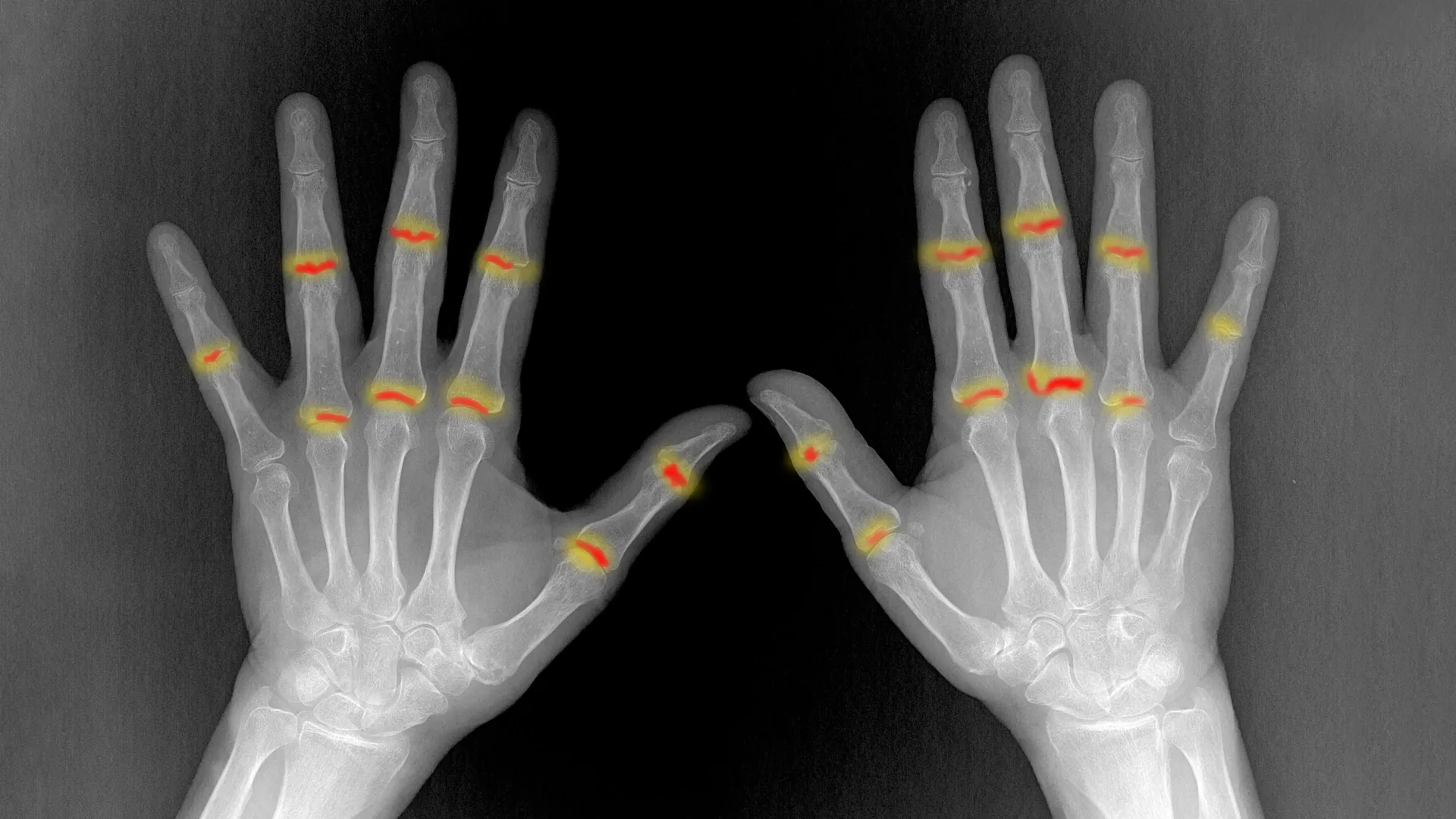
- Laird said the findings add to growing evidence that immune changes in the ovaries may drive the elevated post-menopausal inflammation linked to conditions like rheumatoid arthritis.
Why it matters: Post-menopausal women face sharply elevated rates of inflammatory conditions like rheumatoid arthritis, and this research suggests their ovaries — long assumed inert — may actively contribute to that inflammation by releasing inflammatory signaling molecules. If the mouse findings hold in humans, clinicians may need to rethink the standard practice of leaving ovaries in place after menopause, and researchers have a new target for treating age-related inflammatory disease.
Ask SkimNews