What’s hiding inside colon cancer could change treatment
Why it matters: This finding could lead to more precise diagnosis and personalized treatment for colorectal cancer patients.
- University of East Anglia researchers discovered that only colorectal tumors consistently host distinct microbial communities, a finding published in Science Translational Medicine.
- Dr. Abraham Gihawi, lead researcher, states this study changes how scientists think about the role of microbes in cancer, specifically challenging the belief that every cancer type has a unique microbial signature.
- Whole genome sequencing (WGS) data from over 9,000 cancer patients across 22 cancer types was analyzed to identify these microbial DNA compositions after removing human DNA.
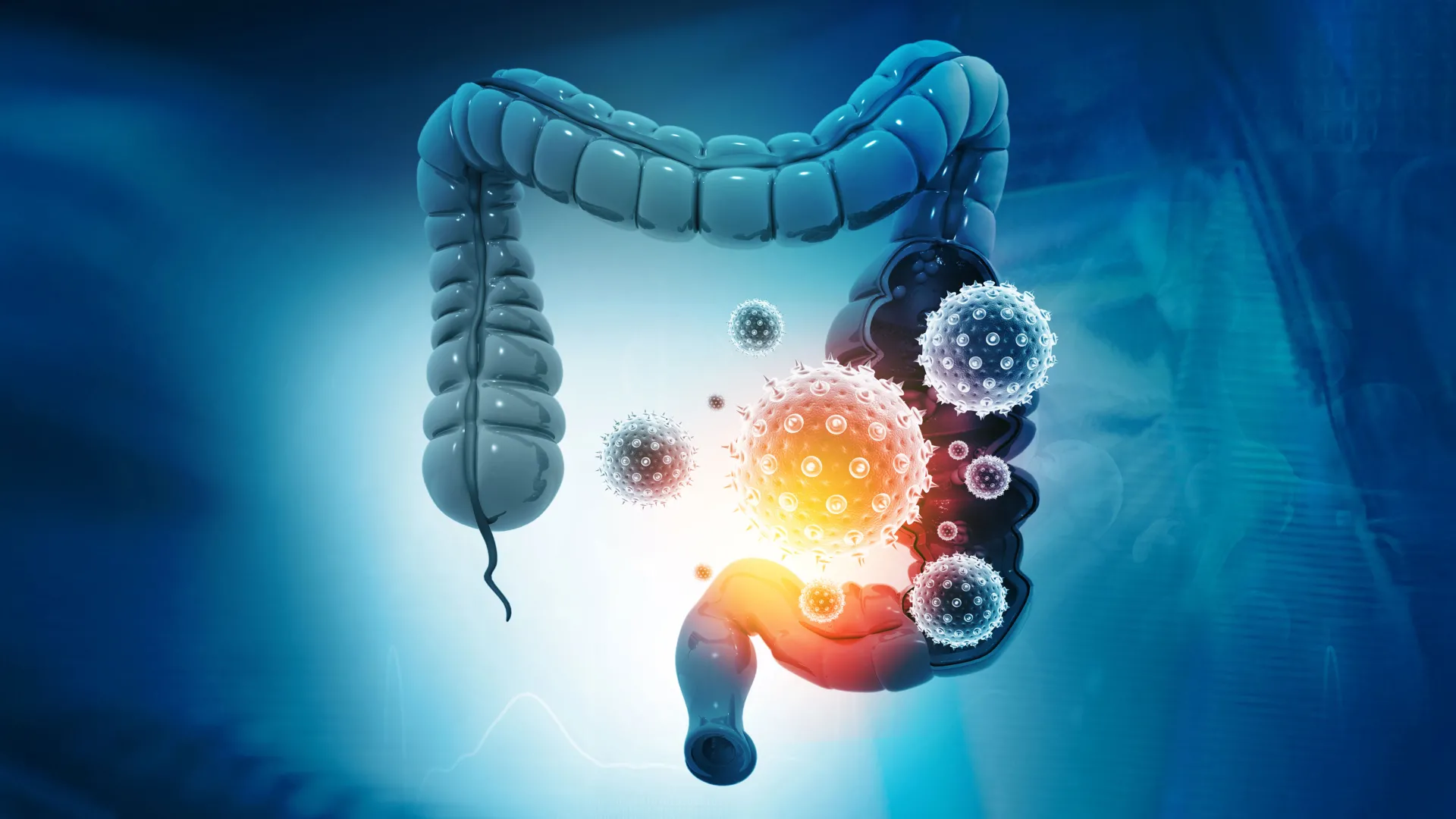
New research from the University of East Anglia reveals that colorectal cancer uniquely harbors a distinct microbial "fingerprint," challenging the previous assumption that all cancers possess their own microbial signatures. This discovery, based on analyzing DNA from over 9,000 patients, could revolutionize diagnosis and treatment strategies for colorectal cancer, which is the second leading cause of cancer-related death in the UK.