How the Iran War Reveals the Extent of Fossil Fuel Propaganda
Why it matters: Rising oil prices and alleged fossil fuel propaganda are stalling the U.S. clean energy transition.
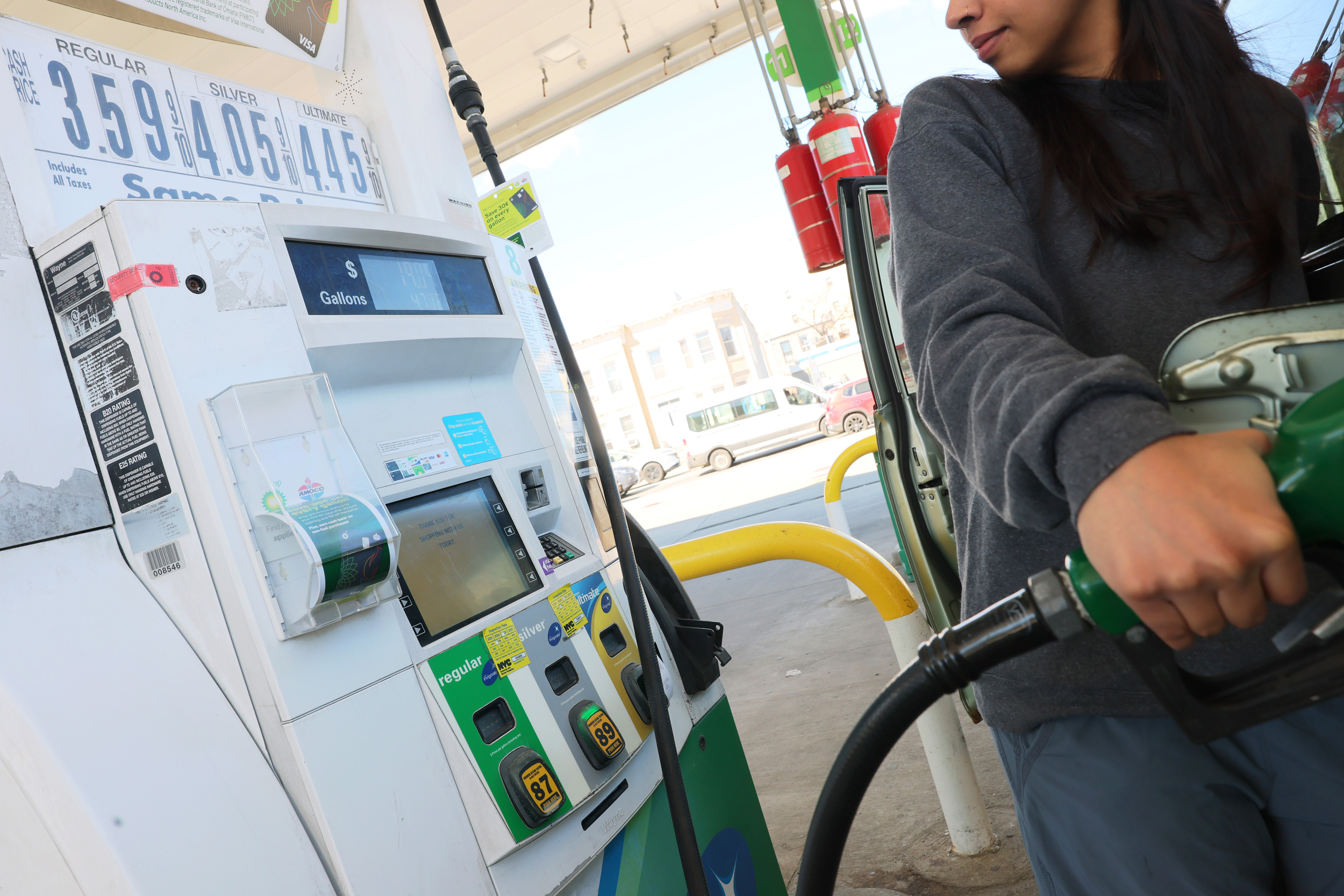
- Crude oil prices are exceeding $100 a barrel, with gas averaging $3.91 nationwide, according to AAA.
- Heather Boushey (University of Pennsylvania) emphasizes that rising oil prices will impact all economic sectors, from fertilizer to shipping, disproportionately affecting low-income individuals.
- Alex Jacquez (Groundwork Collaborative) notes that historically, fuel price shocks increase interest in renewable energy, with signs already emerging internationally as EV dealer visits rise in Asia.
- Senator Sheldon Whitehouse (D-R.I.) attributes the slow U.S. renewable energy transition to a "massive and very concerted campaign" of fossil fuel misinformation, which he claims is supported by the Trump administration.
- The White House, in a statement, asserts that green energy sources are "too unreliable and unaffordable" and champions President Trump’s agenda of maximizing oil and natural gas production for energy independence.
As the Iran war drives crude oil prices above $100 a barrel, experts like Heather Boushey warn of widespread economic impact, particularly on low-income households, due to increased costs across all sectors. While past oil shocks spurred interest in renewables, Senator Sheldon Whitehouse argues that fossil fuel propaganda, actively promoted by the Trump administration, is hindering a similar surge in U.S. electric vehicle and clean energy adoption by falsely claiming they are more expensive.