Catastrophic storms to test China’s resilience in 2026, scientists warn — SkimNews

Get the Energy newsletter
Daily energy & climate — solar, EVs, oil, the policy fights and tech bets shaping the transition. Free.
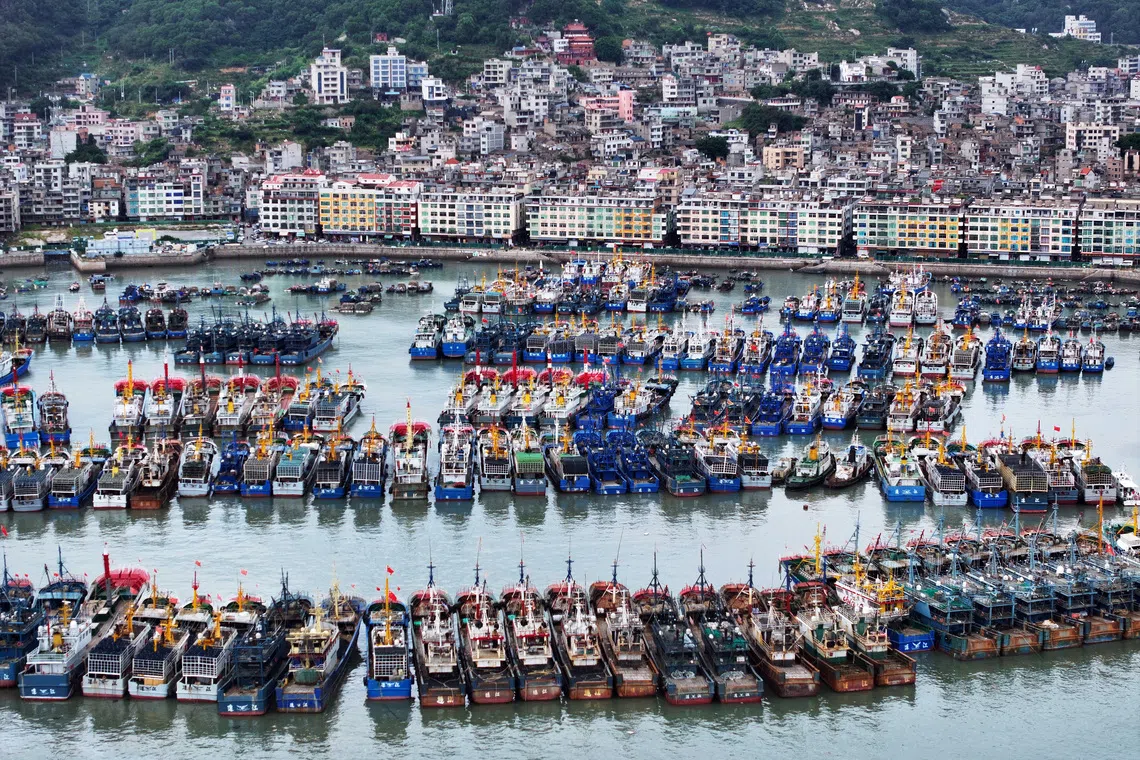
- China's National Climate Centre forecasts up to six typhoons forming in the northwest Pacific and South China Sea in July 2026, up from the average of 3.8, with up to three making landfall versus the typical 1.8, and at greater intensity.
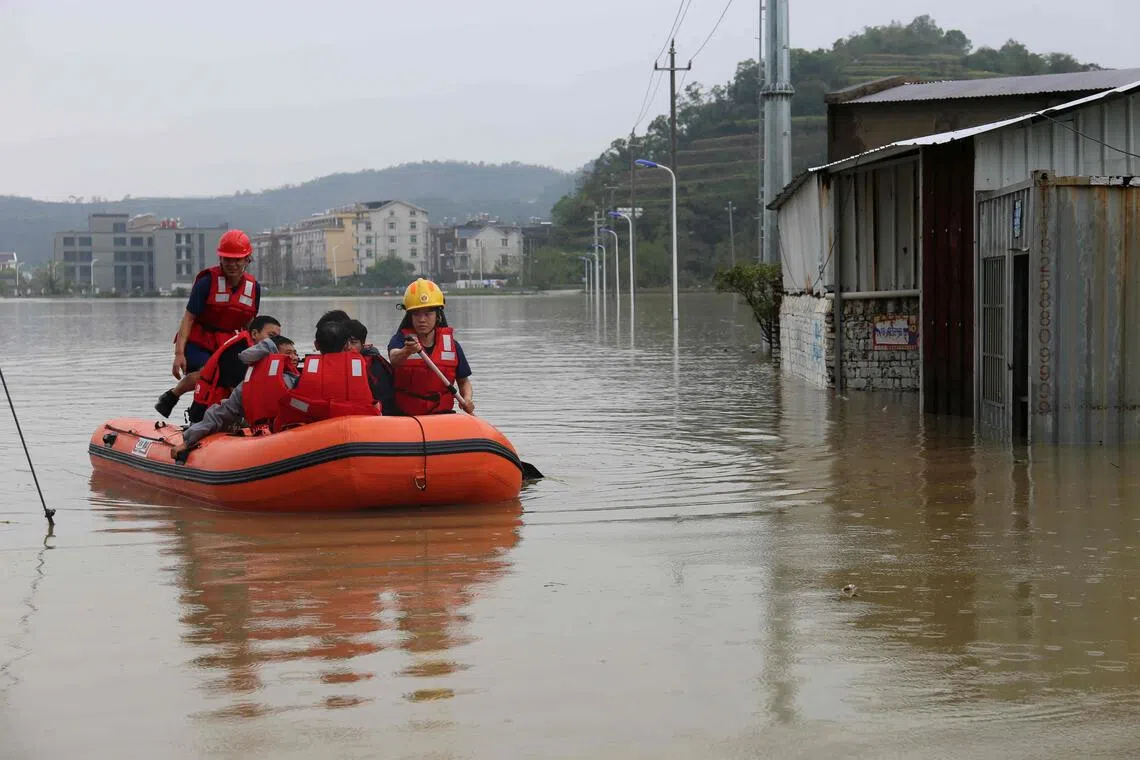
- Typhoon Maysak made landfall on Hainan last week before sweeping into Guangxi, where reservoir failures on July 6 unleashed mud-laden floodwaters that killed at least six people, affected 375,000 residents, and stranded roughly a thousand villagers in the mountains around Hengzhou.
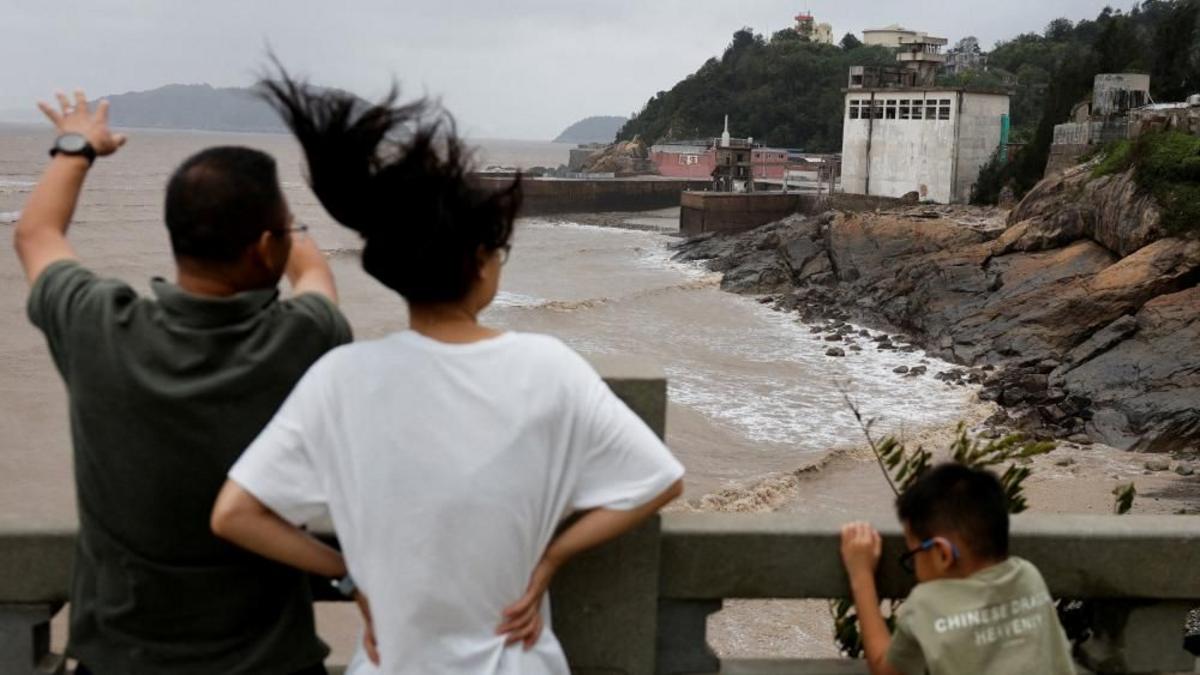
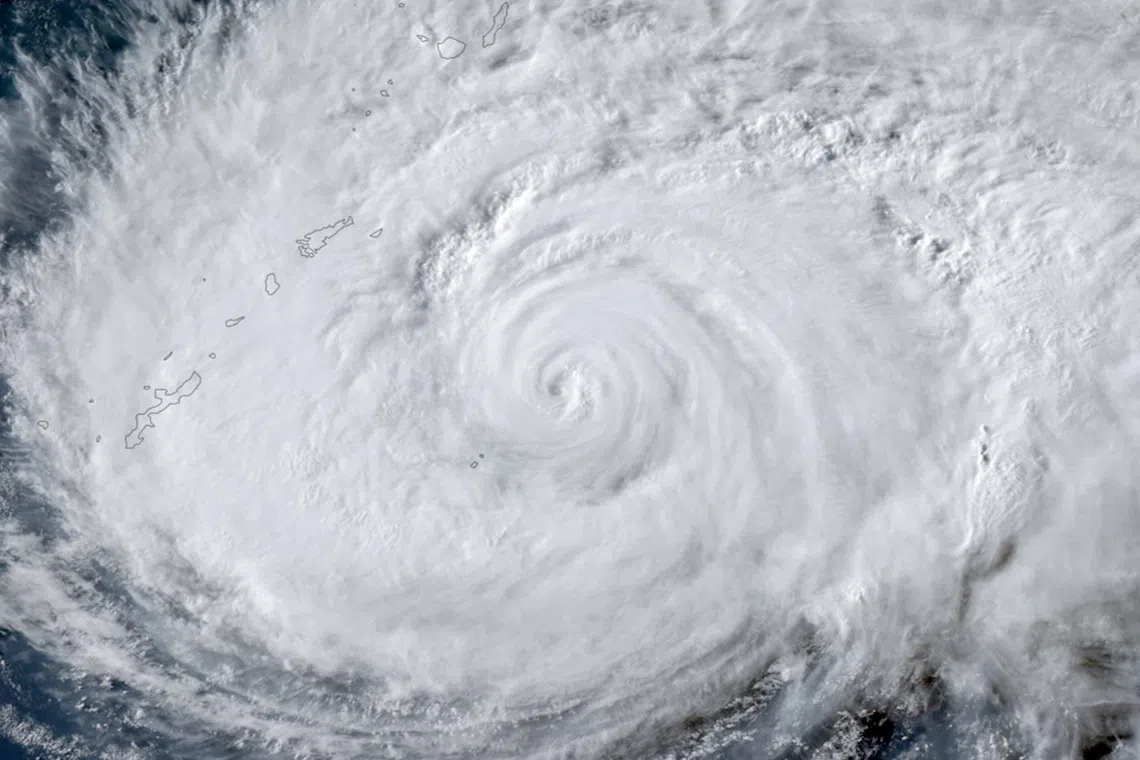
- Super Typhoon Bavi, measuring more than 1,000 km in diameter with winds exceeding 290 km/h after briefly striking the US island of Rota on July 6, is forecast to reach China on July 11 — the second tropical cyclone to hit in a single week.
- Scientists Benjamin Horton and Hui Su warn the events will 'repeat and repeat' through the rest of 2026, with Horton noting there is no recovery time between increasingly destructive cyclones and Su pointing to El Niño shifting typhoon tracks westward toward China's coast.
- The UN World Meteorological Organization has raised its forecast for rapid emergence of a strong El Niño in coming months, a periodic Pacific warming that drives up global temperatures and fuels more intense tropical storms.
- Hengzhou, the largely rural Guangxi city of more than one million residents at the flood's epicenter, hosts six medium-sized and nearly 200 smaller reservoirs and is the starting point of a 70 billion yuan (S$13.3 billion) canal project scheduled to open in September.
Why it matters: Hengzhou's roughly 400,000 affected residents and at least six deaths show that aging rural reservoir infrastructure is already failing under storms typical of earlier decades — and the National Climate Centre's July forecast (six typhoons vs. 3.8 average, three landfalls vs. 1.8) means China's cities and a 70 billion yuan canal project face a far higher baseline of disruption through the rest of 2026.
Ask SkimNews