THAAD– Hit to kill
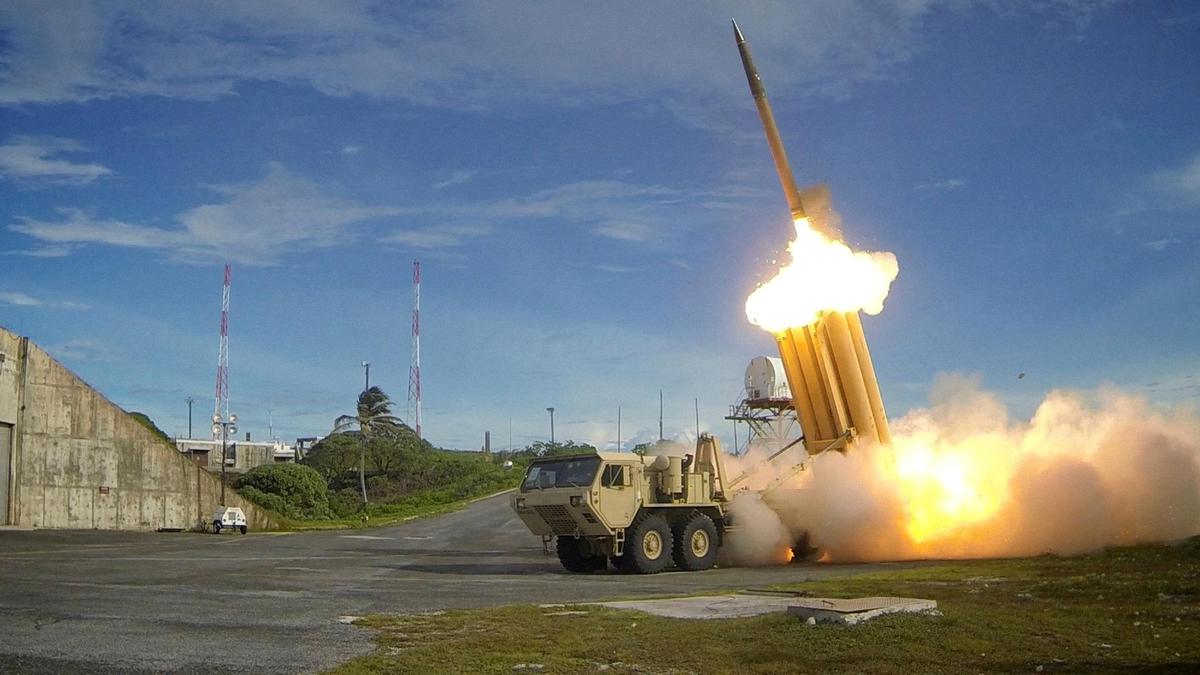
Why it matters: Iran's reported destruction of a THAAD radar significantly weakens U.S. missile defense in a volatile region.
- THAAD is an advanced U.S. missile defense system designed to intercept short- to intermediate-range ballistic missiles using "hit-to-kill" kinetic energy technology, providing precision and reducing debris.
- The U.S. deployed additional THAAD batteries to West Asia prior to its February 28 invasion of Iran, integrating them into a layered defense network with systems like Patriot and Aegis.
- Iran has reportedly destroyed a crucial THAAD radar in West Asia, dealing a major blow to the U.S. regional missile defense network, according to media reports.
- THAAD's key components include interceptors, truck-mounted launchers, the powerful AN/TPY-2 radar, and a tactical fire control unit, with each battery typically comprising 90 personnel, six launchers, and 48 interceptors.
- The UAE and Saudi Arabia are the only foreign buyers of the highly mobile and rapidly deployable THAAD system, which was first operationally deployed to Guam in 2013.
The Terminal High Altitude Area Defence (THAAD) system, a cutting-edge "hit-to-kill" missile defense platform, was deployed to West Asia by the U.S. to counter ballistic missile threats, particularly before its invasion of Iran. However, recent media reports indicate that Iran has successfully destroyed a key THAAD radar, significantly impacting Washington's regional missile defense capabilities just a week into the conflict.