Silver: Clark Turned Into 'Political Football' in WNBA Officiating — SkimNews
Get the Sports newsletter
Daily sports — scores, transfers, the storylines from the leagues you actually follow. Free.
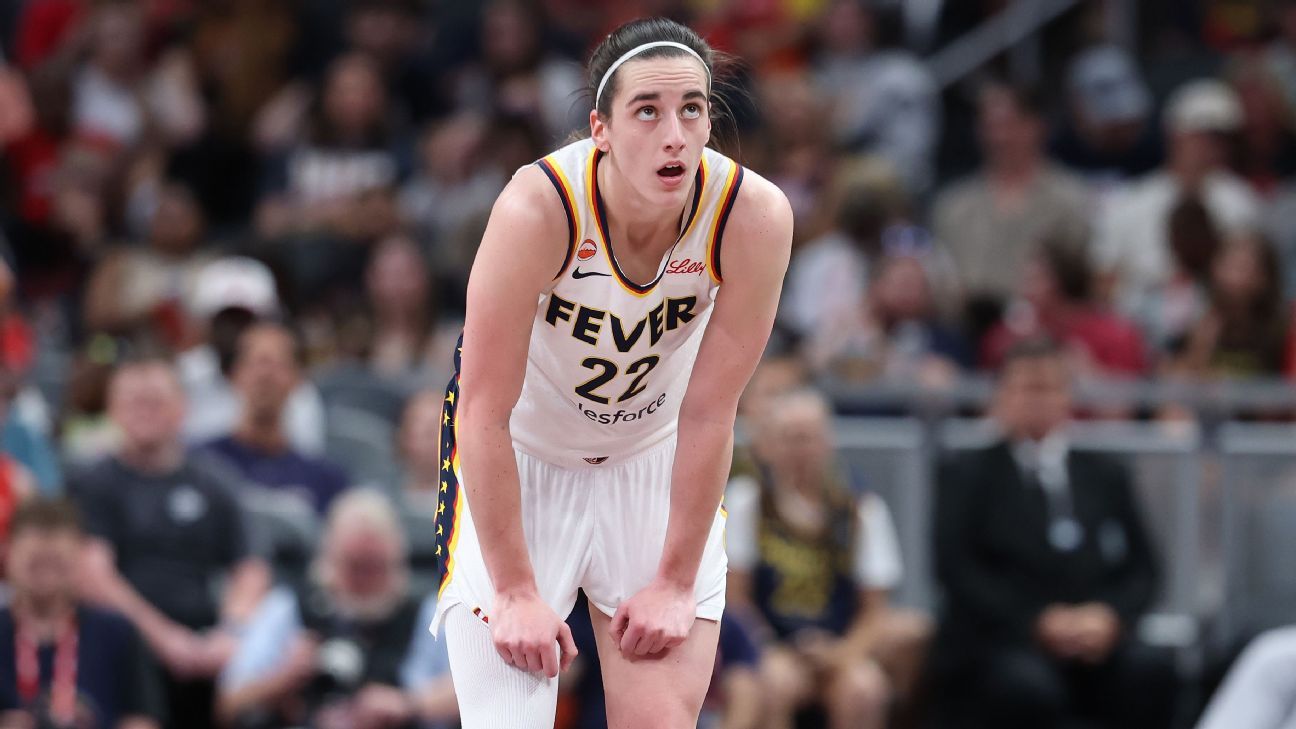
- Adam Silver said Caitlin Clark has become a "political football" in the U.S. and that debates about her are "political ping-pong," calling that treatment "incredibly unfair" during an onstage conversation with Andrew Ross Sorkin at the CNBC and Boardroom Game Plan Summit.
- Silver argued the issues around Clark are "not largely about officiating" and that the league still needs to improve WNBA officiating "no doubt about it," separating the officiating debate from Clark-specific criticism.
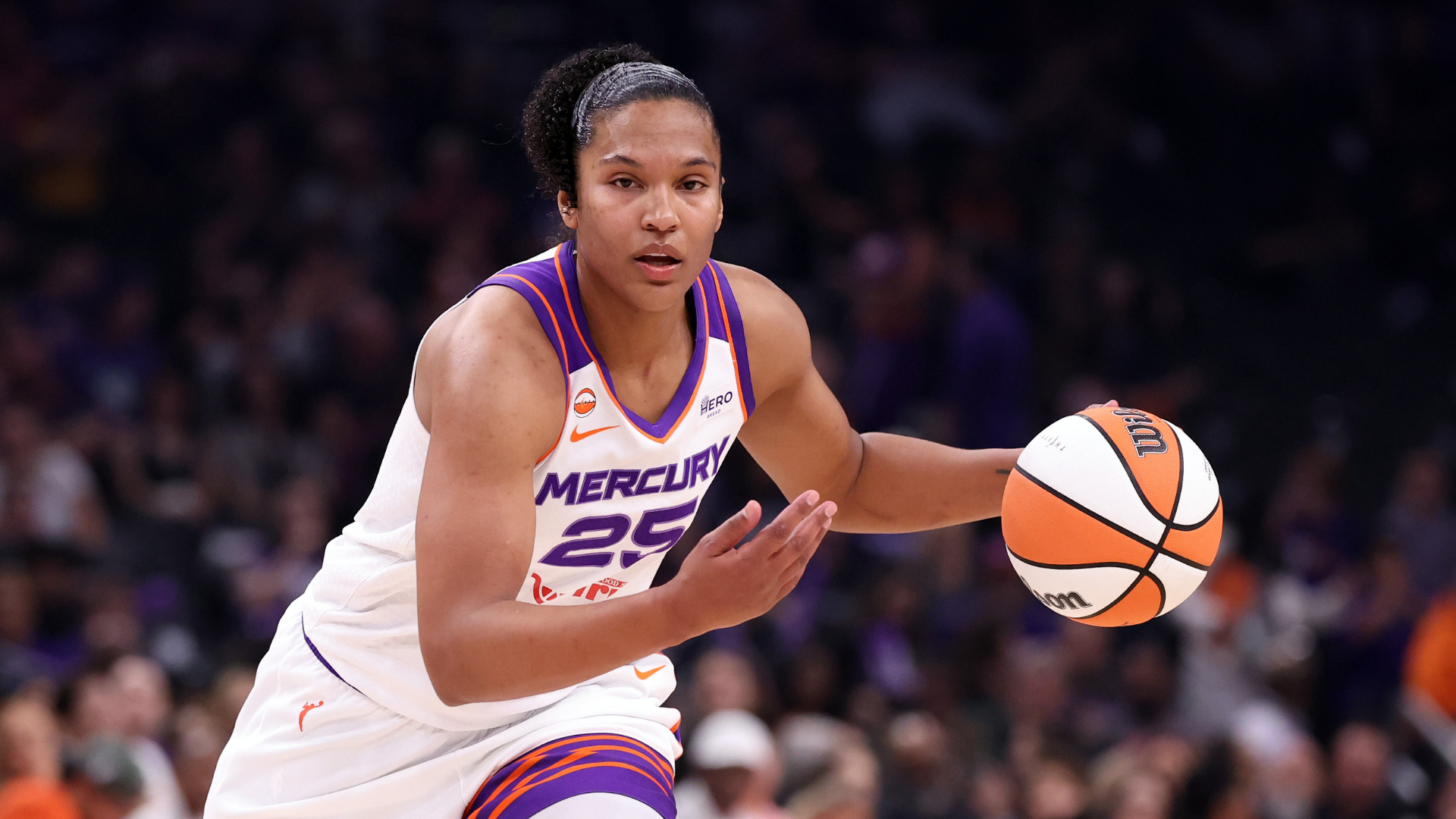
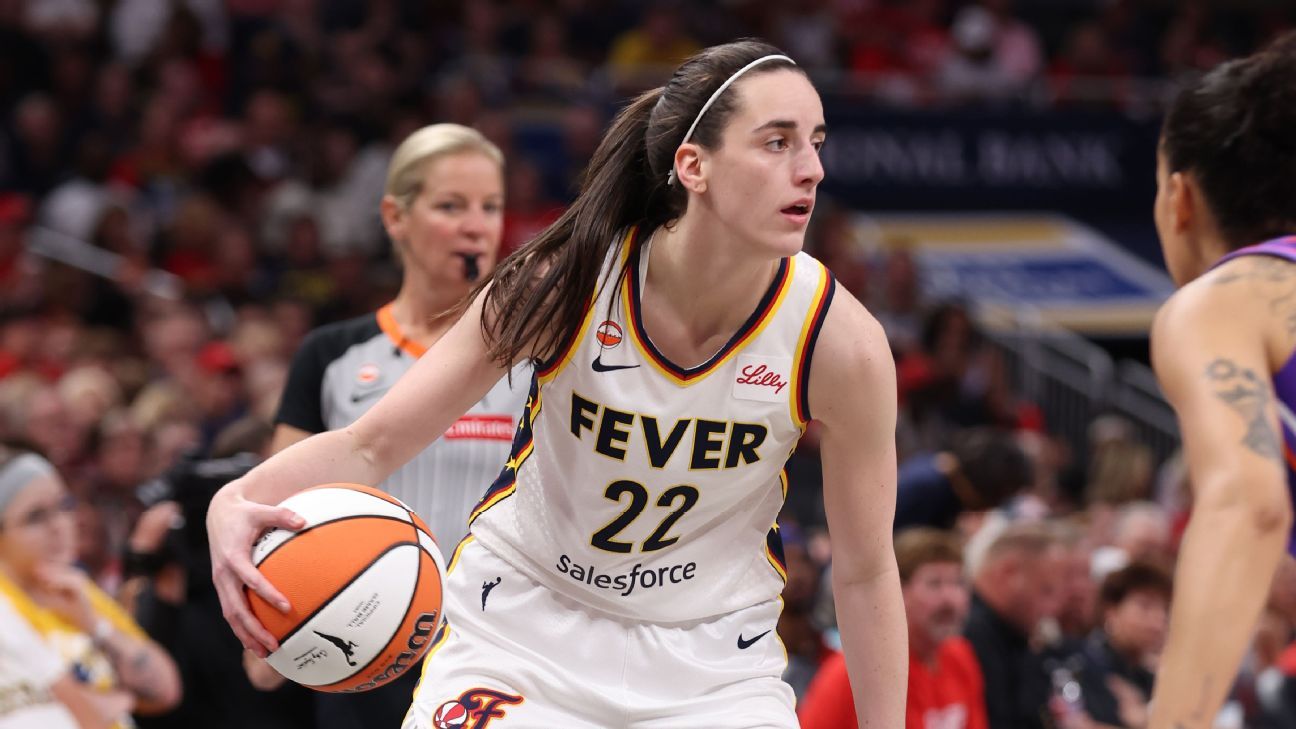
- The flashpoint was a June 24 game between the Fever and Mercury in which Alyssa Thomas made fist contact with Clark's throat; Thomas was not called for a foul on the floor, but the league subsequently upgraded the play to a flagrant foul and suspended her one game for "recklessly making contact with her fist."
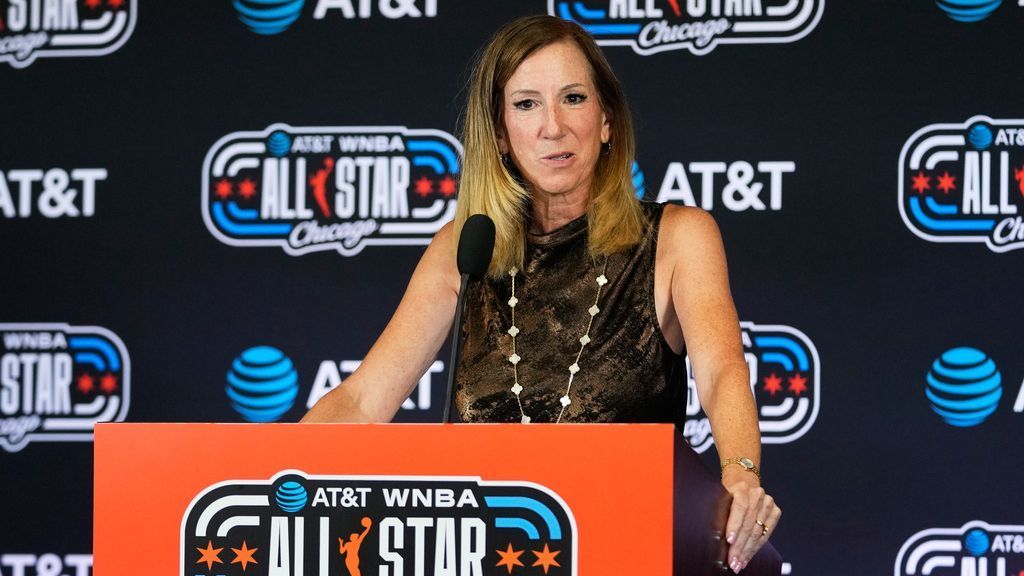
- Thomas called the contact an accident and said she received death threats and racial slurs afterward, while publicly criticizing WNBA commissioner Cathy Engelbert for not doing more to protect players.
- Caitlin Clark and Fever coach Stephanie White condemned the threats directed at Thomas, a detail the source notes alongside Thomas's account.
- Since entering the league, Clark has driven significant increases in WNBA ticket sales and television ratings, though public conversation about her has repeatedly veered into polarizing topics including race, officiating and politics.
Why it matters: Silver's unusually pointed framing reframes the national conversation away from foul-calling mechanics and toward the treatment of the WNBA's biggest star, an angle that matters because Clark has been the league's primary ratings and ticket-sales driver. At the same time, the source highlights that Thomas — the other player at the center of the incident — directed her criticism at WNBA commissioner Cathy Engelbert over player protection, exposing a leadership gap the dominant Silver-as-hero narrative overlooks.
Ask SkimNews