Draper, Raducanu Withdraw as Tennis Injury Crisis
Get the Sports newsletter
Daily sports — scores, transfers, the storylines from the leagues you actually follow. Free.
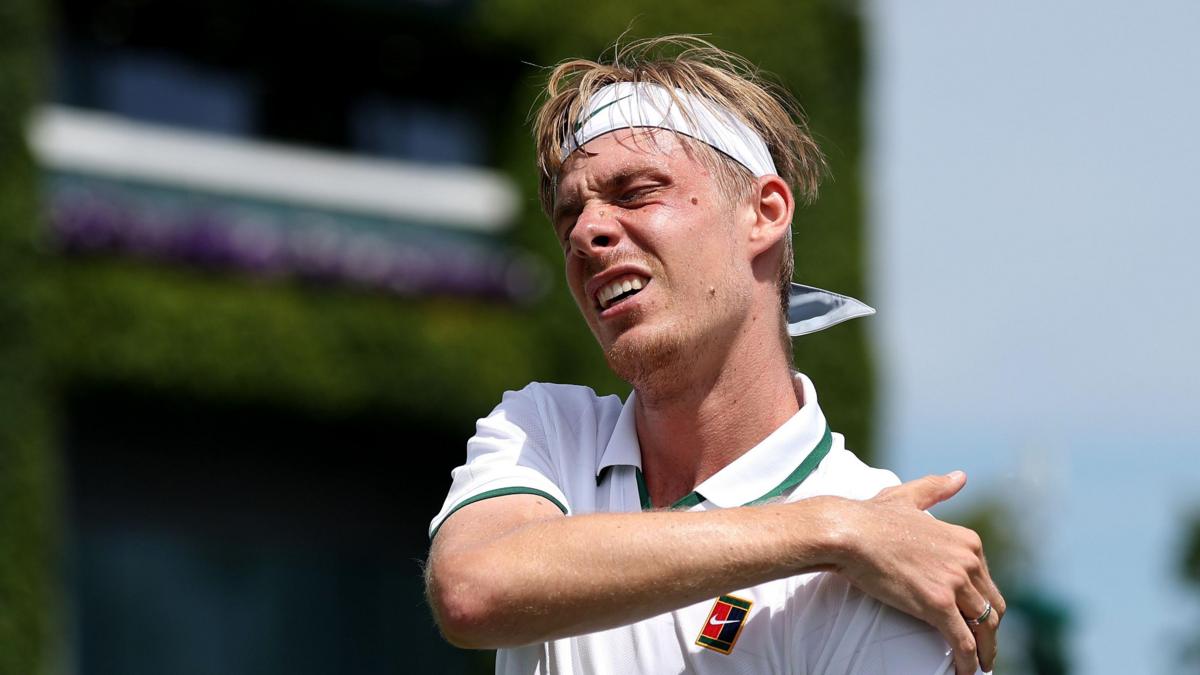
- Jack Draper pulled out of Wimbledon with bone bruising in his serving arm less than 24 hours after publicly calling the volume of tennis injuries "pretty worrying" and urging tours to "take a close look at what we're doing."
- Emma Raducanu was ruled out with a stress fracture in her lower right leg after playing five matches in six days at Queen's, having been out for most of the previous four months — a workload she believes contributed to the break.
- Carlos Alcaraz is missing Wimbledon with a wrist injury, while several ATP players withdrew from grass-court events at Queen's and Eastbourne to protect themselves, according to the source.
- Daniil Medvedev and other top players have called for a shorter season and larger off-season, with the current calendar lasting almost 11 months; the source notes matches, rallies, and ball speeds have all increased.
- Stefanos Tsitsipas said players chasing ranking points and money feel compelled to compete when not 100% fit, particularly at mandatory 'mini-Slam' events that have been extended across a fortnight.
- The tours are moving toward a centralized ball system after players cited varying weights and paces at different tournaments as a source of upper-body injuries, and sports scientists have called for better data sharing.
- Anne Keothavong warned that overuse damage begins long before players reach the tour, telling BBC Sport: "It is about all those hours you put in from so young."
Why it matters: The simultaneous withdrawal of Britain's two biggest stars gives the scheduling debate unusual visibility, and with Draper, Medvedev, and Tsitsipas all publicly backing a shorter season, player frustration has shifted from isolated gripes to a coalition. The conflict is structural: mandatory 'mini-Slam' events and an 11-month calendar force players onto court even when injured, directly conflicting with the medical evidence cited on longer, harder-hitting matches.