Study: Consumers Will Pay Premium for Climate-Proof Wines — SkimNews
Get the Energy newsletter
Daily energy & climate — solar, EVs, oil, the policy fights and tech bets shaping the transition. Free.
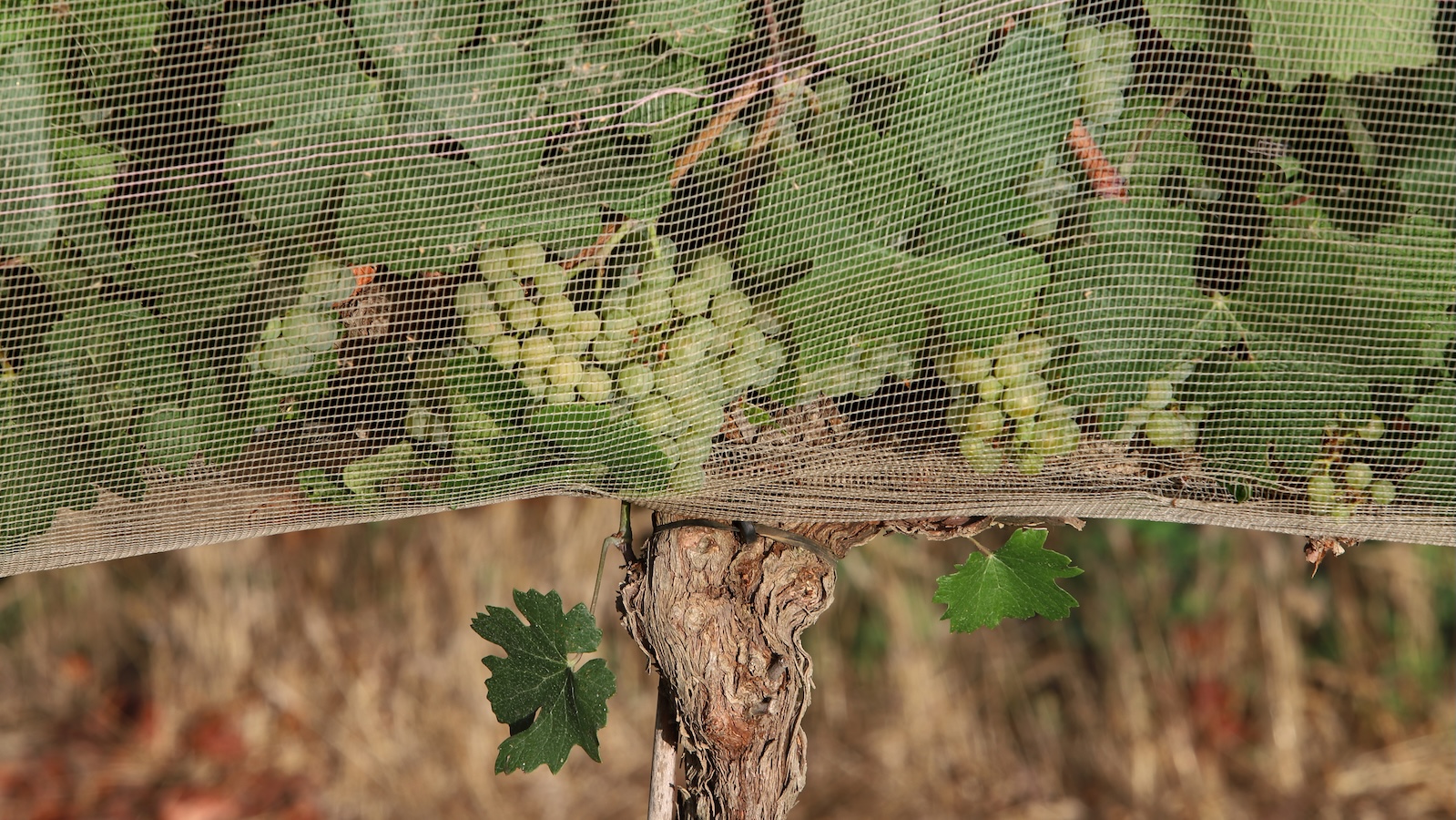
- Cornell University researchers found that across all three climate-adaptation strategies — shade cloth, new grape varieties, or relocating vineyards — consumers are willing to pay more for climate-resilient wines, even at the cost of name-brand region recognition.
- Alex Susskind, a Cornell professor of food and beverage management and study co-author, said adaptation changes that don't resonate with consumers are "moot," and noted only two of the three strategies — new grapes or relocation — would be obvious to shoppers.
- Survey respondents gave the "least desirability" rating to wines from relocated vineyards — a Napa Valley producer shifting to Lake County, for example — but still said they would pay extra for them.
- Jimena Balic, a winemaking researcher based in Chile, called the Cornell work "genuinely valuable" and said the economics of climate adaptation in wine are "badly under-documented."
- The study drew just 300 participants, mostly college graduates under 40 who reported reading food labels and caring about environmental issues, and the researchers acknowledged a novelty effect could fade the premium over time.
- Greg Jones, a wine climatologist and Oregon winery CEO with 25 years studying climate impacts on viticulture, called consumer education on the winemaking process and climate effects the unsolved piece — "We have a system where the consumer is hard to read."
Why it matters: For winegrowers facing drought, wildfire smoke, and shifting seasons, the Cornell finding offers rare economic evidence that climate adaptation can be marketable rather than purely a cost center. But with only 300 respondents skewed toward young, college-educated, eco-conscious label-readers, the premium may not replicate across the broader wine-buying public.
Ask SkimNews