Iran Missiles Hit Jordan; US-Saudi Strikes Kill 20 in Iraq

Get the Geopolitics newsletter
Daily geopolitics — wars, elections, sanctions, the diplomatic moves that move markets. Free.
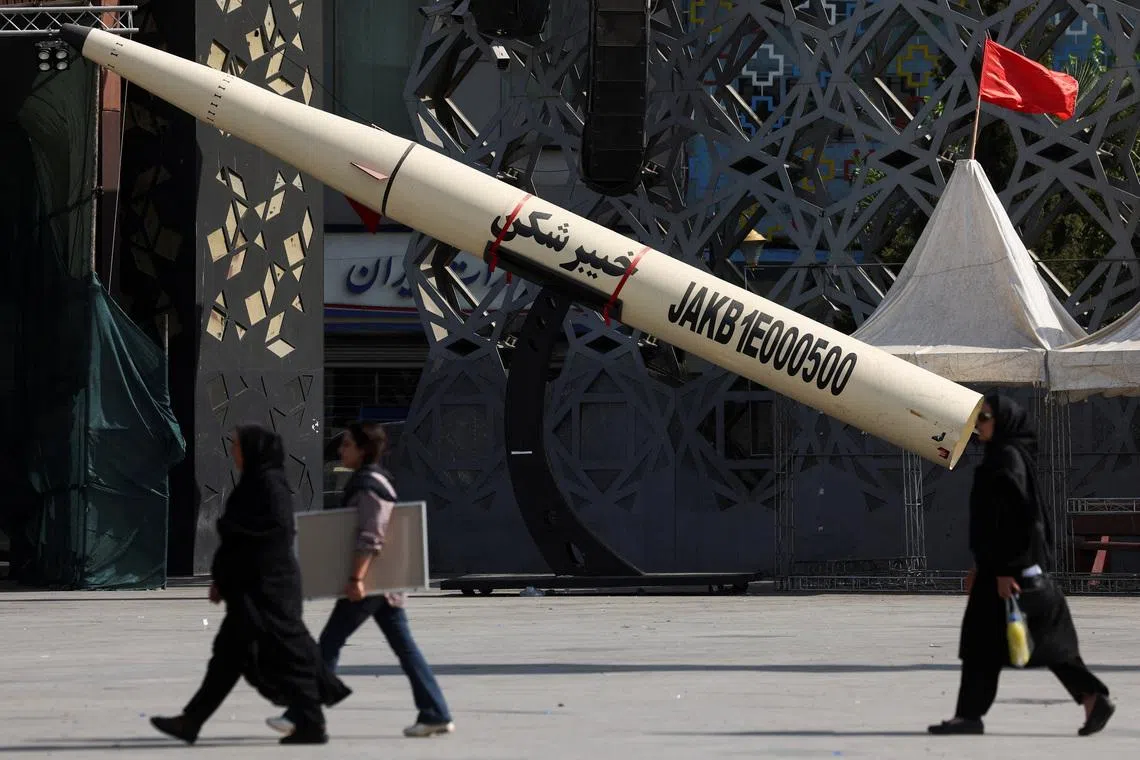
- Iran's Revolutionary Guard fired ballistic missiles at the Muwaffaq Salti Air Base and CENTCOM headquarters in Jordan; Jordan's military said all five missiles were intercepted with no immediate reports of casualties or damage
- US and Saudi fighter jets struck multiple logistics and weapons sites in eastern Iraq overnight, killing at least 20 Popular Mobilization Forces (PMF) fighters and wounding 32 others, in retaliation for alleged drone attacks on Saudi oil facilities
- Brent crude jumped 3.1% to $84.58 a barrel as the multi-front flare-up revived fears of an all-out war, after mediators had expressed optimism about pulling the US and Iran back to the negotiating table
- Houthis struck Saudi Aramco's Abqaiq oil processing facility (capable of handling ~7 million barrels per day) and a Jazan refinery that produces 400,000 barrels per day and is not expected to restart until Aug. 15
- Iran rejected an Omani proposal to jointly manage Strait of Hormuz shipping, with deputy foreign minister Kazem Gharibabadi saying the strait should "never return to its prewar situation"
- Iraqi President Nizar Amidi condemned the US-Saudi strikes as "an unacceptable attack and a blatant violation of Iraq's sovereignty"; an al-Zaidi visit to Saudi Arabia scheduled for Thursday was postponed indefinitely
Why it matters: The strikes killed at least 20 militia fighters and pushed Brent crude up 3.1% to $84.58 a barrel, while Iran declared the Strait of Hormuz should "never return to its prewar situation" — meaning both major Middle East shipping chokepoints (Hormuz and Bab el-Mandeb) remain weaponized, and an interim diplomatic agreement has already collapsed over renewed fighting.