Korea, China Agree First Flight Rights Expansion in 7 Years
Get the Geopolitics newsletter
Daily geopolitics — wars, elections, sanctions, the diplomatic moves that move markets. Free.
- South Korea and China agreed to expand weekly flight rights for the first time in seven years, raising passenger rights by 56 flights to 664 (from 608) and cargo rights by 14 flights to 68 (from 54).
- The agreement was reached at bilateral aviation talks in Seoul held May 27–28 and described by Seoul's transport ministry as another sign of warming ties between the two countries.
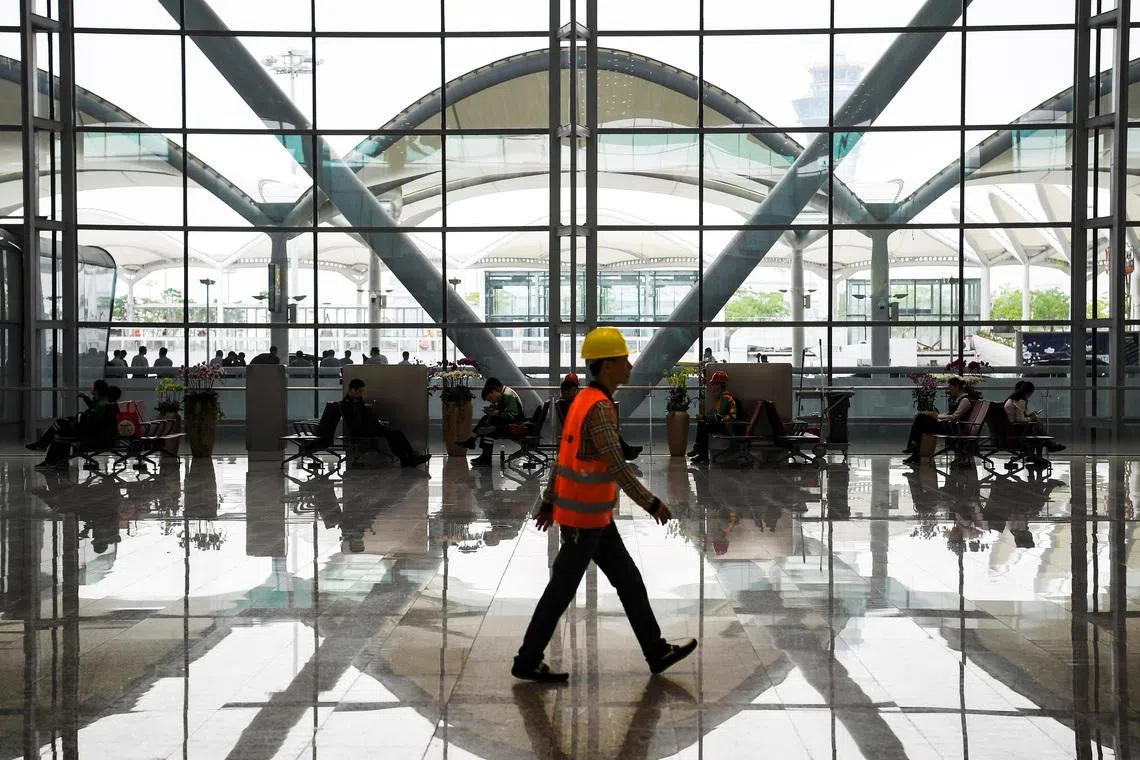
- The deal will ease congestion on fully used high-demand routes such as Incheon–Shanghai and Incheon–Guangzhou, where existing rights had been maxed out by both sides.
- South Korea's regional airports, including Busan and Cheongju, will gain routes to 10 Chinese cities such as Guangzhou, Chengdu, Shenzhen, Chongqing, and Xi'an.
- First-quarter passenger traffic between the two countries reached approximately 4.39 million, exceeding the pre-pandemic level of 4.14 million, according to the ministry.
- Lee So-young, the ministry's aviation policy chief, said the agreement would promote Chinese tourism to South Korea, improve travel convenience, and help Korean airlines expand in the Chinese market.
- The Ministry of Land, Infrastructure and Transport said it plans to allocate the newly secured rights to South Korean airlines in the second half of 2026.
Why it matters: Korean airlines gain 70 additional weekly slots — 56 passenger and 14 cargo — in a market where Q1 traffic already ran roughly 250,000 passengers above pre-pandemic levels (4.39M vs. 4.14M). But the ministry won't allocate the new rights to carriers until the second half of 2026, meaning airlines and airports like Busan and Cheongju must wait months to serve demand that is already running hot.
Ask SkimNews