Russia's slow defeat and Australia's mobilisation gap
Get the Geopolitics newsletter
Daily geopolitics — wars, elections, sanctions, the diplomatic moves that move markets. Free.
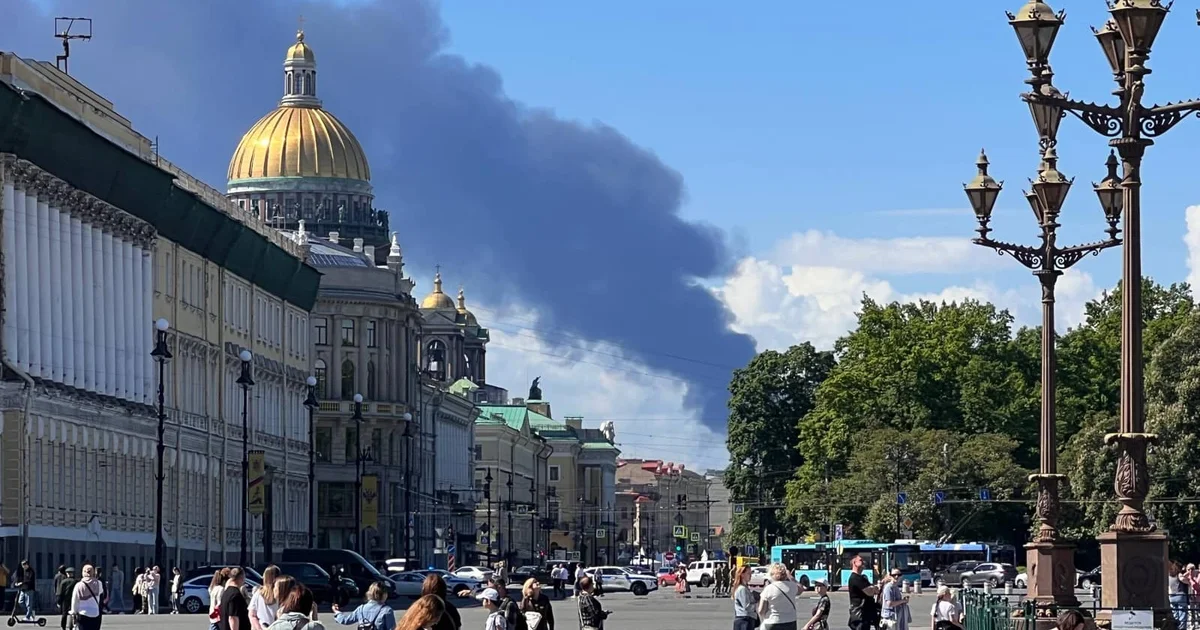
- Ukrainian drones struck St Petersburg on 3 June 2026, halting airport flights and sending black smoke over Putin's home city on the opening day of his flagship International Economic Forum.
- Russia is losing more soldiers than it can recruit — 160,000 killed or seriously wounded since January 2026, with a single-month record of 35,000 in March, per the Ukrainian General Staff.
- Russia's casualty-to-gain ratio has soared from roughly 200 per square mile in 2025 to over 9,600 per square mile in the first five months of 2026, with ground capture in the past three months shifting in Ukraine's favour.
- Ukraine's defence industry, backed by European money, now meets more than half its needs and can build millions of drones a year, while Russia's defence output hits its ceiling and wartime growth has slumped toward 1%.
- Ukraine has registered more than 210,000 criminal proceedings from the invasion, and an ICC warrant for Putin stems from the documented deportation of close to 20,000 Ukrainian children.
- Pro-European governments have held or won power in Moldova, Hungary, and Armenia despite Russian interference, while Gulf states once seen as leaning Moscow's way now sign defence deals with Kyiv.
- Australia has kept defence spending low, hollowed out its defence industries, holds shallow stockpiles, and studiously avoided the topic of national mobilisation in its 2026 National Defence Strategy — leaving it built for neither a sprint nor a marathon.
Why it matters: Russia's experience shows that long wars are decided by industrial capacity, institutional adaptability, and societal mobilisation — and Australia's 2026 National Defence Strategy explicitly avoided the mobilisation question while keeping spending low and stockpiles shallow, widening the gap between the threats it faces and the posture it has built.
Ask SkimNews


